Newsletter
Join the Community
Subscribe to our newsletter for the latest news and updates

A Jekyll-powered photography portfolio template featuring Lightgallery lightbox image galleries.

Free Bootstrap 4 HTML5 template for photography studios and portfolios, featuring a hero header, portfolio grid, and testimonial carousel.
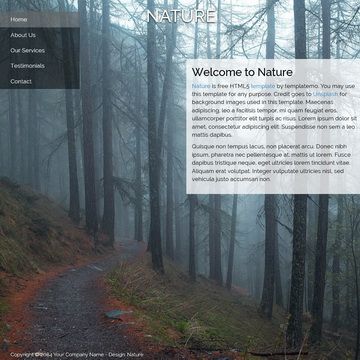
Nature is a free HTML5 website template with fade in-out full background images while the content box flows in from the right side.

Clickr is a free Bootstrap 5 HTML5 template for building product-photography agency websites with a hero header, product slider, pricing table, and gallery.
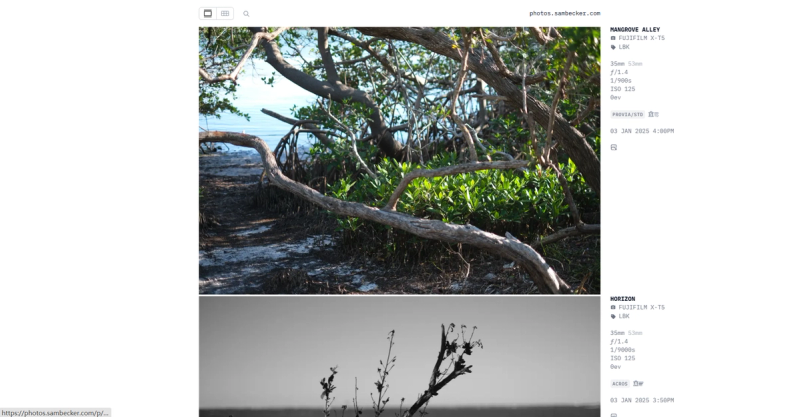
Photo blog, reporting 🤓 EXIF camera details (aperture, shutter speed, ISO) for each image.
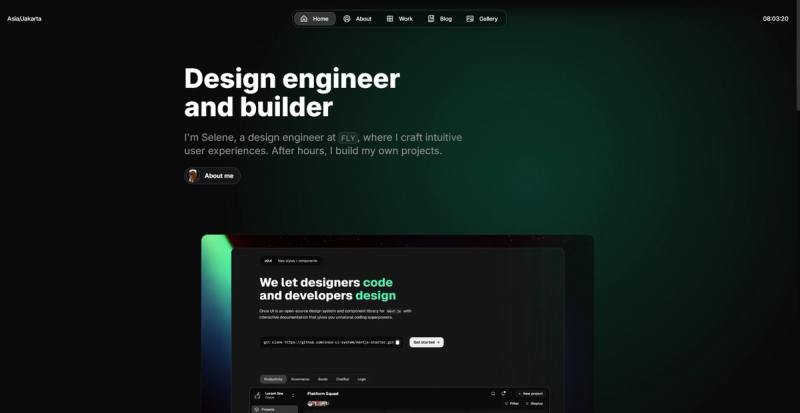
⚡ Build your timeless portfolio with Once UI's Magic Portfolio.
El_photo is a Jekyll-powered photography website template that turns a folder of images into a static portfolio site with a lightbox gallery.
El_photo is a Jekyll template and theme created by GitHub user saumil-sh. It takes image collections and site content written as Markdown and data files, then generates a static HTML website with a lightbox gallery built on Lightgallery. The template is written primarily in HTML and runs on any Jekyll-compatible host; the live preview is hosted on GitHub Pages at saumil-sh.github.io/el_photo, and the repository has 21 stars.
The template is free — the source code is publicly available in the GitHub repository, so there is no license fee or paid tier mentioned.
Yes, the code is publicly accessible in the saumil-sh/el_photo GitHub repository. You can clone, modify, and use it for personal or commercial projects without paying a fee.
El_photo integrates Lightgallery, a JavaScript library that provides a responsive lightbox with swipe, zoom, and fullscreen controls for browsing image galleries.
Yes, the demo site is hosted at saumil-sh.github.io/el_photo, which is a GitHub Pages URL. Because the template is built with Jekyll, it is compatible with GitHub Pages' automatic Jekyll build process.
No, it is a static site generated by Jekyll, so it has no backend database or server-side processing. All content is stored as files and rendered to HTML at build time.