Newsletter
Join the Community
Subscribe to our newsletter for the latest news and updates

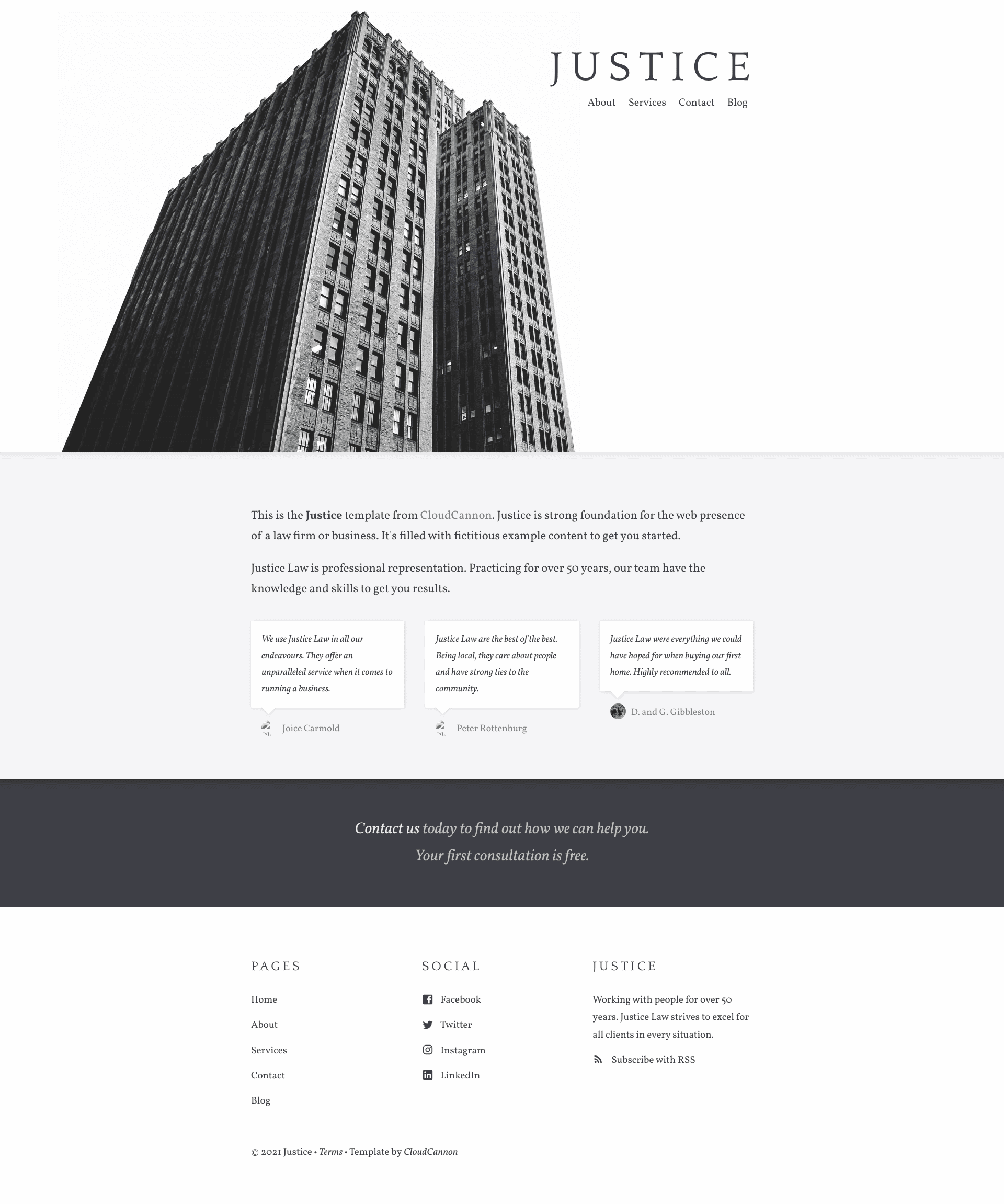
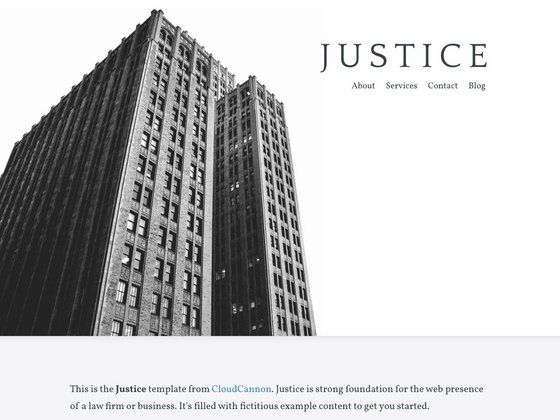
Law firm themed Jekyll template with blog, contact form, staff system, and SEO features.
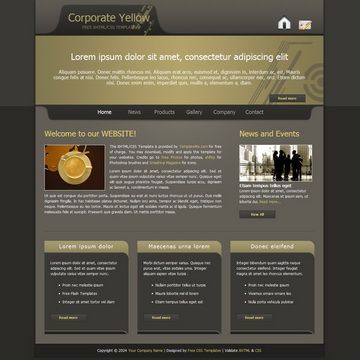
Corporate Yellow is a 2-column free XHTML CSS website layout, simple and elegant style

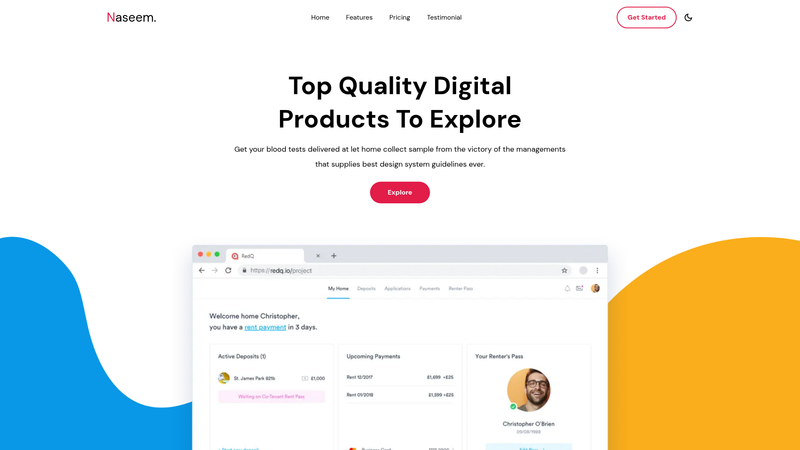
Free Bootstrap 5 single-page template for corporate and business websites with Pug, SCSS, and Gulp workflow.
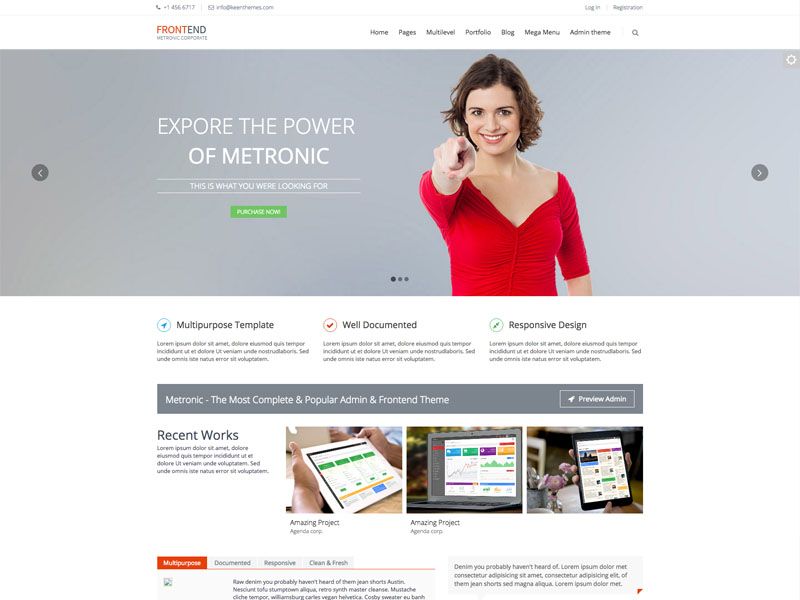
Free multipurpose Bootstrap 3 corporate business template with 6 built-in pages, mega menu, portfolio, blog, and pricing sections.
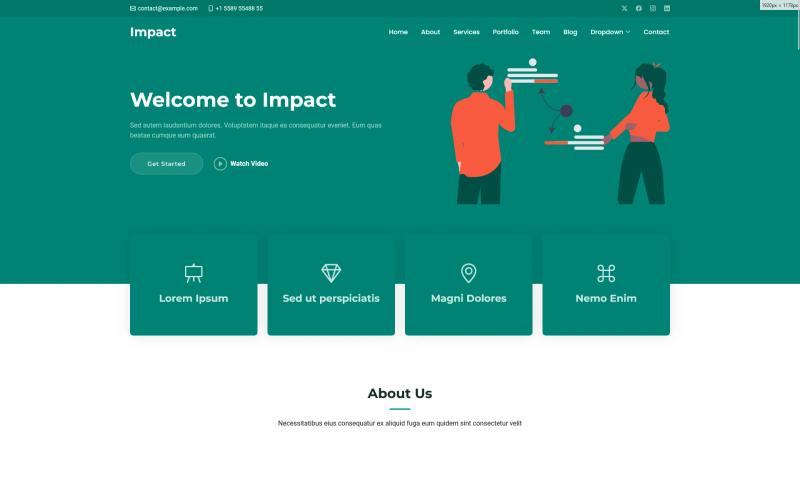
Free multipage Bootstrap 5 business template with hero video, pricing, blog, FAQ, and contact UI.
Justice is a law firm themed business template for Jekyll, built by CloudCannon, that generates a complete marketing site with blog, staff, and contact form features.
Justice is a Jekyll template designed for law firms and professional service businesses. It takes content stored in Jekyll collections and data files and produces a static website with pre-built pages, a blog, staff profiles, and a contact form. The template was created and is maintained by CloudCannon, the cloud CMS for Jekyll, and is available as an open-source GitHub repository.
_config.yml._config.yml.The template runs on Jekyll version 3.3.1 and newer. Installation uses Bundler: run bundle install to fetch dependencies and bundle exec jekyll serve to run a local development server. For editing, the project is optimized for CloudCannon: posts live in the Posts collection, staff in the Staff collection, and global settings in _config.yml. New post defaults are defined in _posts/_defaults.md.
The template is open-source and available on GitHub; you can download or fork it without payment. Deployment costs depend on your hosting provider — CloudCannon offers a free tier, or you can host the generated static files anywhere.
No. Justice is a standard Jekyll template, so it works with any static hosting service or with Jekyll locally. CloudCannon is optional and simply provides an editing interface and the contact form backend.
The contact form is preconfigured to use CloudCannon's form handling. To use another provider, such as FormSpree, modify the form action URL in the template. The email address that receives submissions is pulled from the company details data file.
Yes. Add new pages to the Pages directory or create collections as needed. The template includes pre-built pages you can customize, and CloudCannon's editor allows adding and updating pages and collections visually.