Newsletter
Join the Community
Subscribe to our newsletter for the latest news and updates

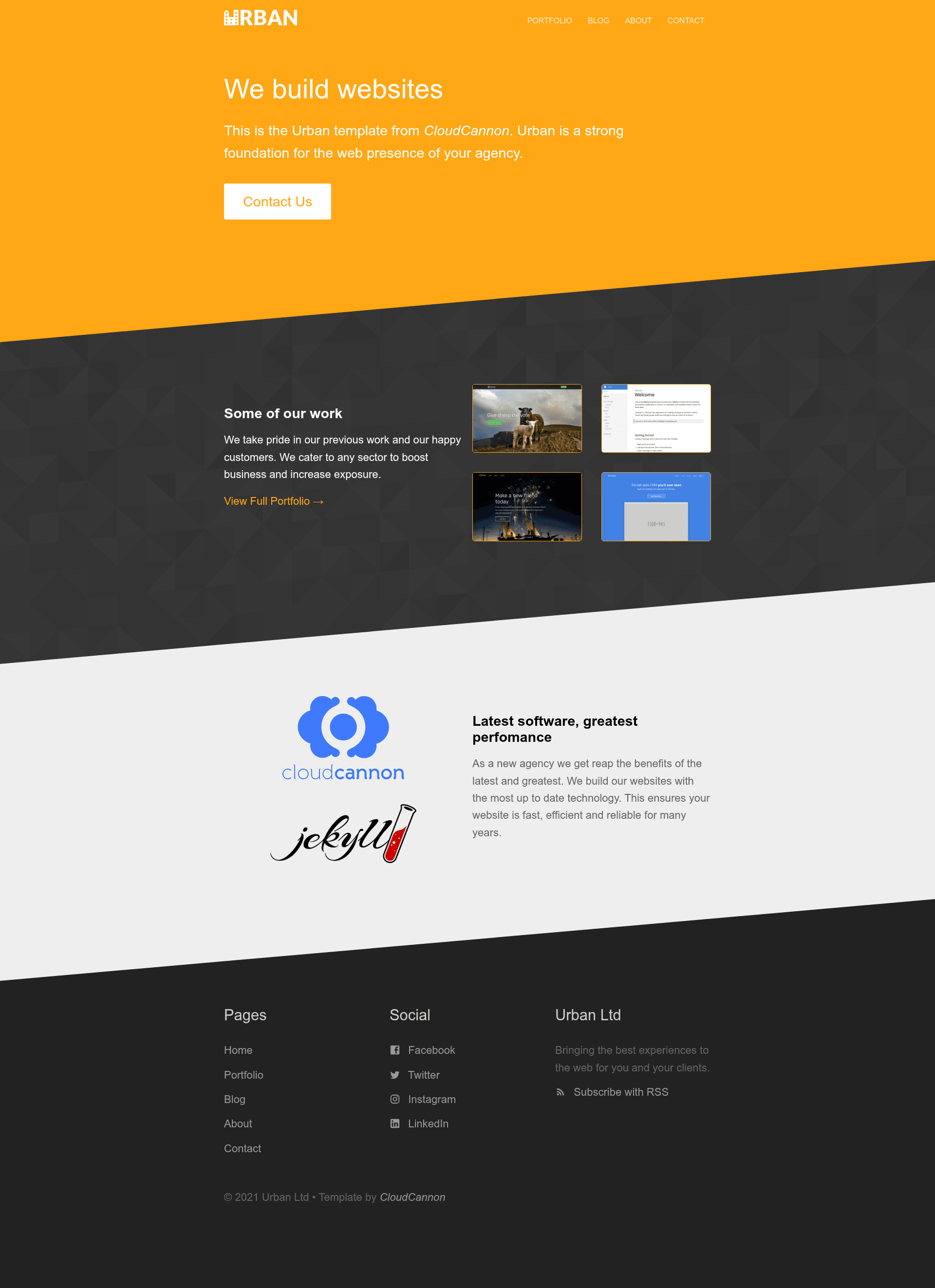
A legacy Jekyll template from CloudCannon for web agencies, with blog, staff, contact form, and CMS editing.
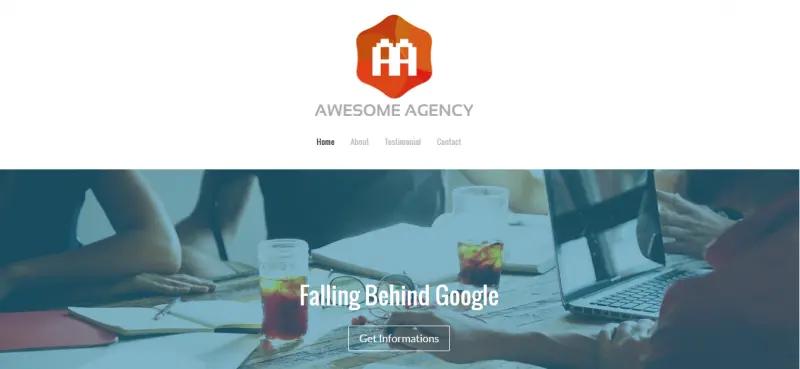
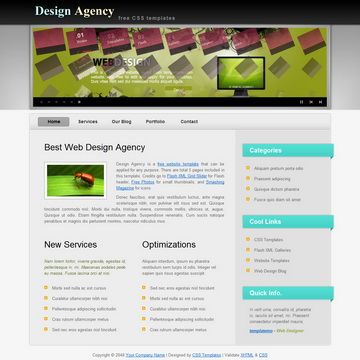
Free multipage HTML5 agency website template built with Bootstrap 3, jQuery, and FontAwesome, suitable for small creative and web design agencies.

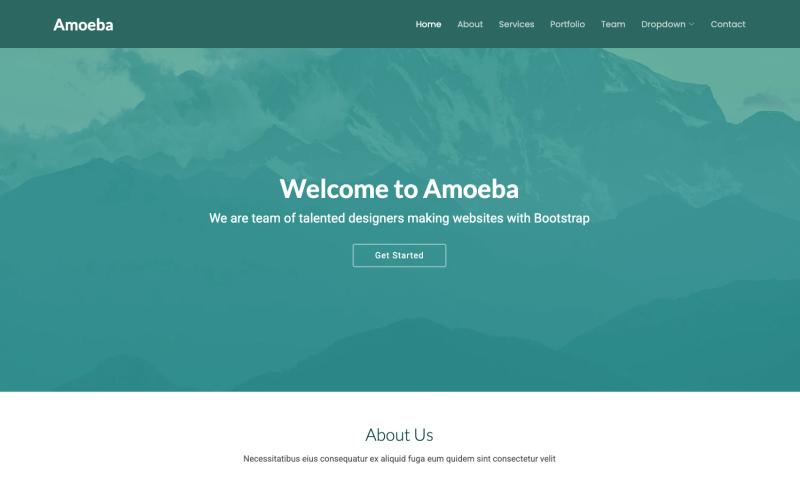
Free Bootstrap 4 HTML5 single-page agency website template for blockchain businesses, with hero header, animations, counters, blog, and responsive layout.

Free Bootstrap 4 HTML5 multipage template for architecture agencies with hero header, sticky nav, image slider, and PHP contact form.

Free Bootstrap 4 one-page agency website template with parallax effects, typing text hero, and working PHP contact form.
Urban is a legacy, no-longer-maintained Jekyll template from CloudCannon built for web agencies, delivering a complete business site with a blog, staff directory, contact form, and CloudCannon CMS editing optimizations.
Urban is a web agency themed business template for Jekyll, created by CloudCannon and published on GitHub as CloudCannon/urban-jekyll-template. The template takes site-wide settings from a _config.yml file, content from Jekyll collections for posts, staff, and documentation, and generates a static site with pre-built pages, a paginated blog, and a contact form. A live demo is available at teal-worm.cloudvent.net, and the template is marked as legacy (no longer maintained).
_config.yml._config.yml.To get started, clone the template, add your site and author details in _config.yml, and set your Google Analytics and Disqus keys. Then run the site locally with bundle install and bundle exec jekyll serve, or connect the repository to CloudCannon. Content is managed through Jekyll collections: posts live in _posts with a _defaults.md file for new-post defaults, documentation pages in _docs get URLs based on their file path, and staff and company details are stored as data or collections.
No. The project page explicitly labels Urban as a legacy template no longer maintained, so you should expect no further updates.
Urban was built with Jekyll version 3.3.1 but the documentation says it should support newer versions as well. You can run it locally using Bundler.
Yes, the contact form is preconfigured for CloudCannon but can be changed to another provider, such as FormSpree.
Footer content is exposed as a data file. In CloudCannon, set it in the Data / Footer section.
Add excluded_in_search: true to the documentation page's front matter to exclude it from search results.