Newsletter
Join the Community
Subscribe to our newsletter for the latest news and updates

A simple Eleventy starter kit with Gulp integration, Sass styling, asset hashing, image optimization, and HTML minification.
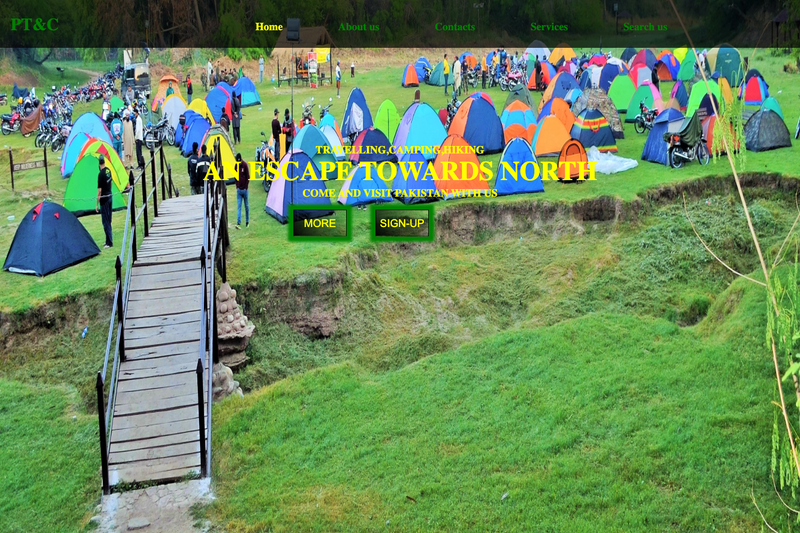
In this project the concept of basic landing page of any random website is developed using simple HTML and CSS.
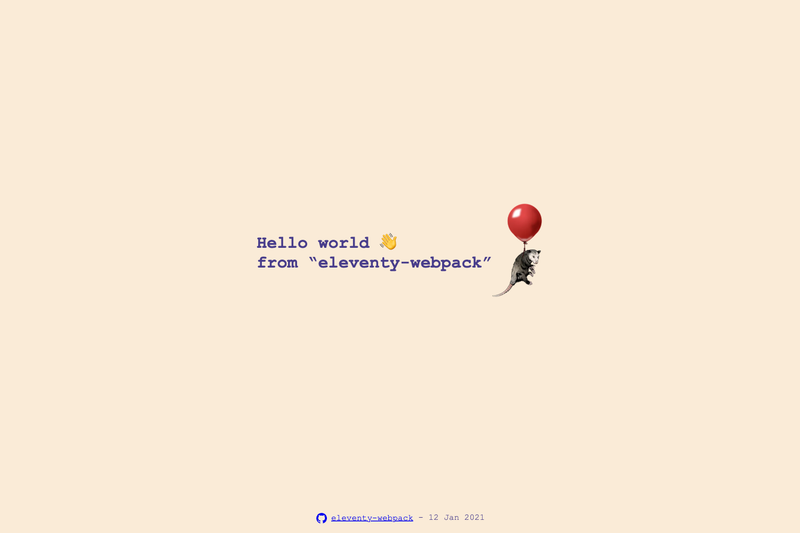
A barebone Eleventy and Webpack boilerplate 🎈

A Turborepo monorepo with a Hono backend and Next.js frontend, deployable to Vercel.
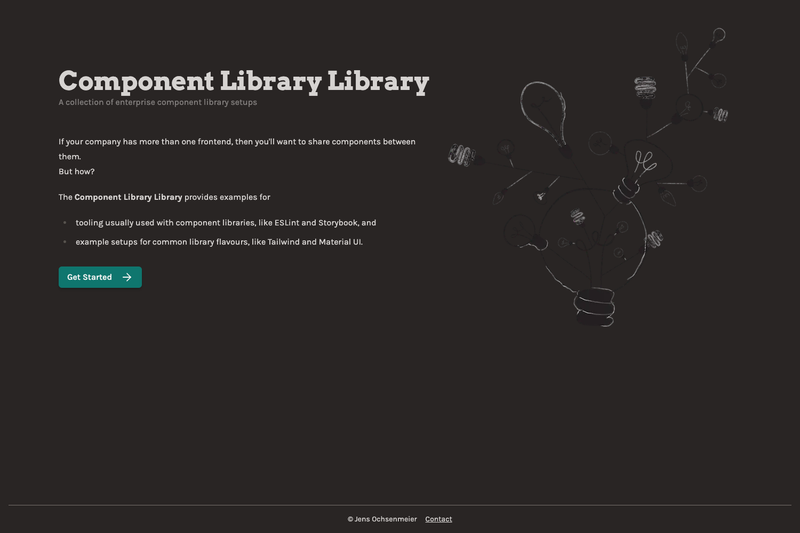
A tutorial repo with 7 setups for building shareable React component libraries, from bare to Tailwind and MUI.
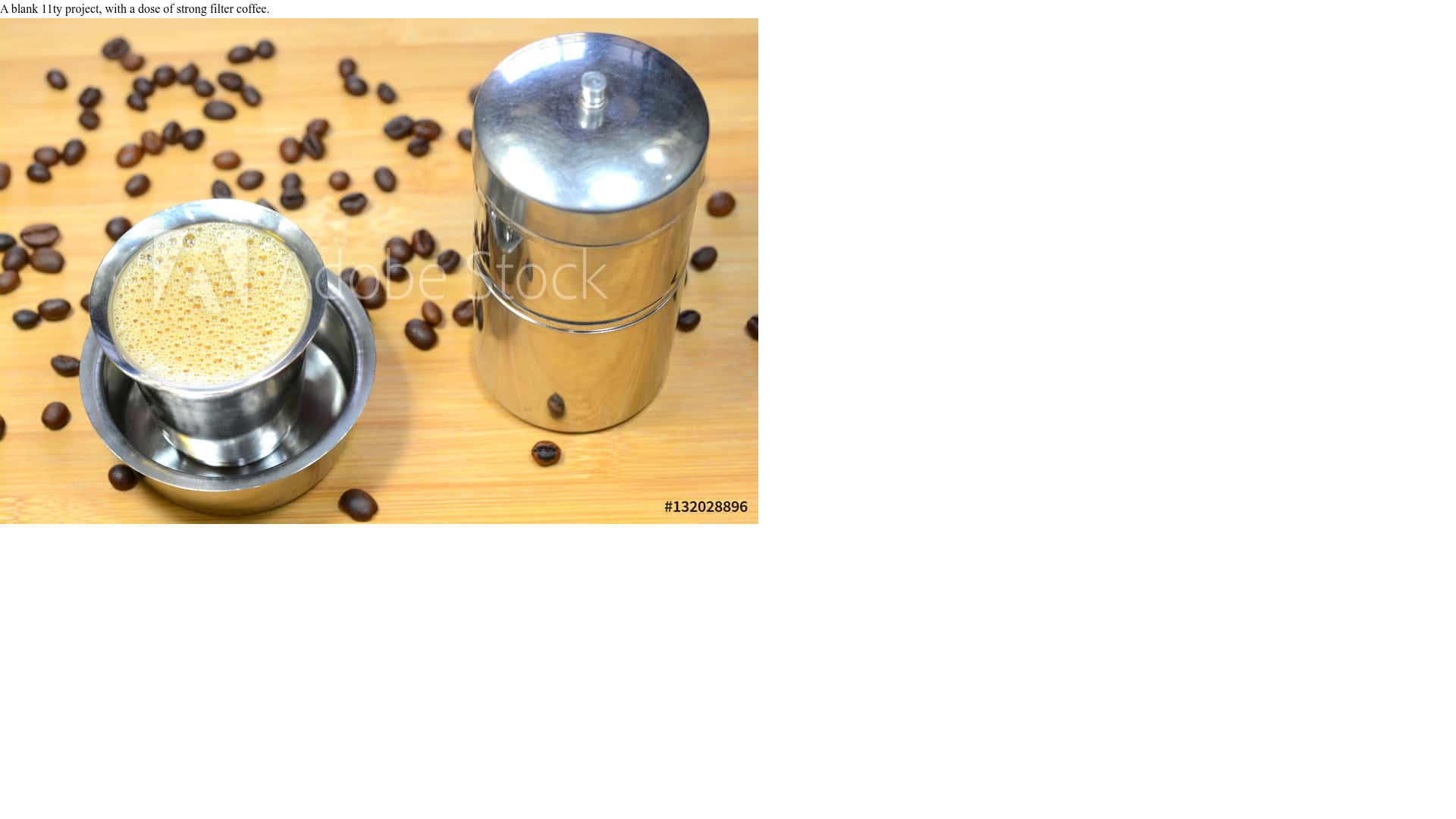
Eleventy Filter Coffee Starter is a minimal Eleventy (11ty) boilerplate for building static websites, bundling Gulp, Sass, asset hashing, image optimization, and critical CSS into a single starting point. It is a small, opinionated starter kit that aims to simplify the setup of new Eleventy projects by automating common build tasks. The template is maintained by Yeshwanthyk and draws heavily from the lessons in Andy Bell's "Learn Eleventy From Scratch" course and Max Boch's Eleventastic starter.
The Eleventy Filter Coffee Starter is a project template for the Eleventy static site generator. It takes Markdown content and Nunjucks templates as input and produces a fully optimized static HTML site as output. The template runs on your local machine via Node.js, requiring an npm install followed by npm start for a development server with live reloading, or npm run production for a production build. It is open source and hosted on GitHub at the Yeshwanthyk repository.
imagemin to compress images during the build, reducing page weight.src/scss folder; page-level styles can be injected using a setPageCriticalStyles variable.The starter is aimed at developers who want a fast, configured Eleventy project without spending time wiring up Gulp and Sass. It suits front-end developers who are comfortable with npm and prefer a build step for styling. It is also valuable for those following Andy Bell's "Learn Eleventy From Scratch" course, as the structure closely mirrors that curriculum. Finally, anyone creating lightweight, content-driven sites like blogs or small marketing pages can use it as a foundation.
After cloning the repository, run npm install to install dependencies. Use npm start to launch a development server with live reloading, or npm run production to generate a minified production build. To customize styles, add Sass files to the src/scss directory; to inject page-specific critical CSS, add a setPageCriticalStyles line at the top of a template. The Gulp pipeline processes fonts, Sass, asset hashing, image compression, and HTML minification automatically.