Newsletter
Join the Community
Subscribe to our newsletter for the latest news and updates

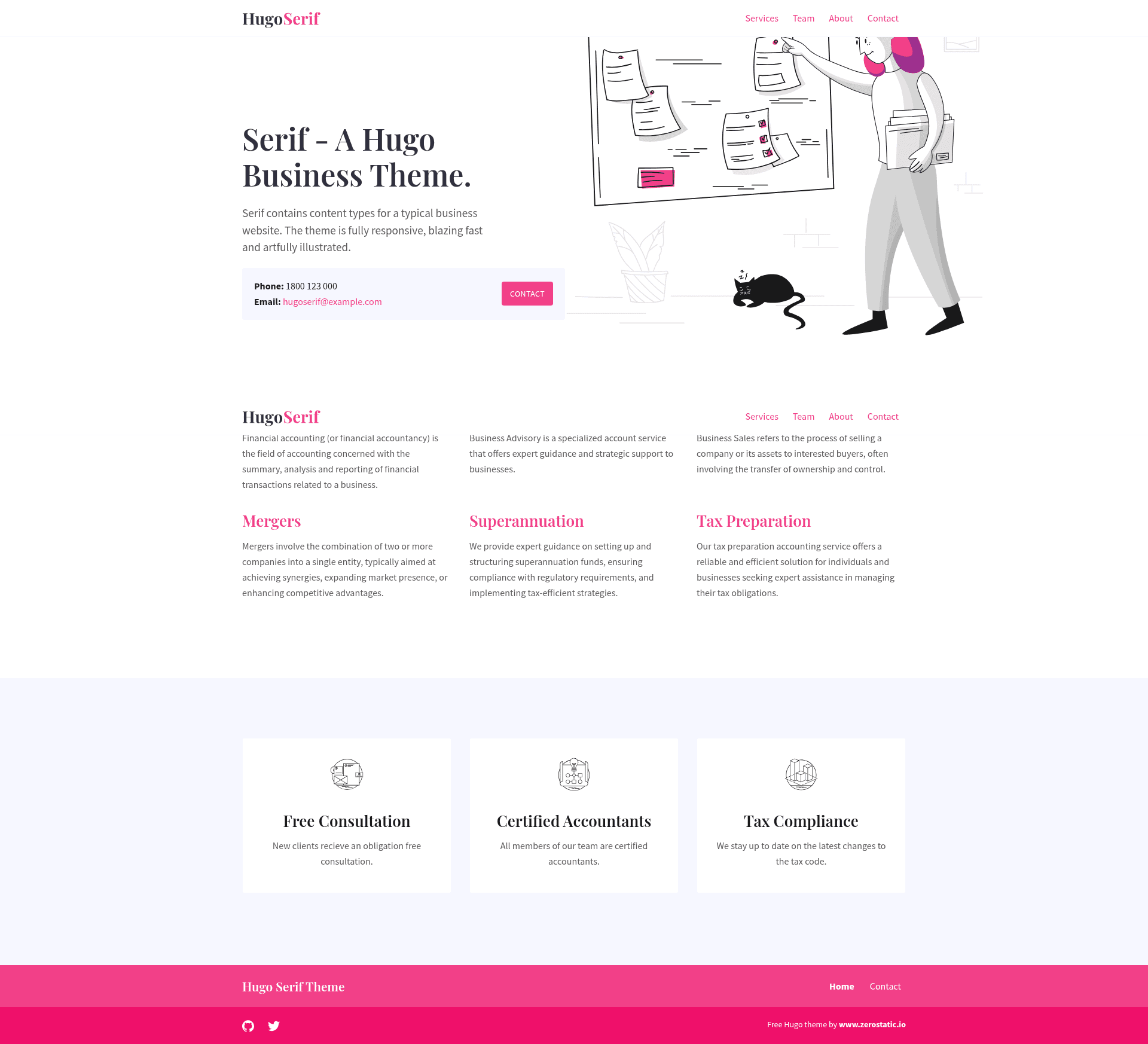
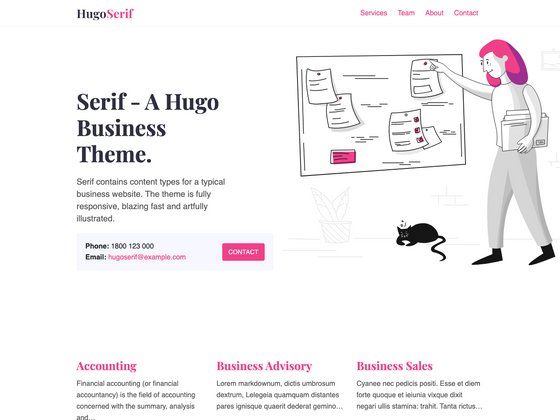
Serif is a modern business theme for Hugo with services, team, and features content types, configurable SCSS, and 100/100 Lighthouse scores.

Free Bootstrap 4 HTML5 multipage business website template with hero slider, testimonials, blog, and contact sections from Colorlib.
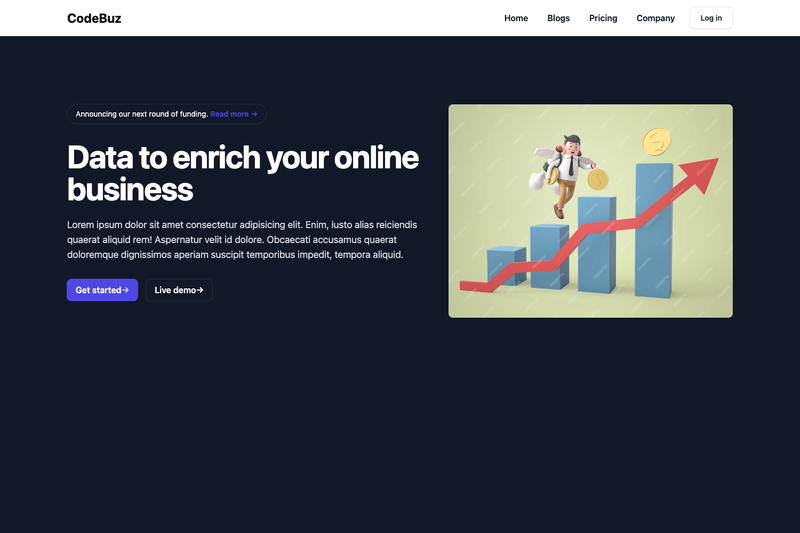
Beginner-friendly business landing page template built with Next.js and Tailwind CSS.
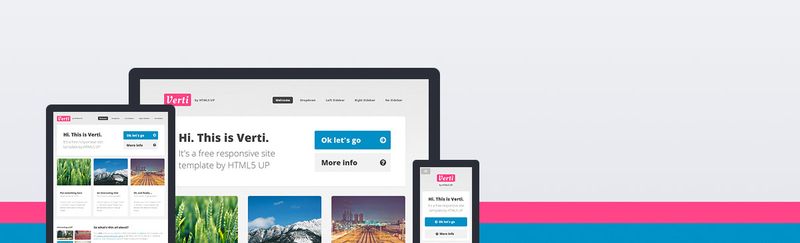
Free responsive HTML5 site template by HTML5 UP with a hero, feature columns, and sidebar.
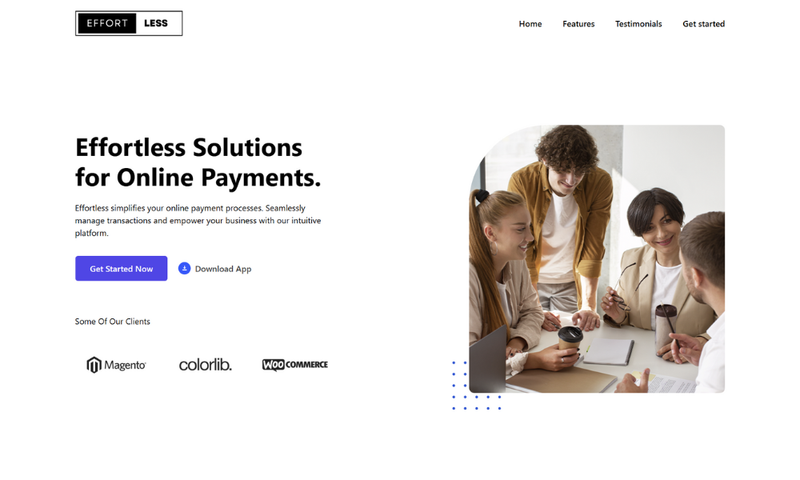
Effortless is a template built with Tailwind CSS, perfect for creating business websites
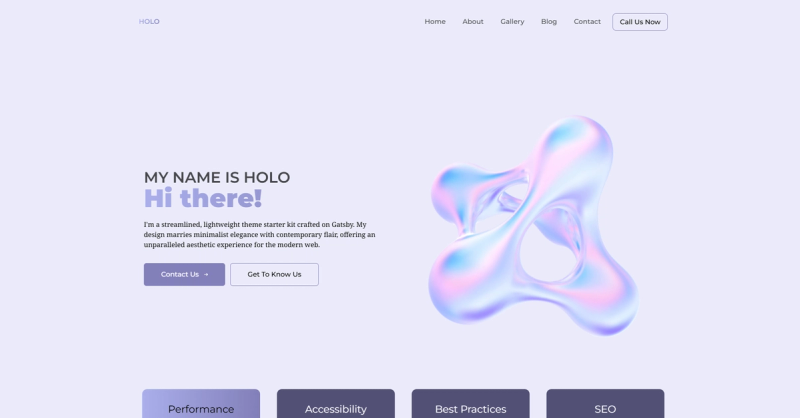
The Holo template is designed to kickstart your project with elegance and efficiency, providing a seamless workflow from development to deployment.
Hugo Serif is a modern business theme for the Hugo static site generator, built by Zerostatic Themes to deliver corporate and service-oriented websites from Markdown content and data files with a perfect 100/100 Google Lighthouse performance score.
Hugo Serif is a business theme that takes Markdown content for Services and Team, plus JSON/YAML data for Features, and renders a responsive static website with homepage, services, team, and contact pages. It runs on Hugo and requires Hugo Extended because it uses Hugo Pipes to compile SCSS into minified CSS. The theme is maintained by Zerostatic Themes and includes example content plus royalty-free illustrations by Icons8 in the Pixeltrue style. The available content types are Services (Markdown), Team (Markdown), and Features (data), along with a custom contact page layout.
hugo server --source=exampleSite --theme=../.. to develop or preview theme changes at localhost:1313.Installation follows five steps: install Hugo Extended, create a new Hugo site with hugo new site mynewsite, clone this theme into themes/hugo-serif-theme, copy the contents of the exampleSite folder to the site root, then run hugo for production or hugo server for local development. The theme then compiles the SCSS and Markdown into a static site accessible at localhost:1313.
The theme is free to download and use. The license section states that you cannot re-distribute or re-sell it as your own template. No paid tier or pricing is listed on the page.
Yes. The theme uses Hugo Pipes to compile SCSS and minify assets, so it only works with the Hugo Extended version. Run hugo version and check for /extended in the output, for example Hugo Static Site Generator v0.51/extended darwin/amd64.
Yes, the theme is free to download. Its license restricts you from redistributing or reselling it as your own template, and you should not create ports without the author's permission.
Edit the params.colors and params.fonts sections in config.toml. The values are passed into style.scss as SCSS variables, and the Google Fonts link is updated from the google_fonts URL in the fonts setting.
Yes, the repository includes a netlify.toml configured to build from the exampleSite folder. You can also set your Google Analytics ID through the HUGO_GOOGLE_ANALYTICS_ID environment variable, which Netlify supports.
After installing the theme and copying the exampleSite contents to your site root, run hugo server from that root folder and open localhost:1313 in your browser. For theme development, you can run hugo server --source=exampleSite --theme=../.. from the theme directory.