Newsletter
Join the Community
Subscribe to our newsletter for the latest news and updates

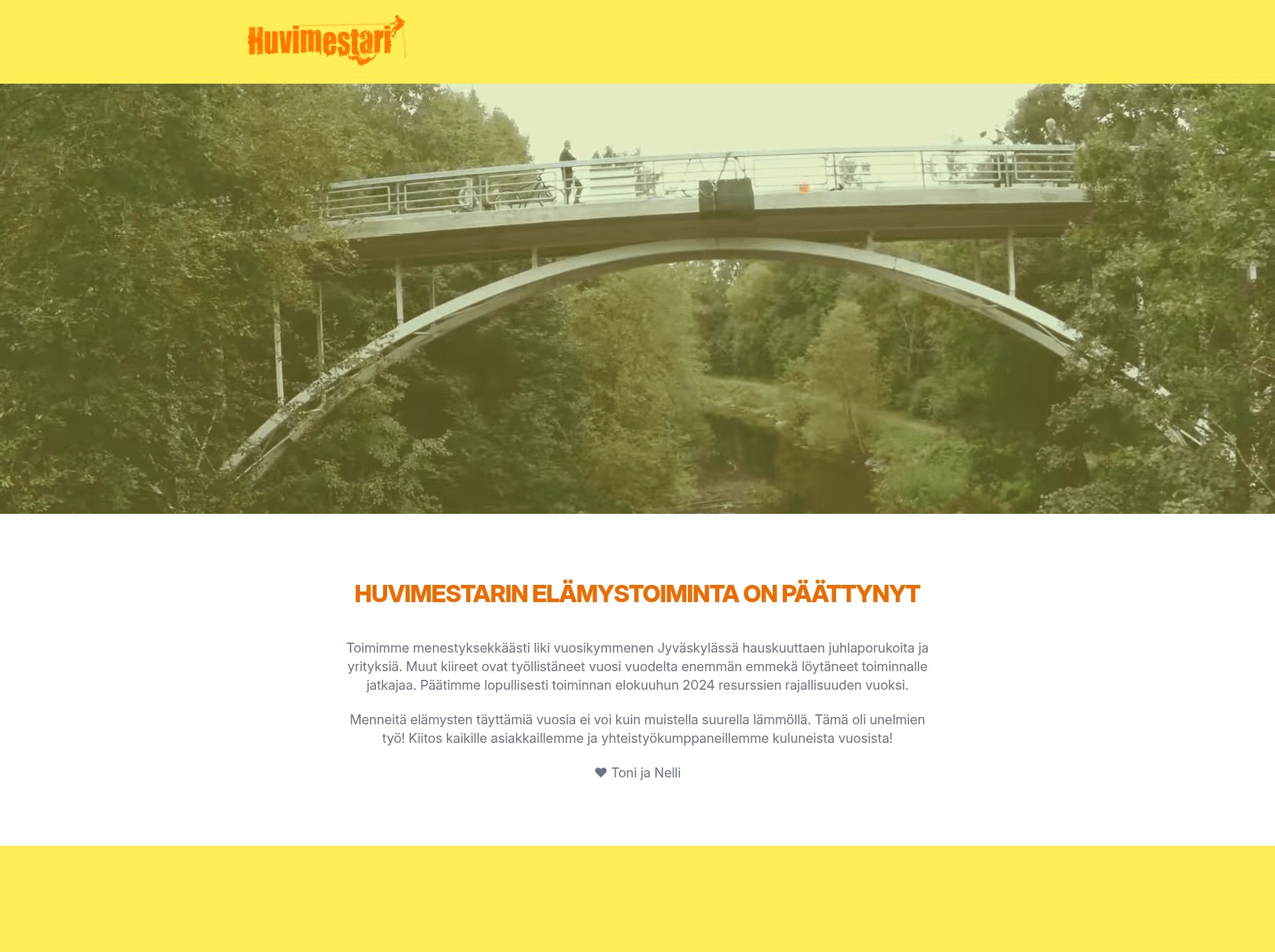
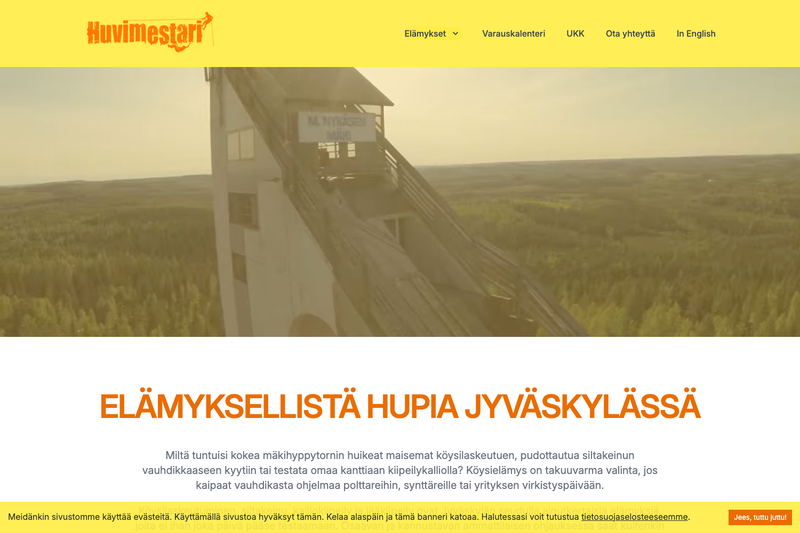
The website of Huvimestari built with Next.js, featuring a Google Calendar booking system, Gmail API emails, and Cloud Run deployment.

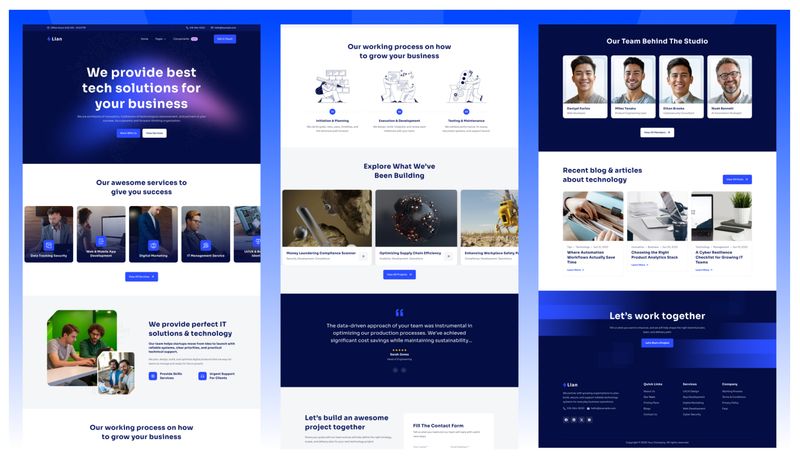
A block-based Hugo theme for consulting and service businesses with multilingual support and Tailwind CSS.

Free Bootstrap 4 multipage logistics website template with hero carousels, testimonial carousels, and contact/newsletter forms.
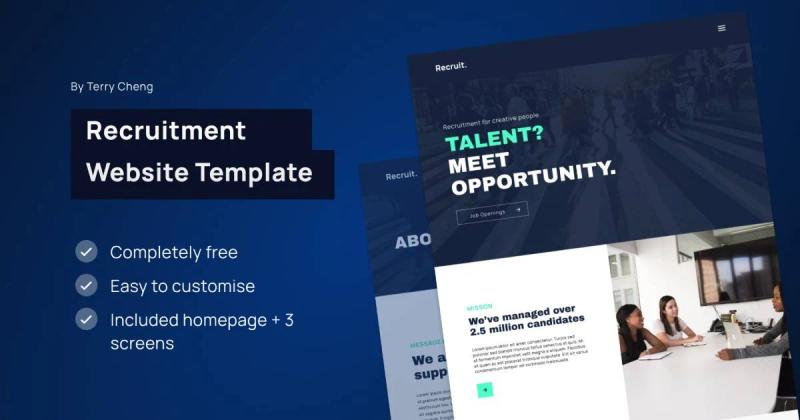
A modern, responsive website template for recruitment agencies and talent acquisition teams, built with Astro and Tailwind CSS.
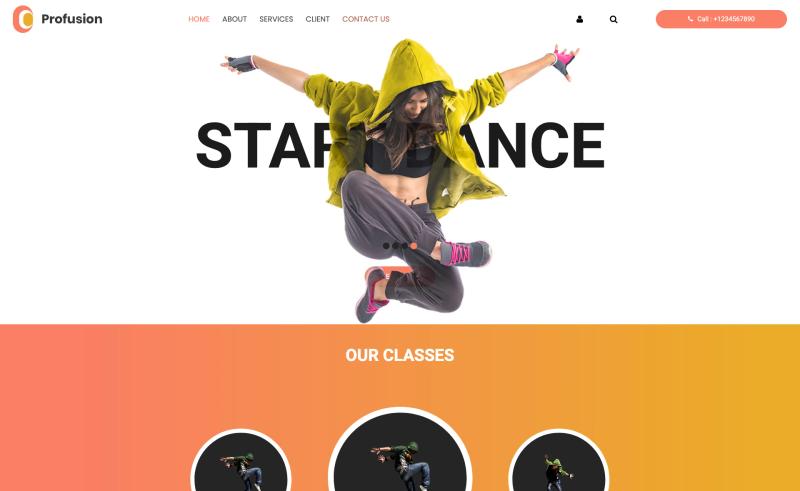
Free responsive Bootstrap 4 tutorial website template for dance classes, musicians, and online learning platforms.
Huvimestari is a production-ready Next.js website for an event business, combining a custom booking calendar powered by the Google Calendar API with automated email notifications via the Gmail API. Built with TypeScript and styled with Tailwind CSS, the site is deployed on Google Cloud Run and currently ranks first for bachelor party activities in Jyväskylä.
Huvimestari is a full website implementation for Huvimestari, a Finnish event company, built with the Next.js framework. It takes booking data from visitors on the public site, creates calendar events through the Google Calendar API, and sends confirmation emails through the Gmail API. The project includes the entire stack: Next.js pages, React components, Tailwind CSS styling, and containerized deployment scripts for Google Cloud Run.
gcloud builds submit and gcloud run deploy.A visitor chooses an available time slot on the booking calendar, which triggers the creation of a Google Calendar event via the Google Calendar API. The Gmail API then sends a confirmation email to the customer. For developers, the README explains enabling Cloud Build and Cloud Run, authenticating with gcloud auth login, building an image with gcloud builds submit, and deploying with gcloud run deploy.
Huvimestari uses the Google Calendar API for booking events and the Gmail API for sending transactional emails. Both are called directly from the Next.js server, and the project requires these APIs to be enabled in the Google Cloud project.
First enable Cloud Build and Cloud Run in the Google Cloud project. Then authenticate with gcloud auth login, build the image using gcloud builds submit --tag gcr.io/YOUR-PROJECT/YOUR-IMAGE, and deploy with gcloud run deploy --image gcr.io/YOUR-PROJECT/YOUR-IMAGE --platform managed. After selecting the region, the site is live.
Huvimestari is built with Next.js, a React framework that supports server-side rendering and static site generation. It also uses TypeScript for type safety and Tailwind CSS for styling, with Tailwind UI components for some UI elements.
The site achieves a nearly 100% performance rating on Google Lighthouse, which reflects fast loading times, minimal blocking resources, and optimized images and assets.