Newsletter
Join the Community
Subscribe to our newsletter for the latest news and updates

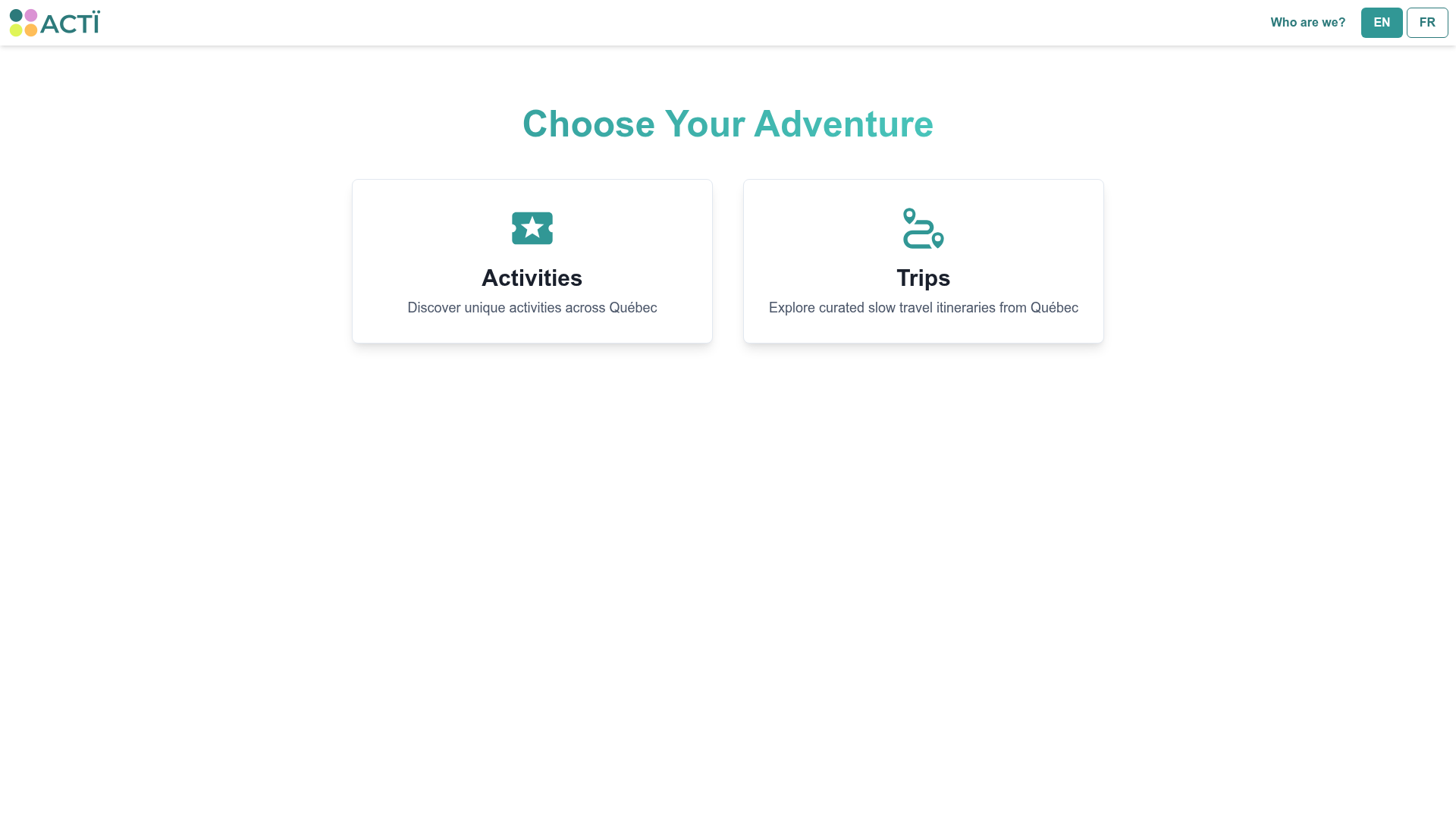
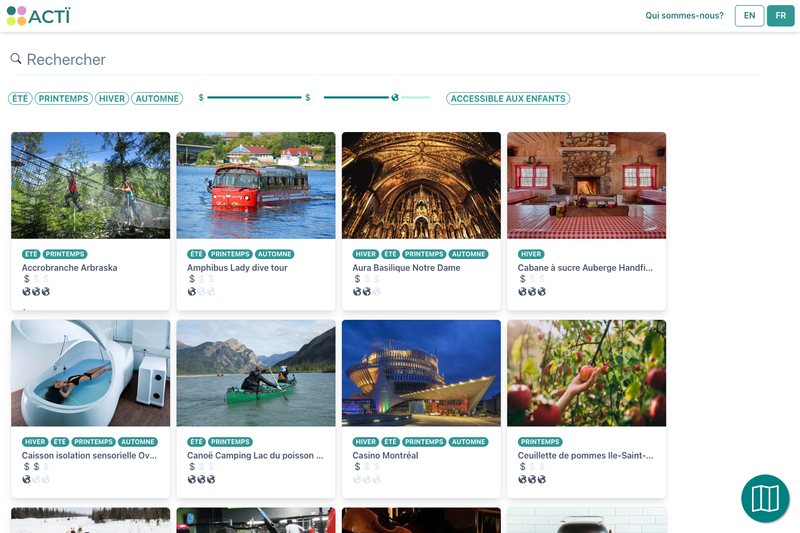
Reusable open source platform made to centralize whatever you want (activities in Quebec in this case)
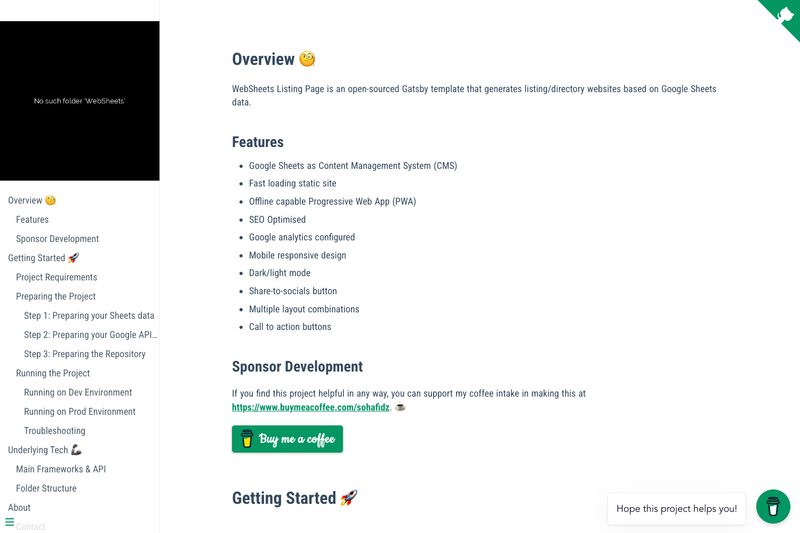
Gatsby template for generating listing/directory websites from Google Sheets data.

Free Bootstrap 4 classified website template with admin dashboard, product listing, and multi-page layout.
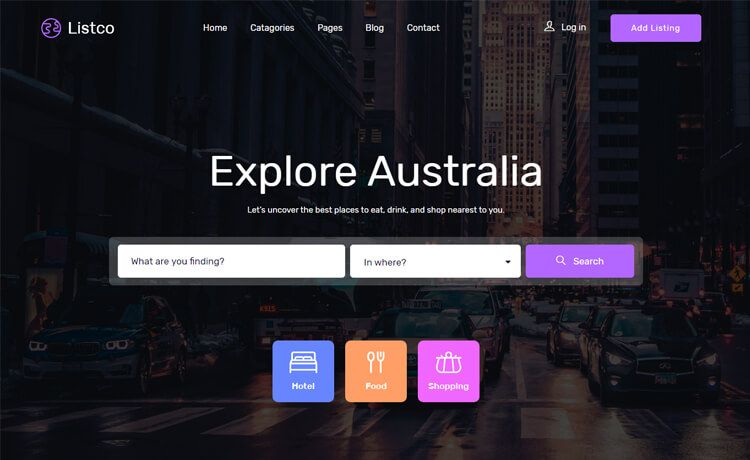
Free Bootstrap 4 HTML5 directory listing website template from Colorlib featuring hero header, sticky nav, search filters, blog, and contact forms.

A curated list of AMP (Accelerated Mobile Pages) repos, examples, starters, tutorials, components, modules, videos, and anything else useful.
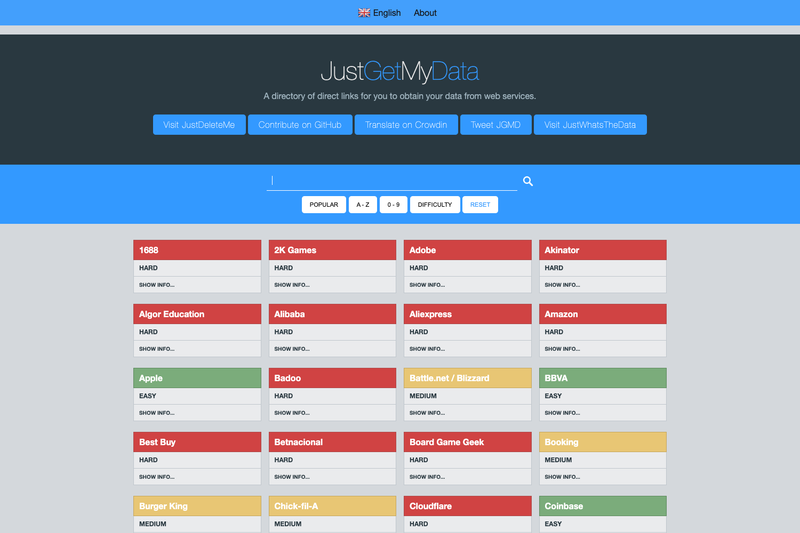
A directory of direct links to get your personal data from web services.
Acti is an open-source directory platform built with Next.js and React that centralizes and presents any kind of listing — its reference deployment catalogs activities across Quebec — using a Supabase-backed PostgreSQL database and serverless API routes on Vercel.
Acti is a reusable web application that turns a structured dataset of places or activities into a browsable, searchable directory. Its input is a Supabase database table with columns for name, description, address, price, carbon footprint, seasons, social media, and more; its output is a public website with a map, filters, and search. The project is developed by AlexisAnzieu and released under the MIT license. The live version is meant to be deployed on Vercel, with a frontend in Next.js and a backend that lives inside the pages/api folder, so the whole app runs as a single serverless deployment.
Developers who want a head start on a directory or listings site can copy Acti and swap the data source: replace the activities in the database with any collection of places, products, or events. Local tourism or community organizations can use the Quebec deployment as a template for promoting regional activities with map, search, and filtering. Freelancers or agencies can use Acti as a boilerplate to deliver similar projects to clients, since the code is MIT-licensed and the backend is decoupled from the frontend.
Installation follows three steps documented in the repo: install Node.js, copy the .env.example file to .env and fill it with Supabase credentials, then run the application. The frontend and backend are decoupled — the backend is implemented as Next.js API routes under pages/api, where the Supabase client is called; you can replace Supabase with any external service. The database schema is intentionally generic (name, description, location, price, etc.) so the same app can be reused for different domains.
Acti itself is free and open source under the MIT license. According to the project's Tiers section, all the SaaS products it depends on — Vercel, Supabase, SonarCloud, Google Analytics, and Sendinblue — are free to use for open-source projects, which keeps the running cost at zero for a typical open-source deployment.
Yes. The repository is released under the MIT license, and the listed dependencies (Vercel, Supabase, SonarCloud, Google Analytics, Sendinblue) are free for open-source projects, as stated in the project's Tiers section.
Acti uses Next.js, React, TypeScript, and Chakra-UI on the frontend; Supabase for the database; Leaflet for mapping; Formik for form validation; i18next for translations; Dayjs for dates; and ESLint for code formatting.
Yes. The backend is a set of Next.js API routes in the pages/api folder that call Supabase, and the README notes you can replace it with any external service.
The project is designed for Vercel. After filling the .env file with your Supabase credentials, you can deploy via Vercel's normal Next.js build process.