Newsletter
Join the Community
Subscribe to our newsletter for the latest news and updates

A simple agency landing page made with astrojs and tailwindcss

Free Tailwind CSS digital agency website template with light/dark modes, pricing table, blog, and 5+ HTML pages.
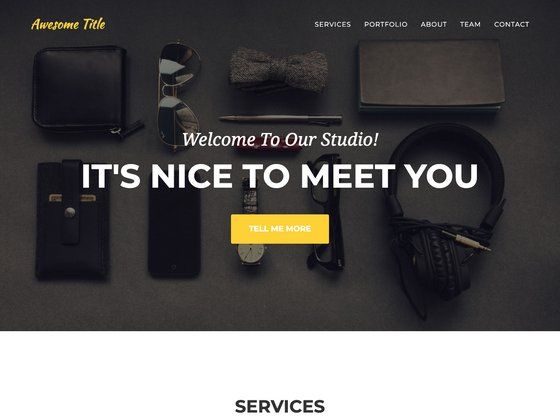
A Jekyll theme for agency websites with portfolio, about, and team sections, based on the Agency Bootstrap theme.
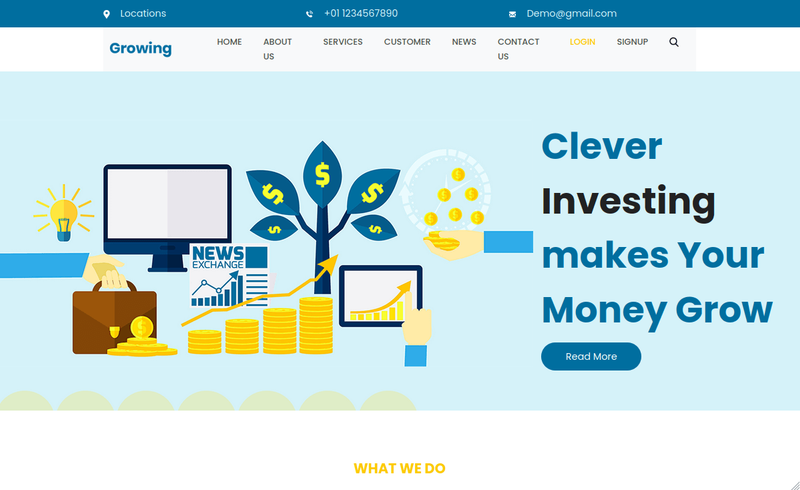
Free Bootstrap 4 multipage landing page template for venture capitalist agencies with hero, testimonials, contact form, and Google Maps.

Seogo is a free Bootstrap 4 HTML5 responsive multi-page agency website template with gradient styling, custom illustrations, and 9 HTML files.
AgenceX is a single-page agency landing template built with Astro v5 and Tailwind CSS v4, designed to give digital agencies a fast, themeable marketing site.
AgenceX is a single-page landing template for digital agencies, built on the Astro v5 framework with Tailwind CSS v4 for styling. It takes a project folder with Astro components as input and produces a static HTML site in the dist directory when you run the build command. The template is open source and appears to be maintained by the community, with 275 stars on its repository. It includes both light and dark theme variants, as shown in the demo screenshots.
AgenceX is a standard Astro project. After cloning it, run npm install to install dependencies, then npm run dev to preview the landing page at localhost:4321. When you are ready to ship, npm run build outputs the optimized static files to dist/, which you can deploy to any static hosting provider. Edits happen directly in the Astro components and the global.css file.
AgenceX is built with Astro v5, as stated in the repository's tools section.
The template uses Tailwind CSS v4 for all styling, which you can customize through Tailwind utility classes and the global.css file.
Run npm install from the project root, then npm run dev. The site will be served at localhost:4321 with hot reloading.
No, the pages folder contains only index.astro, so it is a single landing page. You would need to add more .astro files under src/pages to create additional pages.
The repository includes both light and dark theme screenshots, indicating built-in light and dark theme support. You can toggle or edit the theme by adjusting the theme-related classes or variables in the components and global.css.