Newsletter
Join the Community
Subscribe to our newsletter for the latest news and updates

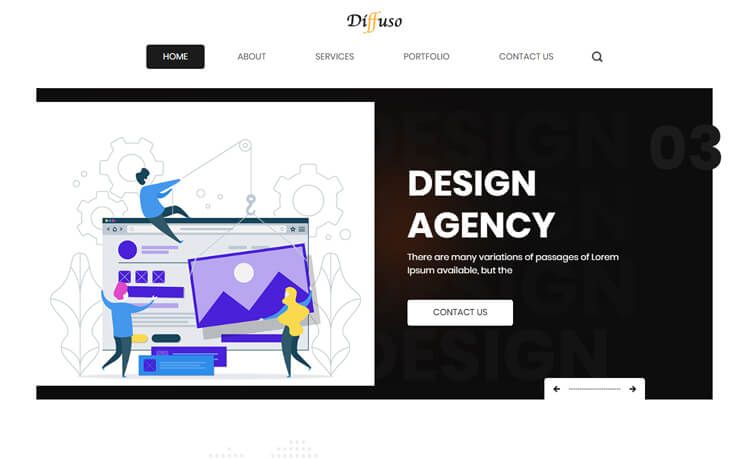
A digital agency portfolio and blog theme for Eleventy, with Bootstrap 4 and FabForm.io contact form support.
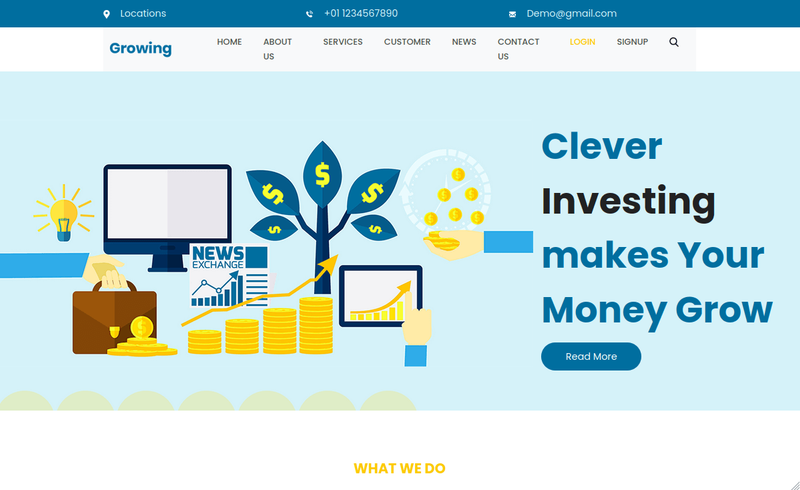
Free Bootstrap 4 multipage landing page template for venture capitalist agencies with hero, testimonials, contact form, and Google Maps.

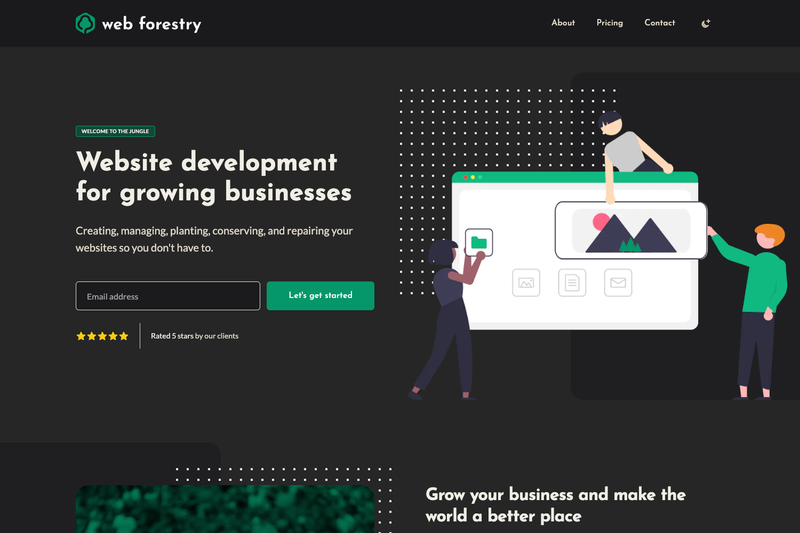
A simple agency landing page made with astrojs and tailwindcss

Seogo is a free Bootstrap 4 HTML5 responsive multi-page agency website template with gradient styling, custom illustrations, and 9 HTML files.
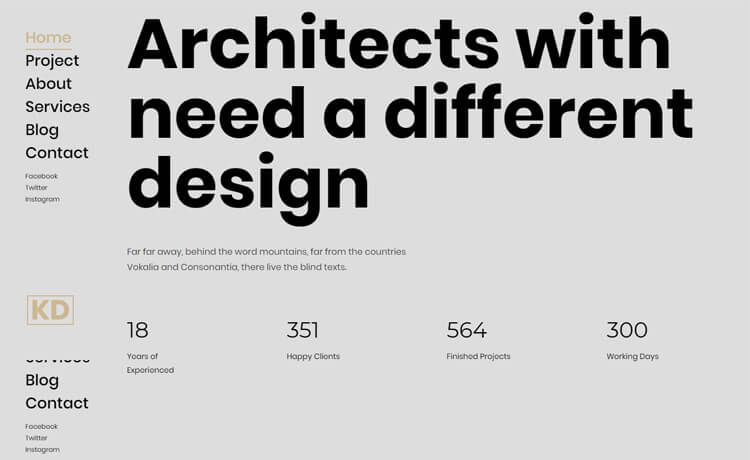
Free Bootstrap 4 HTML5 multi-page website template for architecture agencies, construction companies, and interior designers.
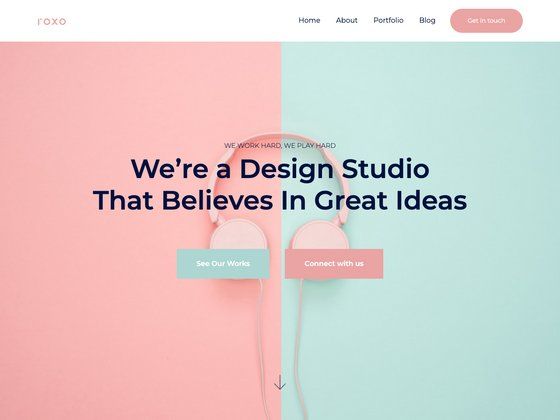
Roxo is an Eleventy-based digital agency website template by StaticMania, built as a portfolio and blog starter for creative agencies, freelancers, graphic designers, and photographers. It ships as a static-site project that you clone, install with npm, and run locally to produce a responsive marketing site with a contact form backed by FabForm.io.
Roxo Eleventy is a ready-made website theme for the Eleventy static site generator (11ty), designed for digital service providers. It takes your content and configuration as input and outputs a static HTML website styled with Bootstrap 4, including dedicated portfolio and blog sections. The template is created and maintained by StaticMania, the same team behind the Roxo design used across other static-site generators.
Installation follows a standard Eleventy workflow: first clone the repository with git clone https://github.com/StaticMania/roxo-eleventy.git, then install dependencies with npm install. Run npx run dev and the site appears at http://localhost:8080/; you can edit content and regenerate the static output.
Yes, the repository is licensed under the MIT License, so you can use it for free in personal and commercial projects. The license permits modification and redistribution with attribution.
Roxo is built for Eleventy (also called 11ty), a JavaScript-based static site generator. The template provides a complete project structure with npm scripts for development and build tasks.
The contact form is connected to FabForm.io, a third-party form backend service. You need to configure your FabForm.io endpoint to receive submissions; the template includes the integration code but does not include a server of its own.
Yes, although it is designed for creative agencies and freelancers, the template can be adapted for any corporate website that provides digital services. The portfolio, blog, and contact sections cover the needs of most service-based businesses.