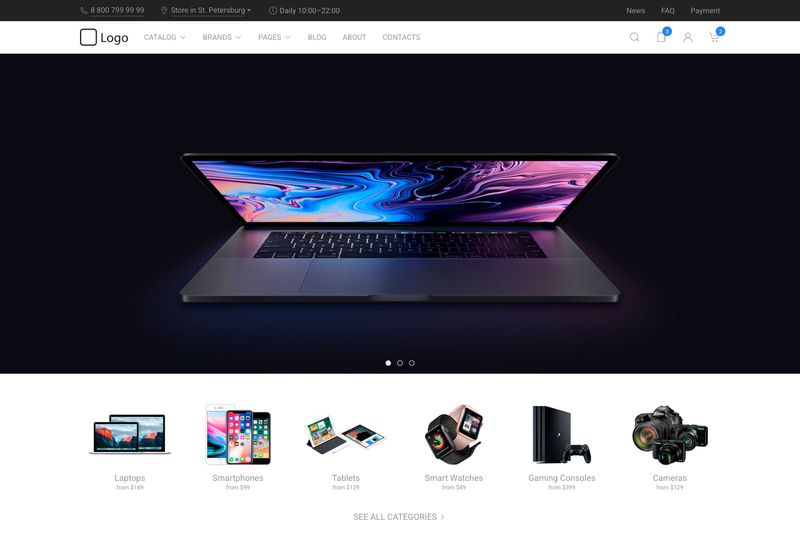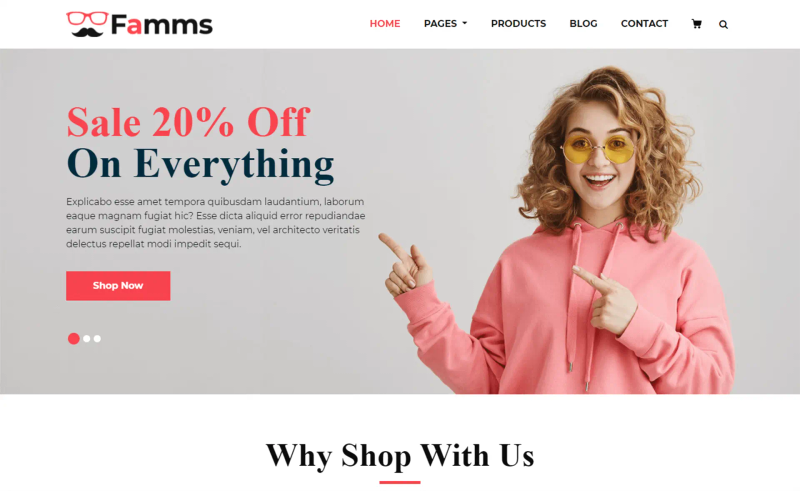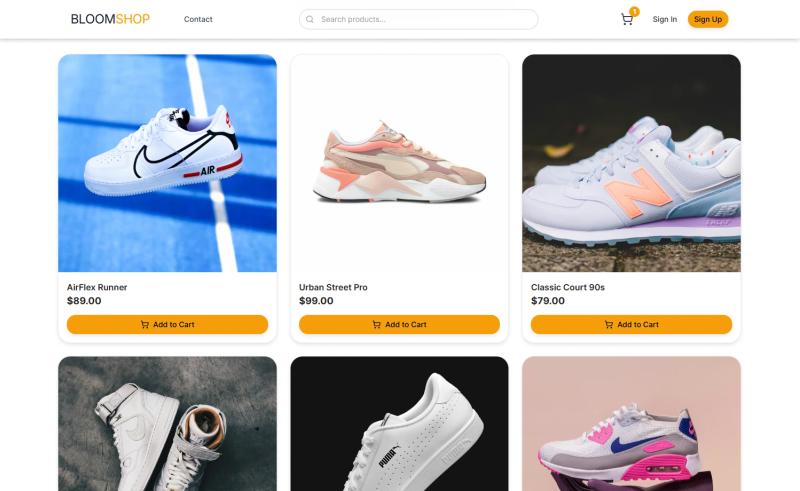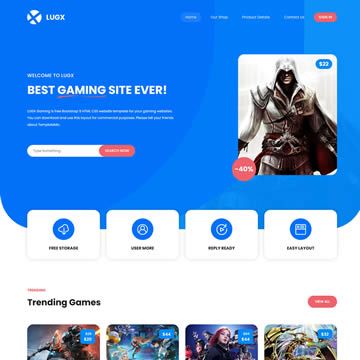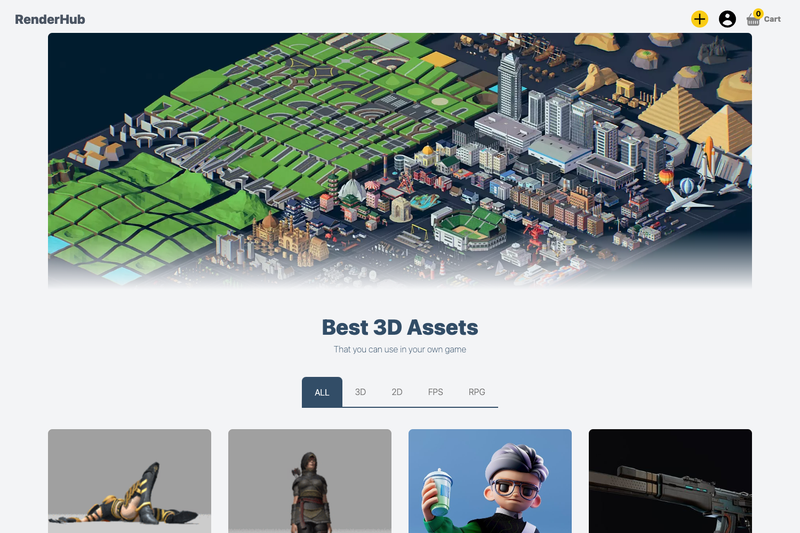
Artism is an open-source digital asset marketplace template built with Next.js and Sanity, created as a low-cost alternative to the Unity Asset Store for game development startups.
What is Artism?
Artism is a fully open-source marketplace application that lets designers sell 3D model characters and game development startups buy them at low cost. The repository contains the complete Next.js frontend and uses Sanity as its headless CMS, with a live deployment hosted on Vercel at artism.vercel.app. The project is authored by Nababratadeb (Nababrata) and released under the MIT License, so anyone can fork, modify, and self-host it.
Key Features
- Next.js framework — The entire storefront is built on Next.js, providing React-based page rendering, routing, and build tooling through
npm run devandnpm run build. - Sanity CMS integration — All marketplace content is managed through Sanity, a headless CMS, giving site owners a structured backend for their asset listings and site data.
- Digital asset marketplace concept — The core function is a storefront for 3D models and digital assets, with the stated mission of supporting small-scale game studios with affordable characters.
- MIT open-source license — The code is freely available on GitHub under the MIT License, allowing commercial and personal use with attribution.
- One-command Vercel deploy — Designed for Vercel deployment using the CLI command
vercel, with a live demo already running at artism.vercel.app. - Simple local setup — Getting started requires cloning the repo, running
npm installoryarn, thennpm run devfor development mode. - Data ownership promise — The README states "You are in charge of your data and customizations," emphasizing that self-hosters retain full control over their content and code changes.
Who is it for?
Artism is aimed at three main groups: small game development startups that need affordable 3D characters, 3D designers who want to monetize their models through their own storefront, and developers who want a real-world Next.js and Sanity codebase to learn from or extend. Each group can use the template as a starting point for their own marketplace.
What can you do with it?
- Independent game studios: set up a private marketplace to share and purchase 3D assets within a team or community without Unity Asset Store fees.
- 3D artists and designers: publish 3D characters on a customizable storefront and keep profits from sales, with the site's data controlled by the seller.
- Open-source developers: fork the repository, modify the Next.js frontend or Sanity schema, and deploy a customized marketplace to Vercel.
How does it work?
The setup process described in the README is: clone the repository, install dependencies with npm install (or yarn), and run npm run dev to develop locally. For production, use npm run build and deploy with the Vercel CLI. The README does not document payment processing, user authentication, or file delivery workflows, so those areas need custom implementation.
Pros and cons
- Pros: open source under MIT, modern Next.js and Sanity tech stack, one-command Vercel deployment, no vendor lock-in for data.
- Cons: the README lacks details on payments, accounts, and download delivery; it's a starter marketplace, not a fully hosted commercial platform.