Newsletter
Join the Community
Subscribe to our newsletter for the latest news and updates

A responsive Hugo theme for building single-page book landing sites with carousel, testimonials, FAQ, and buy links.
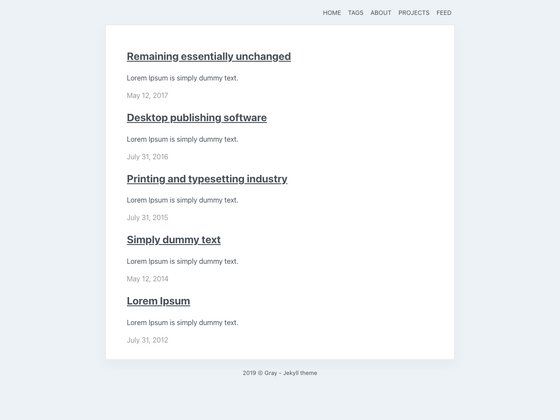
A minimal single-column Jekyll theme for portfolios and blogs, weighing under 3kb.
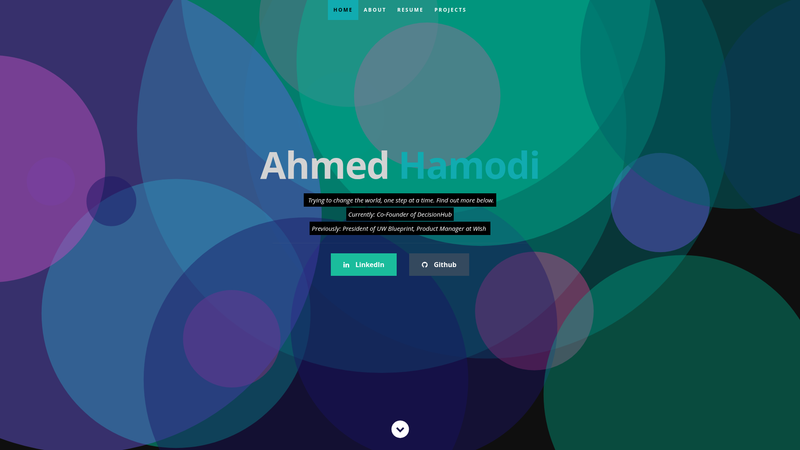
A React-based personal portfolio and online resume for showcasing work, projects, activities, and hackathons.
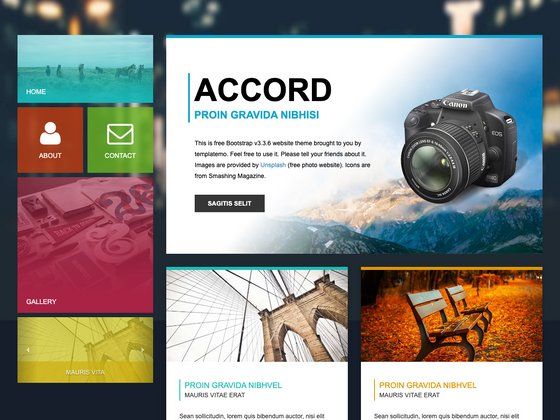
A Jekyll-based online CV theme with a Windows 8 Metro-style panel layout for designers and engineers.
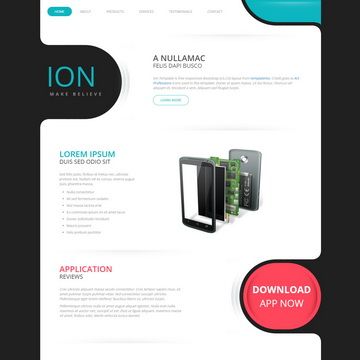
Ion responsive theme features smooth curved designs. Ion is clean and neat Bootstrap v3.2.0 mobile ready layout. You are free to use this for any website.
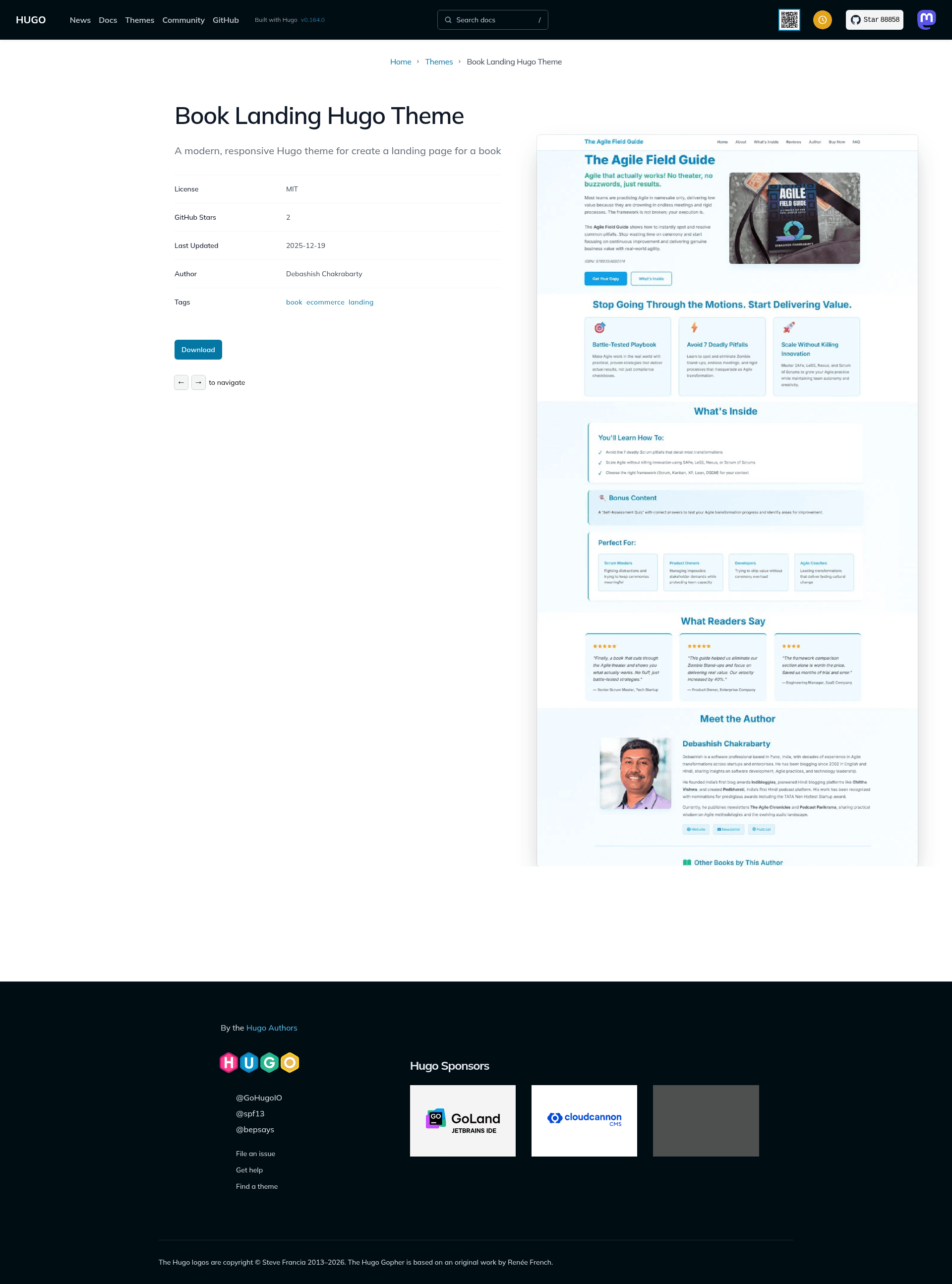
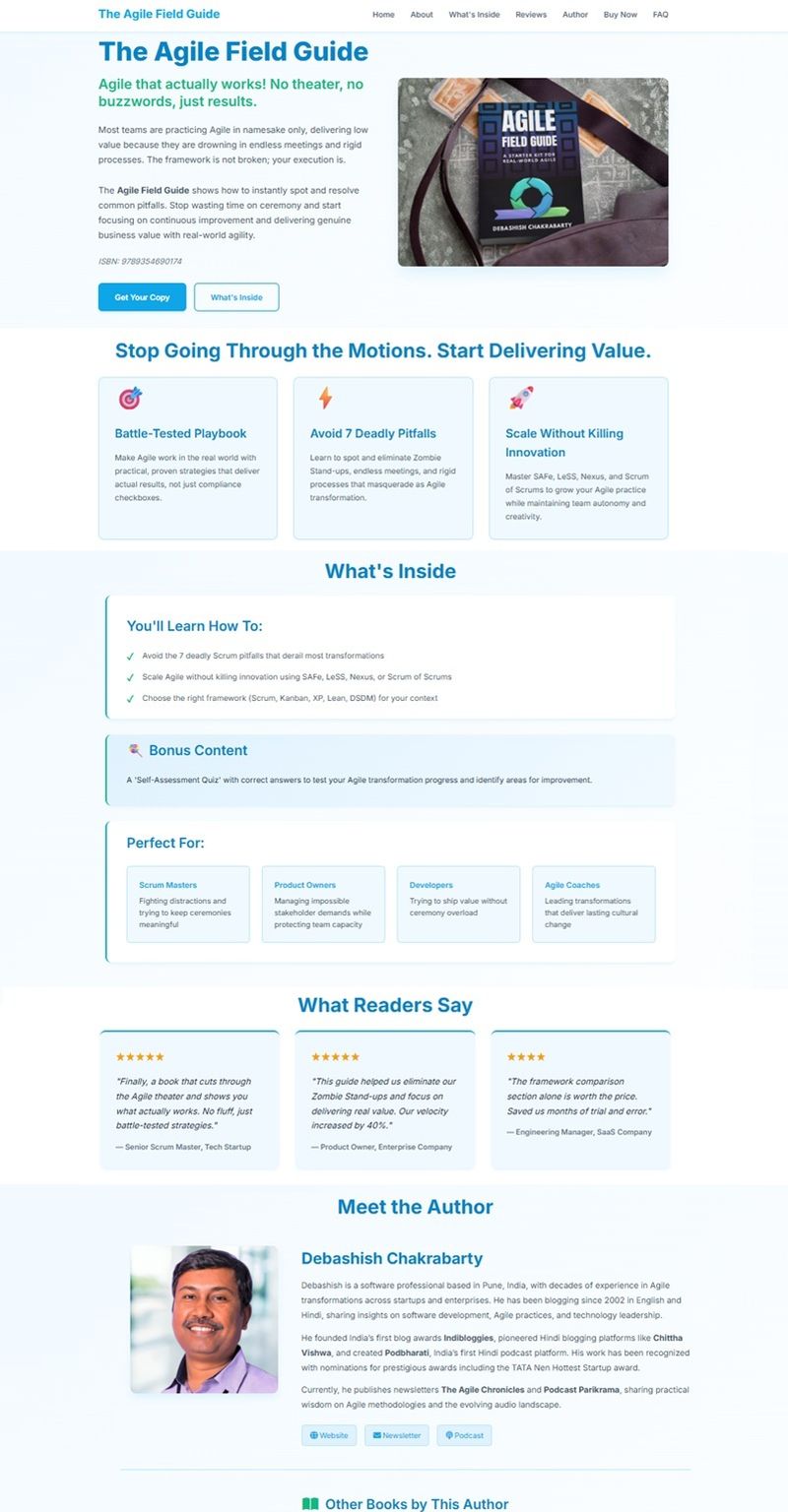
BookLanding is a free, open-source Hugo theme built specifically for creating single-page book landing sites, letting authors and publishers showcase a book cover, features, testimonials, and purchase links with no code changes.
BookLanding Hugo Theme is a responsive single-page theme for the Hugo static site generator, designed for book marketing. It takes Markdown content and TOML data files as input and produces a static landing page with hero, features, testimonials, author bio, carousel, buy options, FAQ, and newsletter sections. The theme is created by dchucks and released under the GPL-3.0 license.
BookLanding Hugo Theme is aimed at fiction and non-fiction authors, self-publishers, and publishing houses. An author can set up a landing page for a new release in minutes by copying the example site and editing a few data files. A self-publisher can use the multiple buy-option buttons to send readers to whichever retailer they prefer. A publisher can reuse the same theme across multiple titles to keep a consistent brand.
Installation is straightforward: add the theme as a Git submodule or clone it into your Hugo site's themes directory, copy the exampleSite configuration and content files, then run hugo server -D. The exampleSite directory provides a complete working example. For production, you can deploy to Netlify with a build command of hugo and publish directory public, or use Vercel's auto-detection or GitHub Pages with Hugo's official GitHub Actions workflow.
The theme requires Hugo Extended v0.80.0 or higher, since it relies on Hugo's Sass/SCSS processing features that are only present in the Extended build.
The color scheme is defined as CSS variables in the static/css/style.css file, with variables for primary blue, primary dark, secondary green, and accent light green. Editing these variables updates the entire site.
Yes. All sections are separate partials in layouts/partials/, and the homepage template layouts/index.html lets you reorder or remove sections by editing that file.
Documentation is available on the GitHub Wiki, and issues can be reported via GitHub Issues on the repository page.