Newsletter
Join the Community
Subscribe to our newsletter for the latest news and updates

Jekyll Theme package for your event
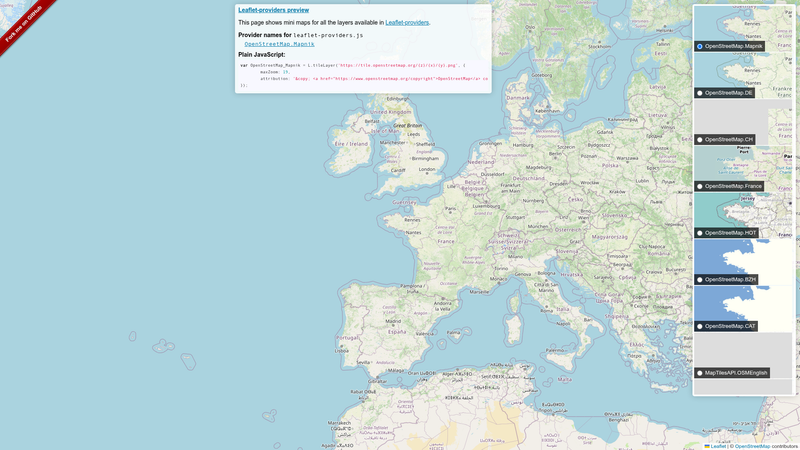
Jekyll template for a conference website containing program, speaker, talks and room overview
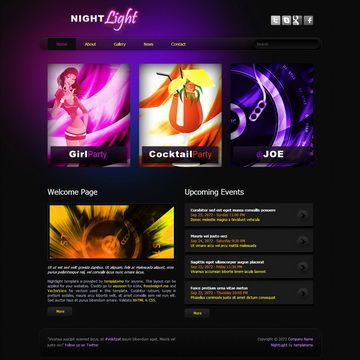
Nightlight is a free HTML/CSS party and event template with a pink-purple dark theme, 6 pages, gallery, news, article comments, and contact form.
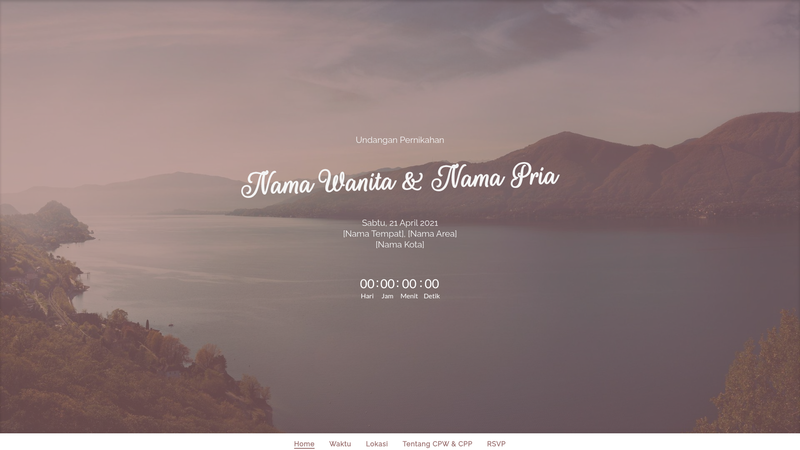
A single-page wedding invitation template with countdown timer, Google Calendar, Maps, and WhatsApp buttons, built on Bulma CSS.
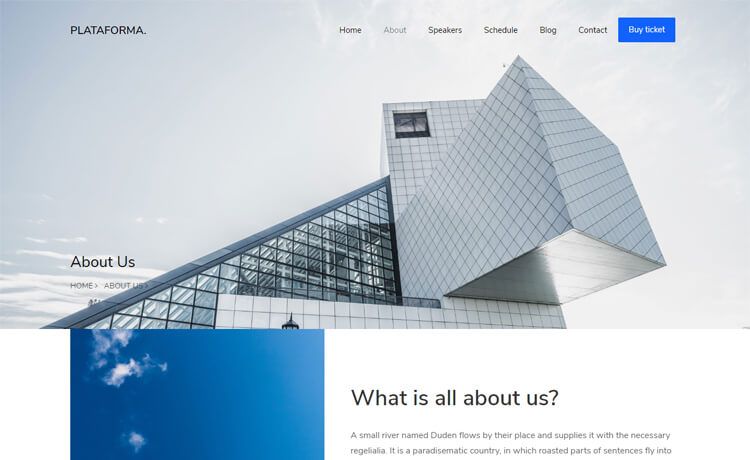
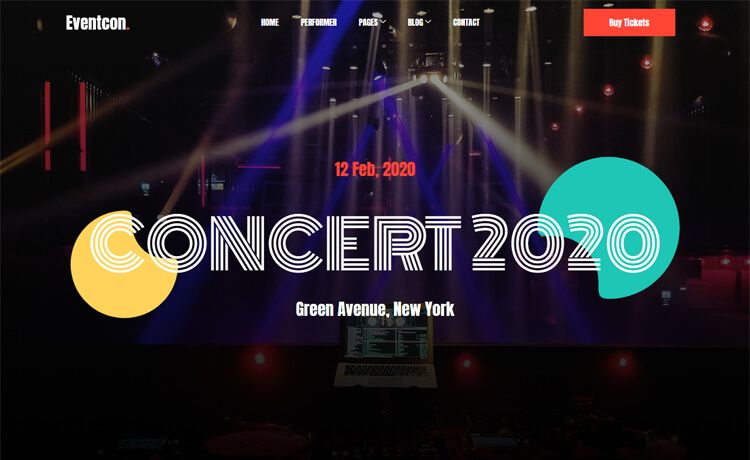
Free Bootstrap 4 HTML5 multi-page template for event management websites with parallax, gallery, countdown, and more.
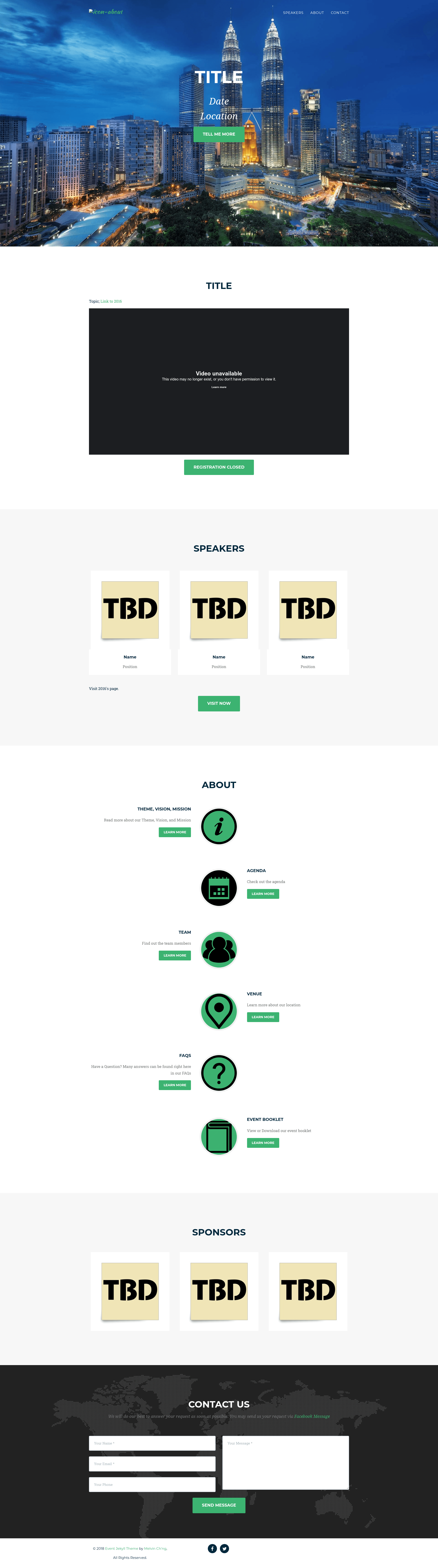
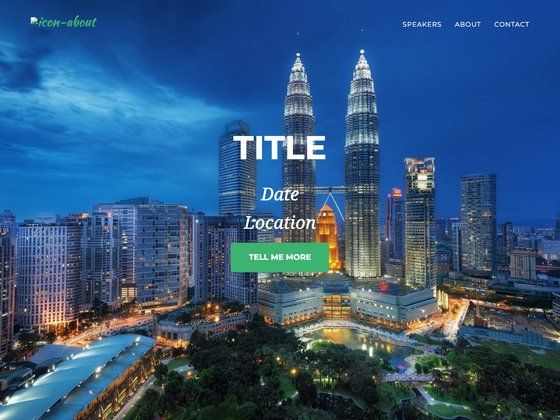
Event Jekyll Theme is a Jekyll-based multi-page website kit for conferences and events, built on the Agency Jekyll Theme and organized by year so you can reuse it for every edition of your event.
Event Jekyll Theme is an open-source Jekyll theme for building conference and event websites. It takes event information — agenda, speakers, sponsors, FAQs, team bios, and registration links — and produces a static multi-page site that you can host on GitHub Pages or any Jekyll-compatible host. The theme is a modified version of the Agency Jekyll Theme by y7kim, with files reorganized for reuse year after year and separate data folders for each year edition.
To get started, install Ruby and NodeJS, then install Jekyll and the required gems (jekyll-sitemap, jekyll-seo-tag) with gem install. Run jekyll serve from the root directory to preview the site at localhost:4000. Each section of the homepage is stored in _2016_data or _2017_data and can be removed by commenting out an include line in the corresponding home layout. Update speaker, agenda, and team data in the YAML files inside _data/twenty_16 and _data/twenty_17.
Yes, the theme is freely available on GitHub and can be used and modified. The repository does not list a specific license in the README, so check the repo if you need formal licensing.
Yes, the location page includes a Google Map, and the README notes that you must replace the default with your own API key.
Yes, the theme is organized by year folders (e.g., _2016_pages, _2017_pages) so you can create subpath sites for each occurrence. The author notes it works if your event is once a year, but you could adapt the pattern for monthly events.
The contact section uses Formspree. The README says to refer to Formspree's documentation to set up the form endpoint.
The README warns that if you fork the repo and edit _config.yml online, GitHub Pages may not work; you'll need to make changes locally (via CLI or GUI git) and push.