Newsletter
Join the Community
Subscribe to our newsletter for the latest news and updates

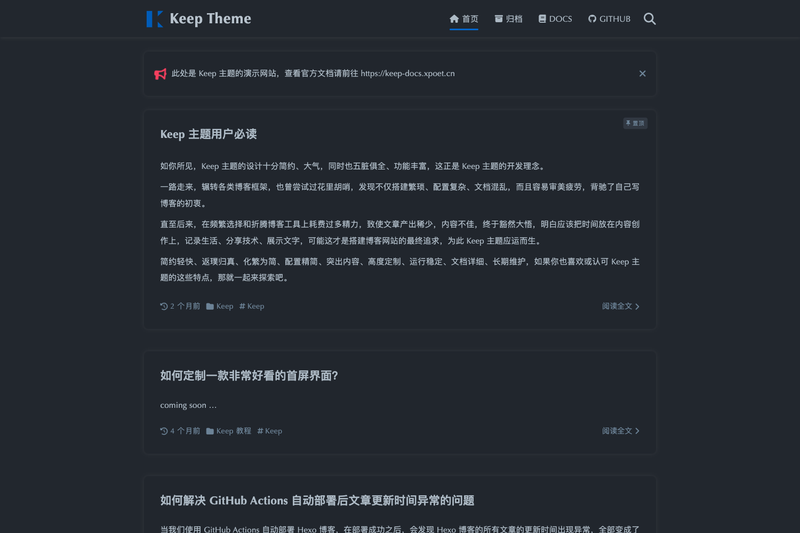
Quick-start boilerplate for the Hexo Keep theme with npm commands and a central YAML configuration file.
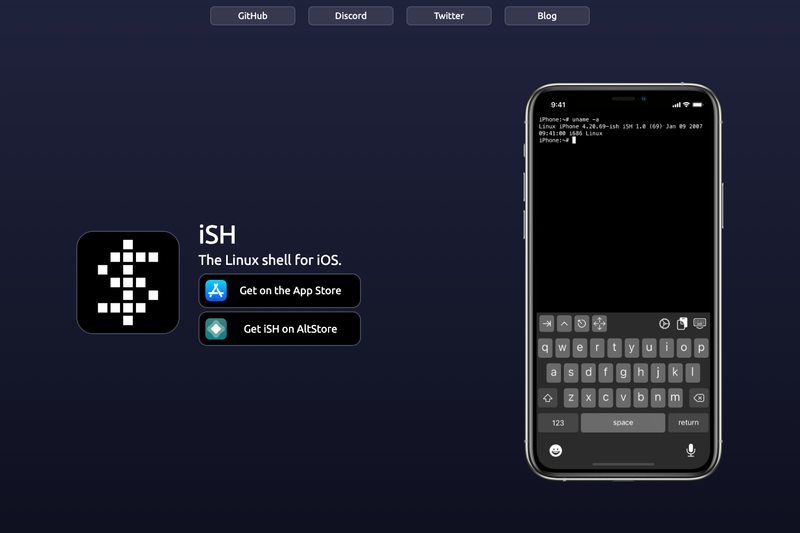
The official iSH website, built with Jekyll and available as a public GitHub repository.
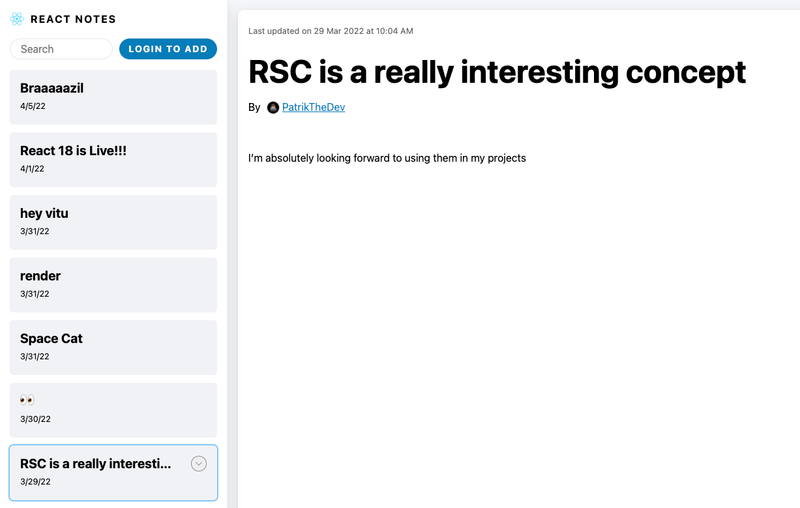
MIT-licensed notes app demo showcasing React Server Components with the Next.js App Router, deployable to Vercel.
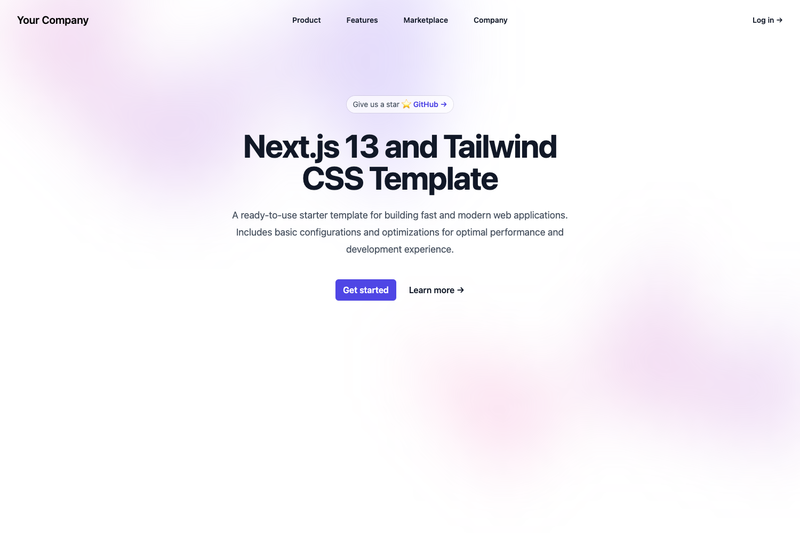
A plug-and-play starter for building web apps with Next.js, Tailwind CSS, and TypeScript, with preconfigured tooling.
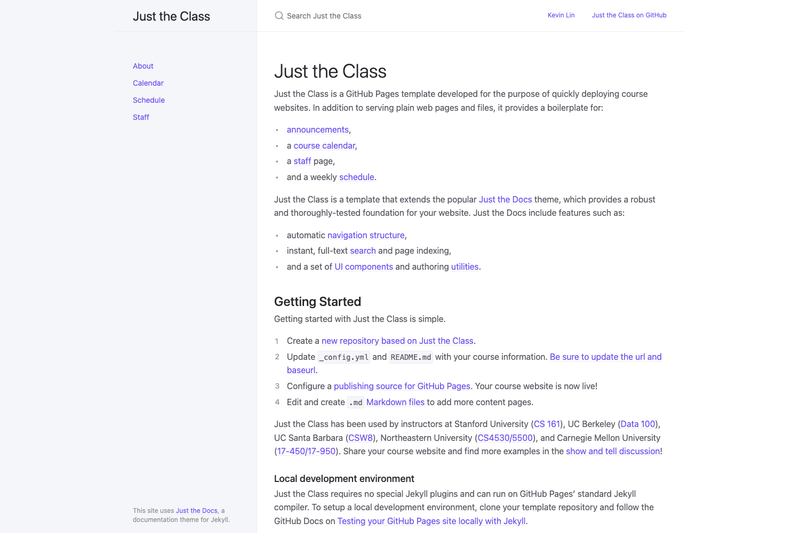
A modern, highly customizable, responsive Jekyll template for course websites.
Hexo Theme Keep Starter is a minimal boilerplate for launching a static website with the Hexo framework and the Keep theme.
Hexo Theme Keep Starter is a GitHub repository that provides a quick-start project structure for the Hexo static site generator using the Keep theme. It consists of a Hexo project pre-configured with the Keep theme, and it produces a working local development server after running two npm commands. The project is identified by the topics hexo, hexo-theme, hexo-theme-keep, and hexo-theme-keep-starter, and its documentation lives at keep-docs.xpoet.cn. It is a starter or boilerplate, not a full website, meaning it includes only the essential files needed to generate Markdown-based posts and pages.
The starter distinguishes itself with a deliberately small footprint and a single-file theme configuration. Here are its main characteristics:
npm install and npm run server to start a Hexo site with the Keep theme.source/_data/keep.yml file to configure the theme.This starter is aimed at anyone who wants to start a Hexo-based site with the Keep theme. It is especially useful for:
You can apply this starter to a range of static-site projects. Some common scenarios:
keep.yml and observe changes instantly.After cloning the repository, run npm install to fetch dependencies, then npm run server to start the Hexo development server. The theme is configured by editing source/_data/keep.yml, and the documentation link provides further configuration guidance.
The Hexo Theme Keep Starter is a free-to-clone boilerplate that uses two npm commands and a single YAML configuration file.
Yes, the repository is publicly accessible on GitHub, allowing anyone to clone and use it without payment.
Edit the source/_data/keep.yml file in your Hexo project. This is the central configuration file for the Keep theme, where you set site information, navigation, and other theme options.
Run npm install once to install dependencies, then npm run server to start the local development server. These are the two commands listed in the starter's README.