Newsletter
Join the Community
Subscribe to our newsletter for the latest news and updates

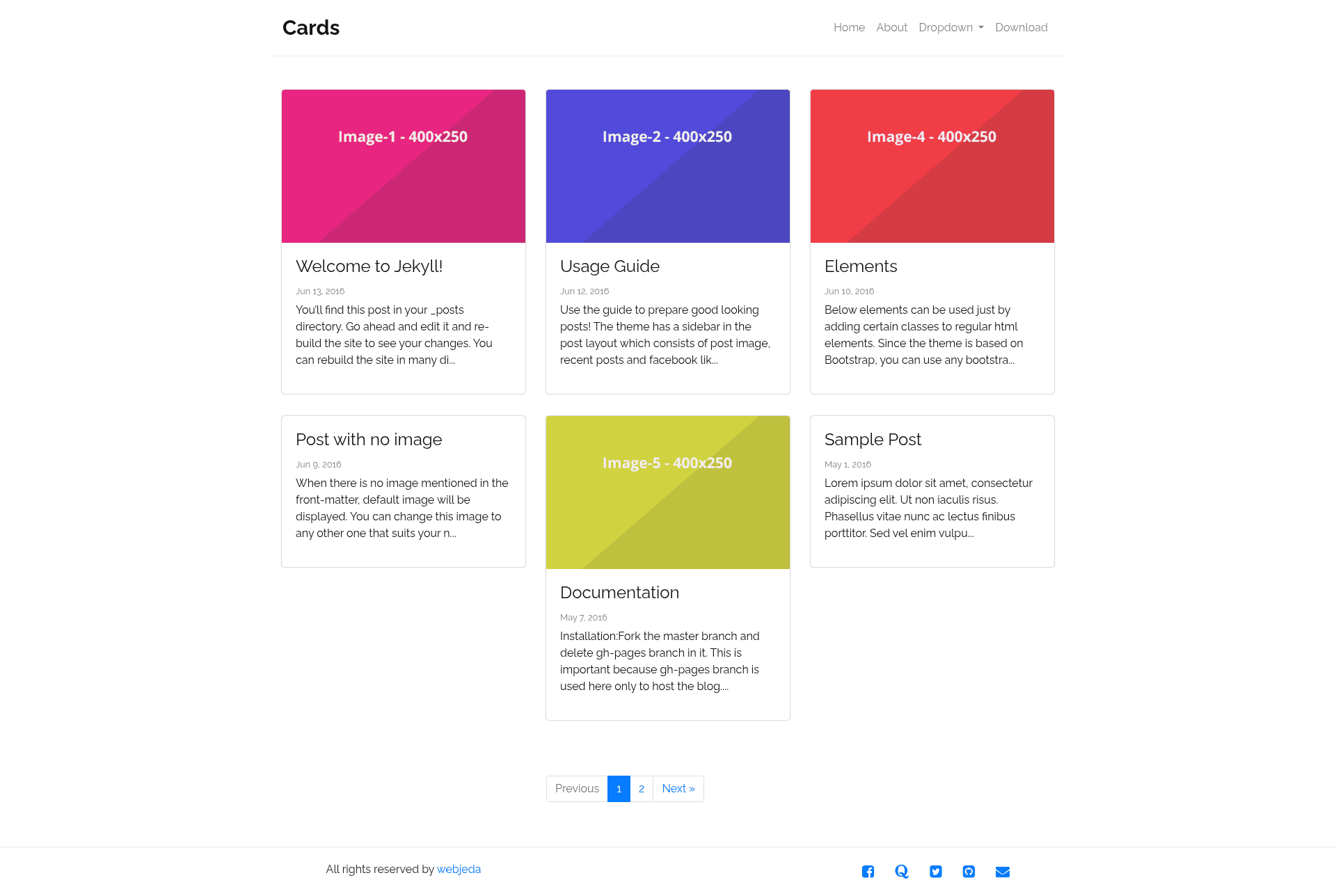
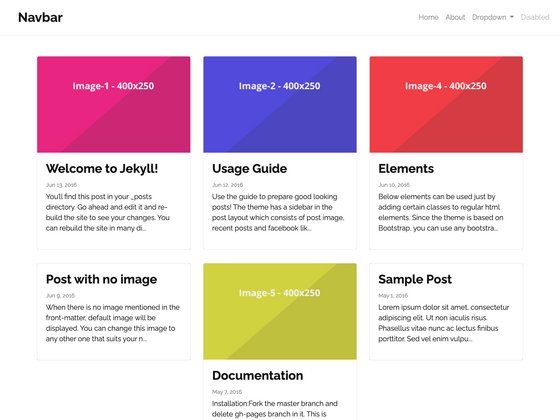
A minimal Bootstrap-based Jekyll theme for card-style sites on GitHub Pages.
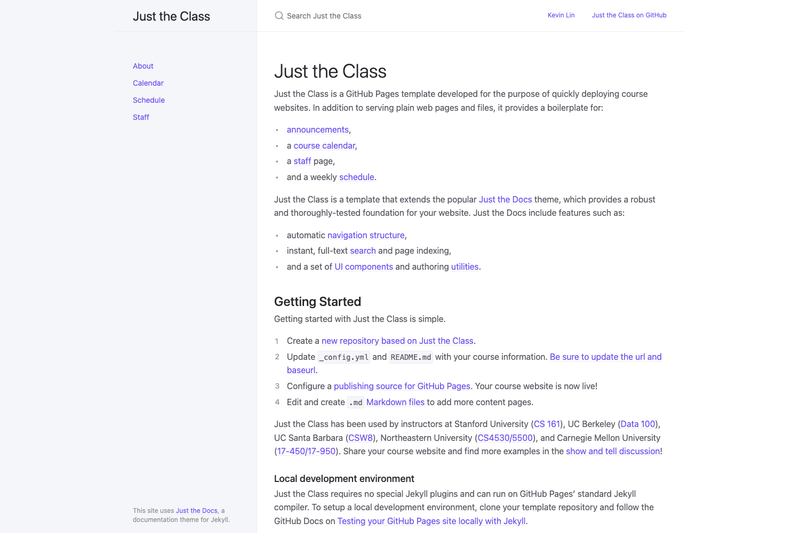
A modern, highly customizable, responsive Jekyll template for course websites.
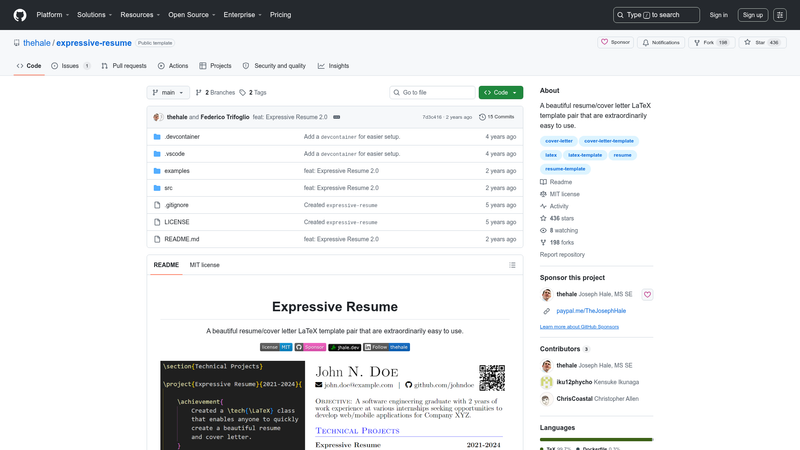
A LaTeX resume and cover letter template pair that uses declarative commands to produce clean, ATS-friendly PDFs.
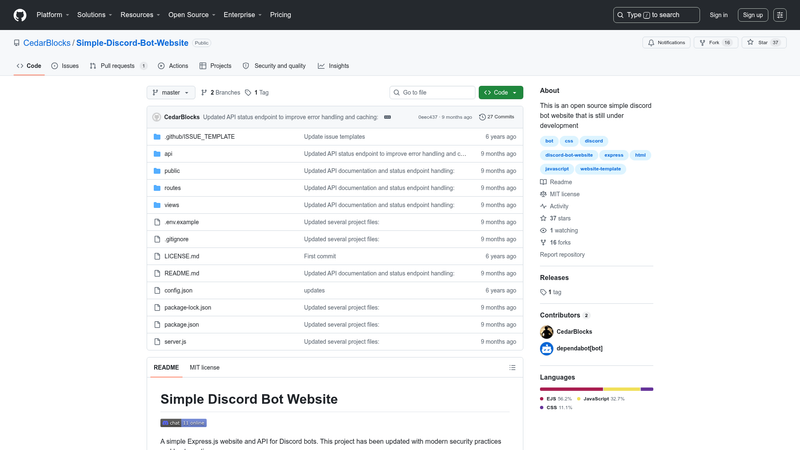
An open-source Express.js website and API for Discord bots, showing live status, server count, and ping on a self-hosted homepage.
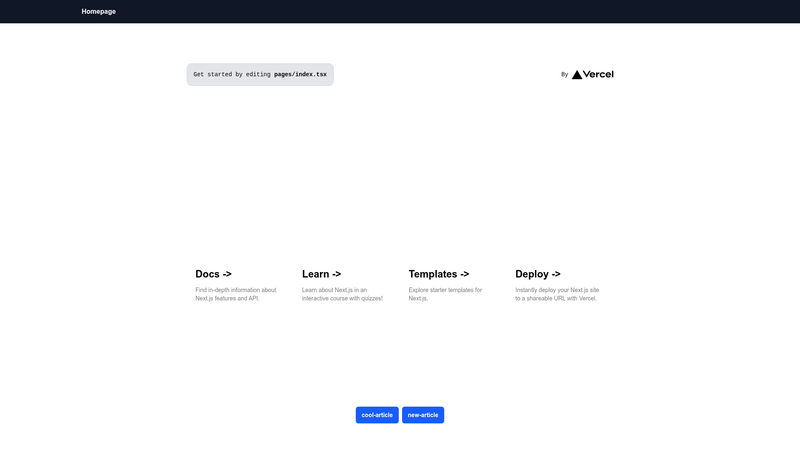
Next.js 16 starter with TypeScript, Tailwind CSS 4.1, tRPC 11, and Zod for type-safe APIs and validation.
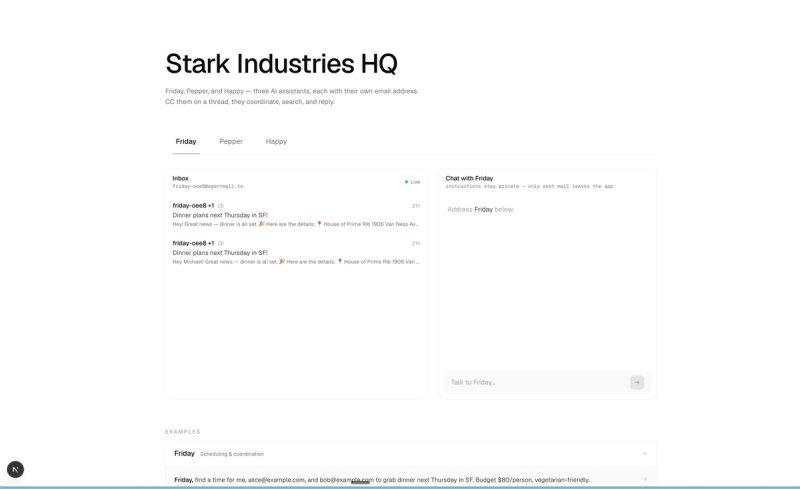
Vercel template for agentic email assistants: deploy named AI agents with real inboxes, real-time UI, and streaming tool calls via AgentMail, AI SDK, and Exa.
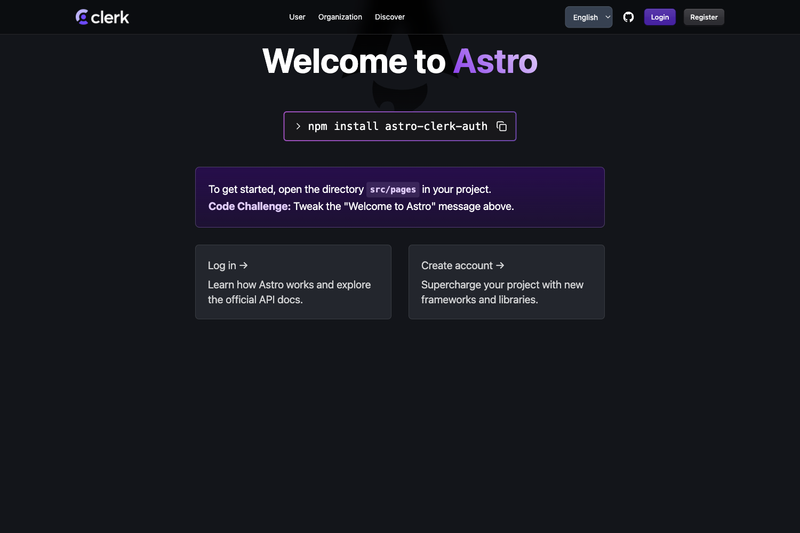
Community Astro SDK and starter template for adding Clerk authentication to Astro projects.
Webjeda Cards is a minimal, Bootstrap-based Jekyll theme for publishing a card-style website directly on GitHub Pages, distributed through jekyll-themes.com.
Webjeda Cards is a Jekyll theme that converts Markdown or HTML content into a static card-layout website styled with the Bootstrap front-end framework. As a Jekyll theme, it accepts source files such as Markdown posts, pages, and a _config.yml configuration, and outputs a plain HTML site suitable for any static host. It was created by Webjeda, and the live demo is available at http://webjeda.com/cards. The GitHub repository is described as "a bootstrap based minimal jekyll theme" and carries the topics bootstrap-theme, github-pages, jekyll-template, jekyll-theme, and jekyll-themes; it has earned 101 stars.
master branch.master branch.master to go live.The documented workflow has two steps. First, fork the repository to your GitHub account. Second, go to Settings, open the GitHub Pages section, and select master as the source branch. After that the site is built and published automatically at your GitHub Pages URL.
The theme is free to use; the installation method is simply forking the public repository, with no payment or subscription mentioned anywhere in the documentation.
Yes, it is free. The documented setup requires only a GitHub account and a fork of the public repository; there is no purchase, license fee, or subscription.
Install by forking the repository to your GitHub account, going to Settings, and setting the GitHub Pages source to master. Once saved, GitHub builds the Jekyll site and serves it at your default Pages domain.
Yes, the installation steps are designed for GitHub Pages. The Pages service runs the Jekyll build automatically each time you push changes to the repository.
Because the repository is forkable, you can edit the Jekyll layouts, includes, and Bootstrap styles directly. Changing the _config.yml file also lets you adjust site-wide settings such as the title or custom metadata.