Newsletter
Join the Community
Subscribe to our newsletter for the latest news and updates

A clean and professional Hugo theme for digital agencies, startups, and modern product landing pages.

Marketing agency landing page built with NuxtJS, UnoCSS, and Unify UI Blocks.
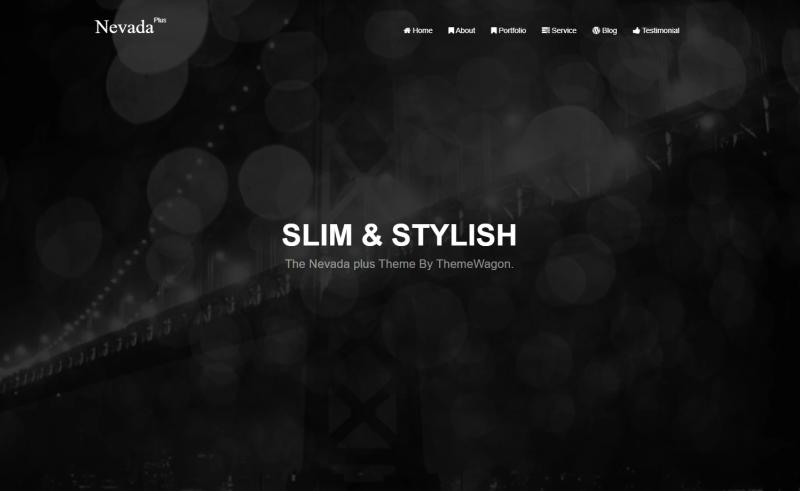
Free responsive HTML5 one-page agency template by ThemeWagon with Bootstrap 3, sticky menu, portfolio, testimonials, and contact sections.

Scaffold is a free single-page Bootstrap 5 agency website template with portfolio grid, testimonial carousel, and working contact form.
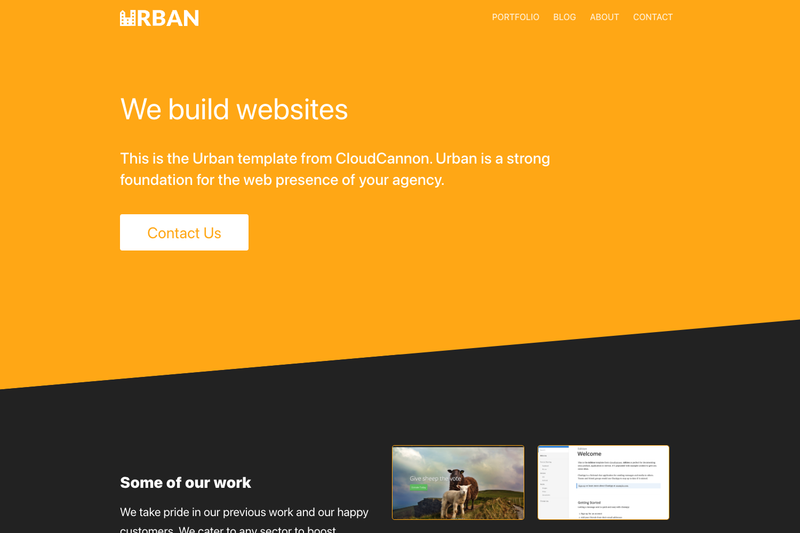
Legacy web agency theme for Jekyll by CloudCannon, built with Bookshop components and optimized for CloudCannon editing.
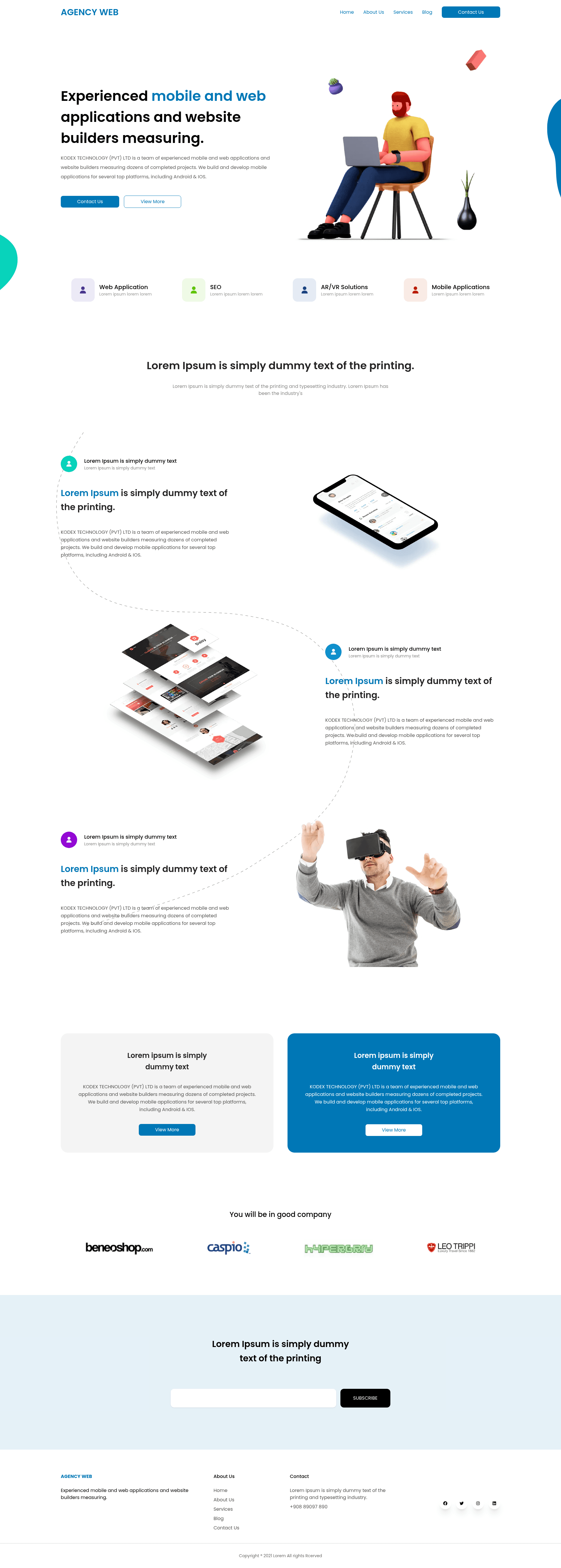
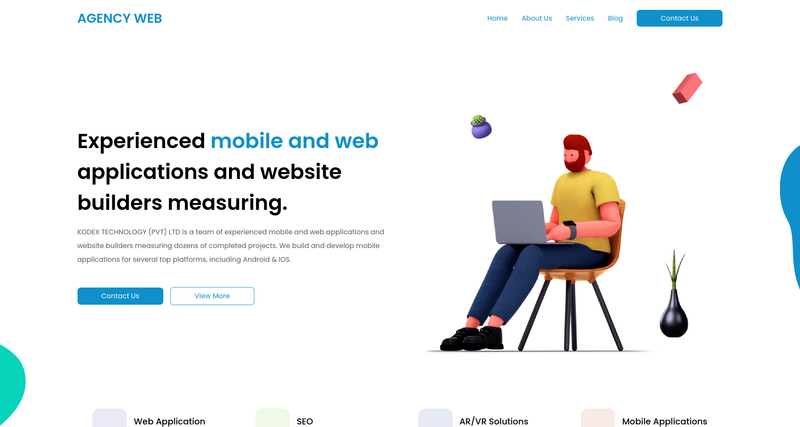
Hugo Agency Web is a Hugo static-site theme for digital agencies, startups, and product landing pages, built with Tailwind CSS and modeled after the "Agency Web" Figma community design by Sanoj Dilshan. It accepts Markdown content and YAML data files and outputs a fast, deployment-ready static HTML site.
Hugo Agency Web is a theme for the Hugo static site generator, maintained in the writeonlycode GitHub repository. The theme produces a clean, professional single-page-style marketing website with sections such as hero, features, and pricing, all driven by YAML files in the data/ directory. It uses Hugo's configuration directory structure, so all site-wide settings live in the config/ folder. Because Hugo compiles content into static HTML, the output is a public/ directory that can be hosted anywhere, including Netlify and Vercel.
data/, so non-technical edits do not require touching HTML templates.config/), making environment-specific or multi-file configuration straightforward.hugo server starts a local server at http://localhost:1313 with hot reloading for any content or template changes.hugo command generates a complete public/ static directory that can be uploaded to any static host or connected to Netlify/Vercel for continuous deployment.Hugo Agency Web is for digital agencies that want a fast, lightweight marketing site without maintaining a server-side CMS. Startups building a product landing page can use the data-driven hero and pricing sections to iterate quickly. Freelance web designers who already know Hugo or static site workflows can use it as a starting point for client projects, customizing styles with Tailwind utilities.
data/ YAML, and deploying the static site to Netlify or Vercel.Start by installing the prerequisites: Hugo, Go, Node.js, and npm. Clone the repository's demo branch into a new site folder, then run npm install to install front-end dependencies and hugo server to launch a live-reloading development environment at http://localhost:1313. To publish, run hugo to build the public/ folder and upload its contents to a static host or connect it to a platform like Netlify or Vercel.
Hugo Agency Web is free. The MIT License allows unrestricted use, modification, and redistribution, with no paid tiers or usage limits stated in the repository.
Clone the repository using the demo branch, with a command like git clone --depth 1 --branch demo https://github.com/writeonlycode/hugo-agency-web.git, then install dependencies with npm install. After that, run hugo server to see the site locally at http://localhost:1313.
You need Hugo, Go, Node.js, and npm installed on your machine. Go is required because Hugo is a Go-based executable, while Node.js and npm handle the Tailwind CSS build process through the npm install step.
The README specifies that the theme includes structured sections such as a hero, features, and pricing, all populated from YAML files inside the data/ directory. The exact set of sections is defined by the demo content, and you can extend them by adding new YAML files and corresponding Hugo partials.
Yes, Hugo Agency Web is released under the MIT License, meaning you can use it for personal and commercial projects without paying a fee. You are also free to modify and redistribute the theme as long as the original license is included.
Run the hugo command in the project root to generate a public/ directory containing the entire static site. Upload the contents of that folder to any web host, or connect the repository to Netlify or Vercel for automated builds.