Newsletter
Join the Community
Subscribe to our newsletter for the latest news and updates

A Hugo theme for local service businesses: YAML-driven sections, auto WebP images, Leaflet maps, and i18n.
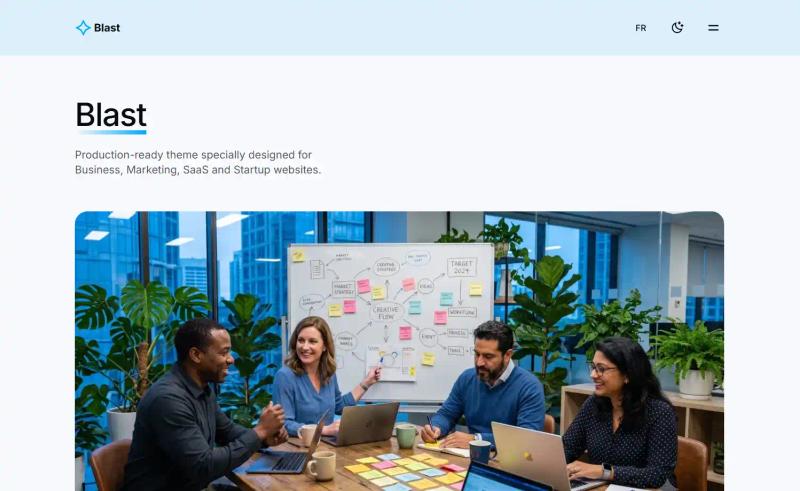
Free multipage business website template built with Tailwind CSS v4, Astro, and Alpine.js, with 8+ prebuilt pages and light/dark modes.
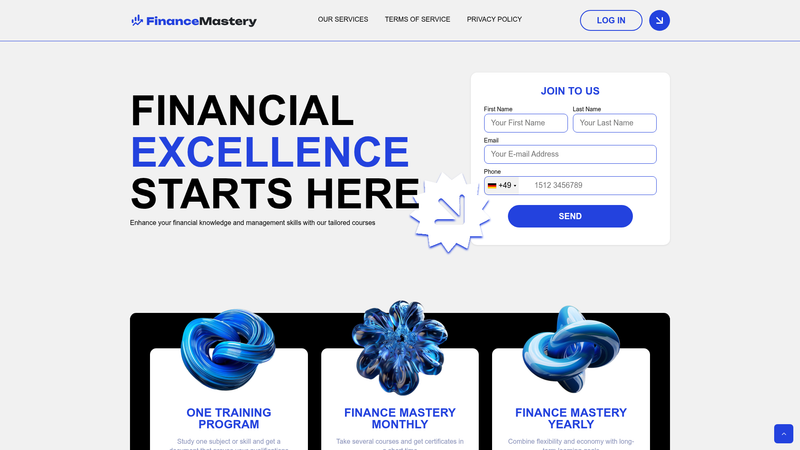
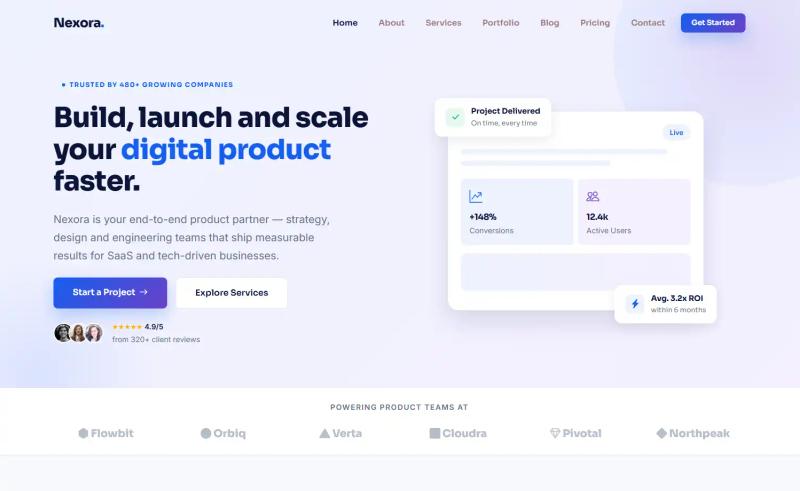
A simple, fast Hugo theme for fintech websites, with Sass styling and multilingual content structure.
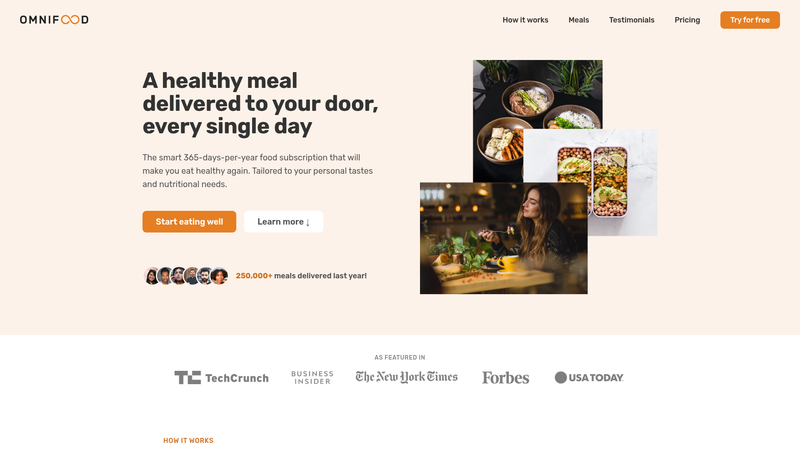
Omnifood is an AI-powered food subscription that makes eating healthy easy, 365 days per year, tailored to personal tastes and nutritional needs.
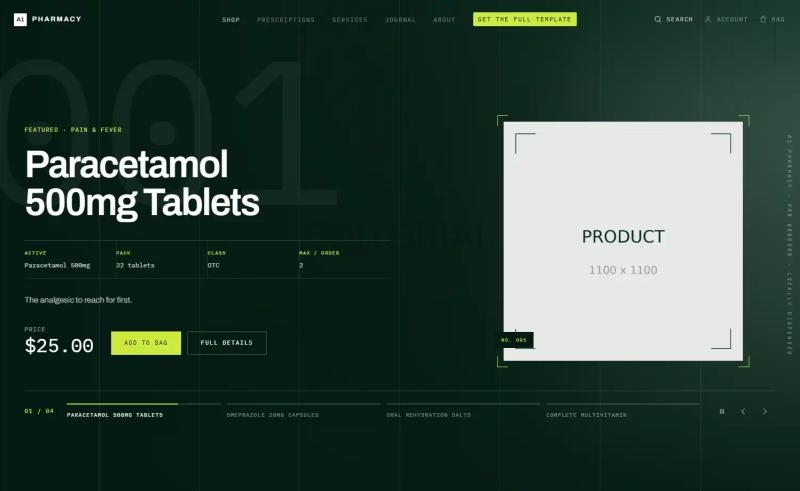
Free HTML5 multipage website template for pharmacies, health stores, and community healthcare services.
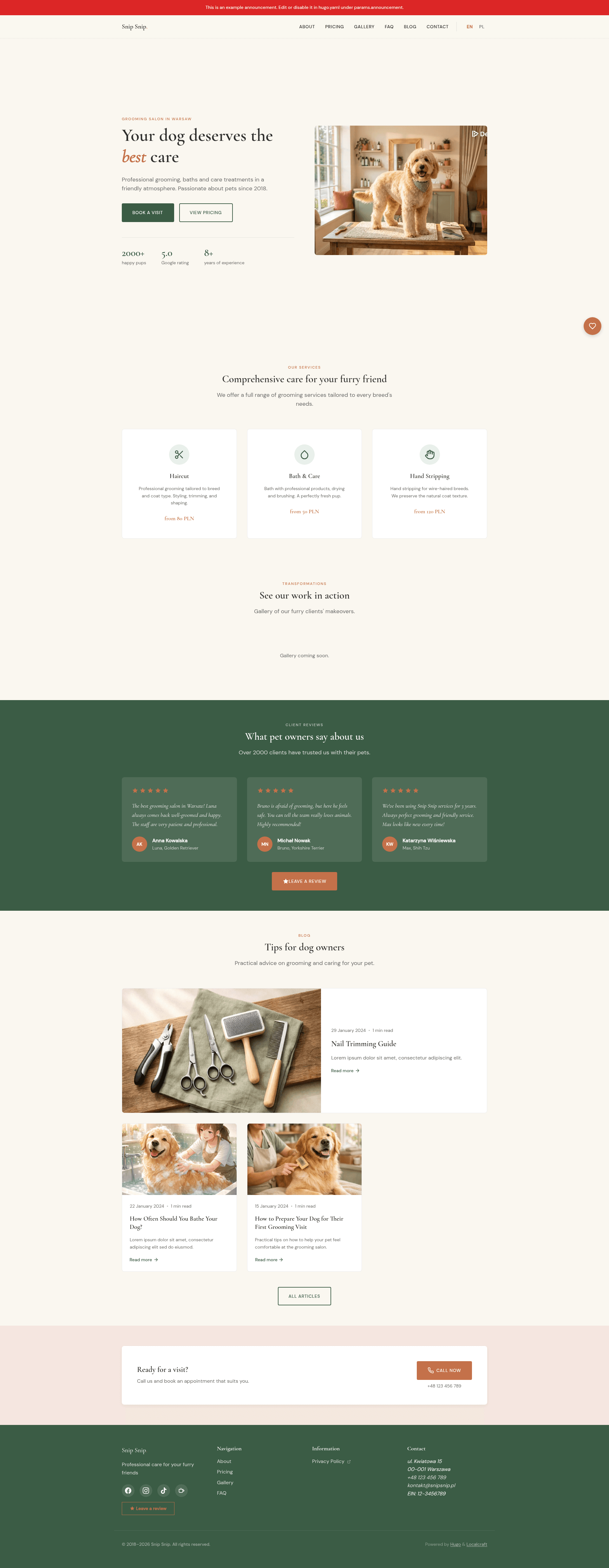
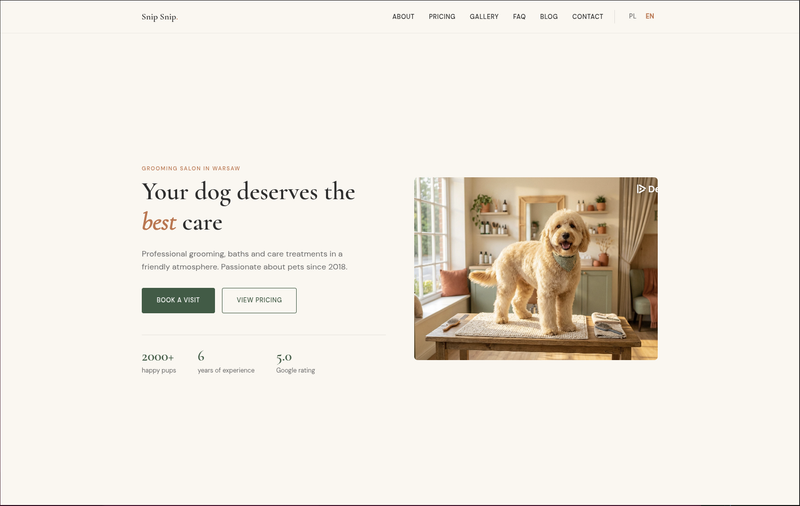
Localcraft is an open-source Hugo theme by Maciej Kosiarski that creates a complete static business website for small local service businesses — hair salons, beauty parlors, massage studios, and pet groomers — from YAML data files.
Localcraft is a static-site theme for Hugo 0.123.0 and later, designed to render the online presence of a local service business from configuration files rather than from a CMS dashboard. Input comes from three places: a hugo.yaml with business data (name, address, phone, coordinates, business type), YAML data files in data/en/ for services, testimonials, team, FAQ, pricing and opening hours, and front matter on the homepage that arranges sections. Output is a set of static pages: homepage, about, pricing, gallery, FAQ, location, and blog. The theme is MIT-licensed, made by Maciej Kosiarski, and the GitHub README cites donpiesko.pl, a grooming salon in Lublin, as a site using the theme.
assets/images/ are converted to WebP and resized to 400, 800, 1200, and 1600 pixel variants with srcset, plus lazy loading by default; a 1920×1200 JPEG example in the README drops from 2.5 MB to 145 KB as a 1600px WebP.HairSalon, BeautySalon, DaySpa, PetGroomer, and HealthAndBeautyBusiness so search engines can interpret the local business details.consent_update dataLayer events.lat and lng values set in site params.params.colors, and a project-level assets/css/custom.css is bundled and loaded last.data/en/pricing.yaml with categories and items, then the pricing page shows a filterable price list; prices are plain strings, so owners control formatting.image_before and image_after values in front matter; the theme renders a grid with a comparison slider.assets/images/; on every build Hugo converts them to responsive WebP images used through srcset in templates.Localcraft can be installed in one of three documented ways: git submodule add from maciejkosiarski/localcraft to themes/localcraft, as a Hugo module imported in hugo.yaml, or by ZIP download. Site configuration lives in hugo.yaml with a theme declaration, languages block, and params such as logo name, business phone/address/lat/lng, and business type for schema.org; homepage layout is defined as a sections array in content/_index.md. The README also documents optional settings for colors, custom CSS, a floating support button, an announcement banner with date range, and a Google Tag Manager ID with cookie consent.
Yes. The theme ships English and Polish i18n files and supports language-specific content directories and data files, e.g., data/en/ and data/pl/. Each language can show its own announcement banner text, and settings like business name are per language.
Hugo 0.123.0 or higher is required, and the extended version is recommended because it includes the full image-processing features the theme uses for WebP generation.
Only images placed in assets/images/ are processed through Hugo's pipeline. They are converted to WebP, resized to four widths, and served via responsive srcset unless disabled. Files in static/images/ such as logos or favicons are intentionally left unprocessed.
Yes. The theme is released under the MIT License, which permits free use and modification. Its GitHub repository includes a live demo and a showcase site, donpiesko.pl, that runs on the theme.