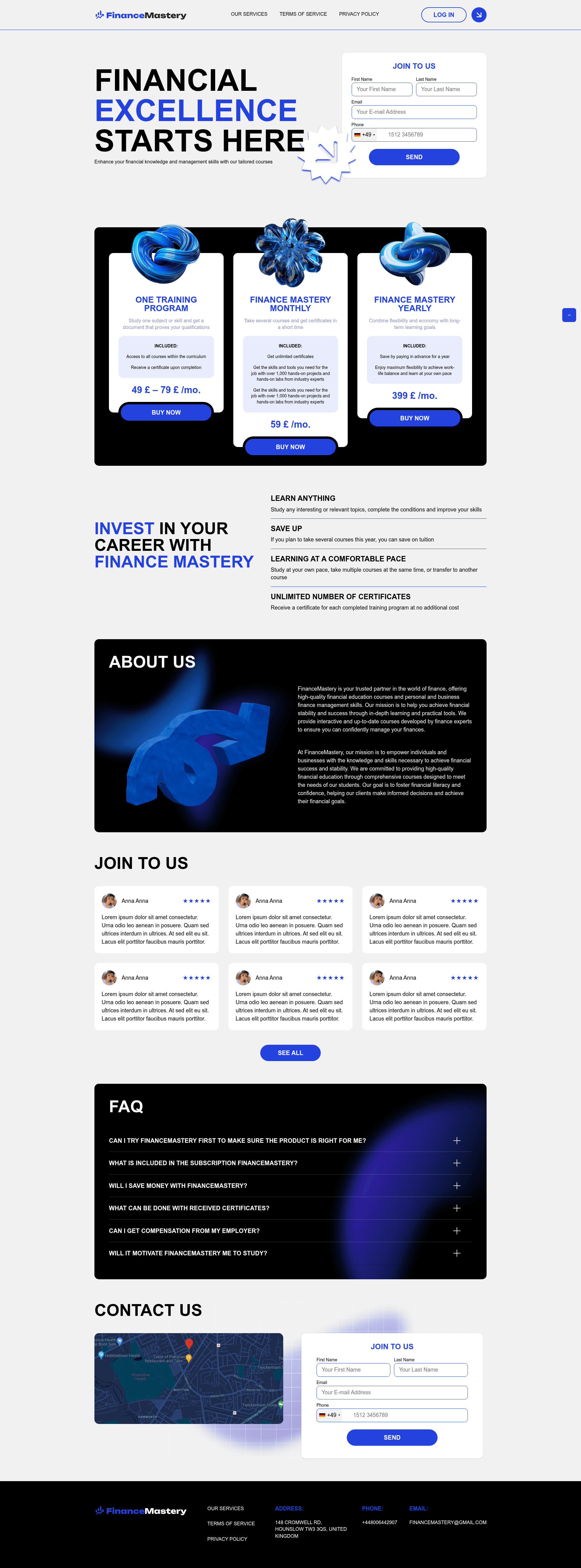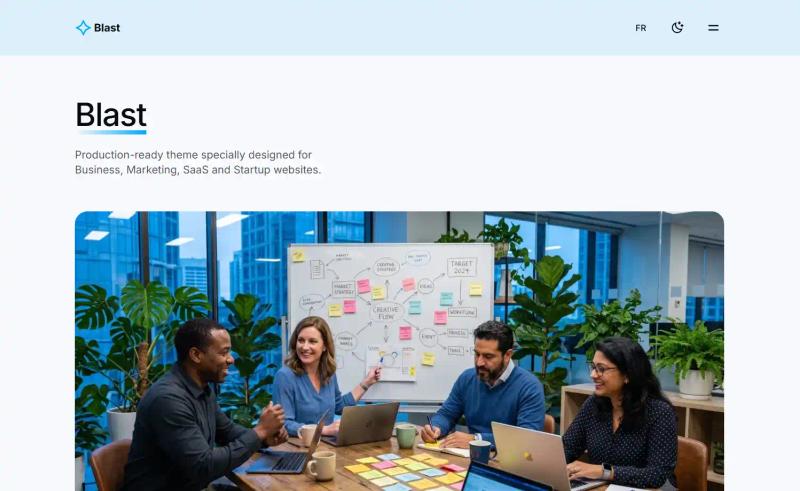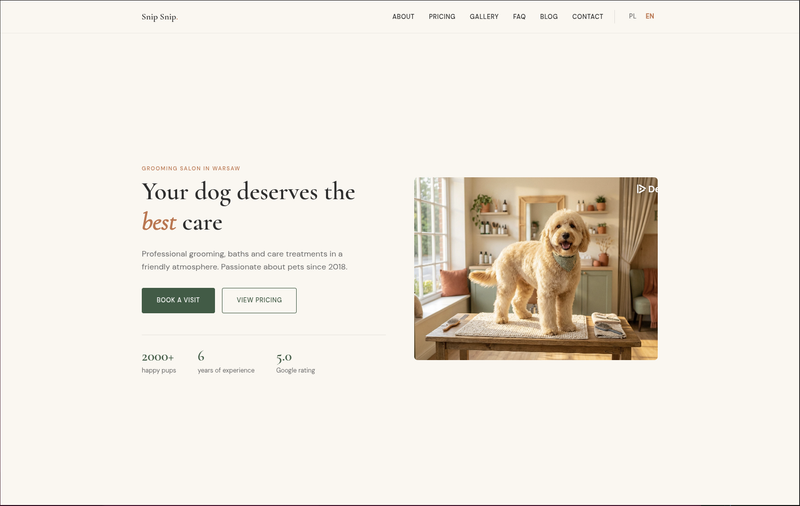
Cryptoflow is a minimal, open-source Hugo theme designed for fintech websites, built on the Hugo static site generator with Sass for styling. Developed by anastasiiaxfr, the theme is distributed through the GitHub repository https://github.com/anastasiiaxfr/financemastery and is available under the MIT License.
What is cryptoflow?
Cryptoflow is a simple and fast Hugo theme that provides a starting point for finance or fintech-oriented websites. It takes a Hugo project and your content written in Markdown, and outputs a static site with a minimal layout and Sass-based design. The theme README shows screenshots of a clean site, and the repository owner links their personal website at https://lp-08-08-241.netlify.app/ as an example of the theme in production.
Key Features
Cryptoflow offers several practical features for building a static fintech website, as documented in the repository.
- Hugo framework — The theme uses Hugo as its static site generator, producing fast, deployable HTML output. You need both Hugo and Go installed to run it locally.
- Sass styling — The repository metadata lists Sass as the styling layer, so you can maintain styles through variables, nesting, and other Sass features.
- Recommended page structure — The README asks for a
content/[lang]directory that includesservices,policy, andtermssubfolders, giving you predefined spaces for common fintech company pages. - Language-aware folder layout — You can create multiple language folders under
content, enabling multilingual content organization. - Custom site logo — Place an image or SVG file into the directory named
iamegsinside your site static folder, then uncomment thelogooption inhugo.tomlto display your own logo. - Local preview workflow — After cloning the repository, run
hugo serverand openhttp://localhost:1313to preview the site during development. - Open source MIT license — The theme is free to use, modify, and redistribute under the MIT License.
- Netlify-compatible static output — The linked demo is hosted on Netlify, and the generated static files can be deployed there or on any static host.
Who should use cryptoflow?
Developers and site owners who want a small, self-contained Hugo theme for a finance-related static website. Fintech startup founders can use the built-in services, policy, and terms sections to stand up a corporate web presence, while independent developers can customize the Sass visuals and build a personal finance blog. The theme is also useful for Hugo learners who want a minimal codebase to inspect.
What can you do with cryptoflow?
With its straightforward content folders and Sass-based design, cryptoflow can support these common use cases:
- Build a fintech company site — Use the recommended content structure and Sass styling to create pages for services, legal policies, and terms, which are typical for finance businesses.
- Launch a personal finance blog — The README screenshot with the filename
writingsgrabimplies the theme can present written articles, and the owner personal website demonstrates that use. - Create a fast promotional landing page — The theme produces a lightweight static site that loads quickly and can be hosted on Netlify at no cost.
How does cryptoflow work?
Install Hugo and Go, then confirm your installation by running go version and hugo version. Clone the repository from https://github.com/anastasiiaxfr/financemastery, or pull it into an existing Hugo site. Structure your content folder under a language code and add the services, policy, and terms directories. Place your own content in them, optionally set a logo, and run hugo server to view the output at http://localhost:1313.
Pricing
Cryptoflow is free and open source. The README lists no fees or purchase options and the project is licensed under the MIT License, so you can use it without paying.
FAQ
How do I install cryptoflow?
You must first have Hugo and Go installed. Clone the repository from GitHub using git clone https://github.com/anastasiiaxfr/financemastery, then add your content to the folders described above and run hugo server to preview the site. To update the theme, run git pull inside the cloned directory.
Is cryptoflow free?
Yes. Cryptoflow is released under the MIT License, which lets you use, copy, modify, merge, publish, distribute, sublicense, and sell copies of the theme without paying the author.
Can I use cryptoflow for a non-finance website?
You can. The theme has no crypto-specific functionality documented in the README, so its minimal Hugo template can be adapted for any static blog, company, or personal site.
Where can I see cryptoflow in action?
The README links to a personal website at https://lp-08-08-241.netlify.app/ that uses the same theme. That production site is a concrete example of the theme layout. The repository also contains screenshots.
What is the difference between cryptoflow and financemastery?
The README heading calls the theme cryptoflow, while the GitHub repository is named financemastery. The repository serves as the distribution source for the theme, and the README refers to the theme itself as cryptoflow.