Newsletter
Join the Community
Subscribe to our newsletter for the latest news and updates

A fully static website generator with i18n, Netlify CMS, Next.js, SCSS, and TypeScript.
An Eleventy starter project using Tailwind CSS and Alpine.js that deploys to Netlify

Use AWS S3 to upload images to a bucket from a Next.js application.
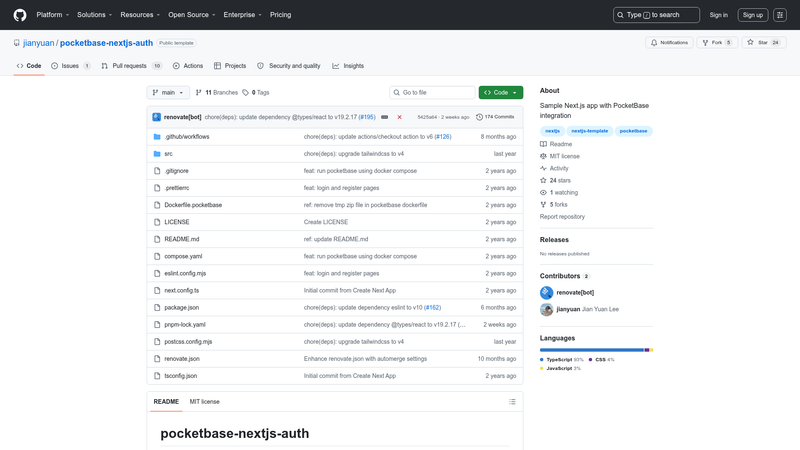
A Next.js boilerplate demonstrating PocketBase auth, server actions, and typed clients.
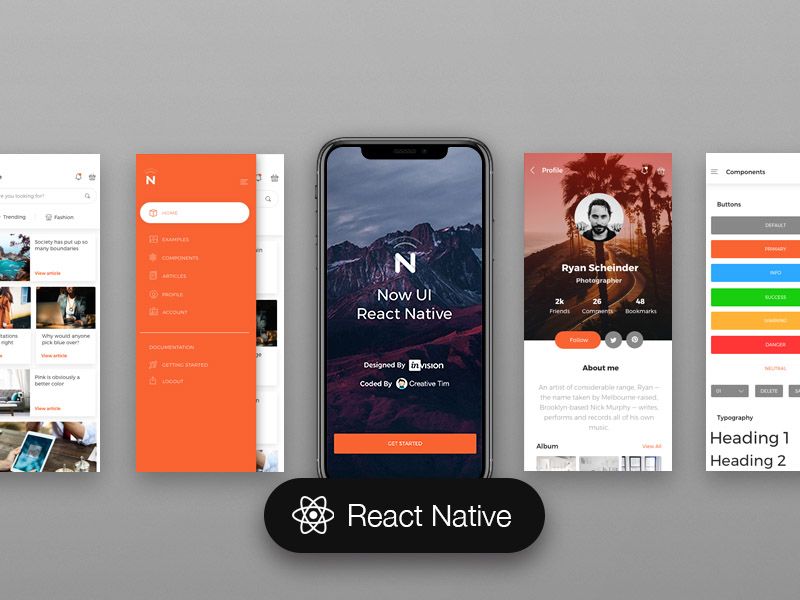
A free, fully coded React Native app template by Creative Tim with 200+ UI components, built on Galio and Expo.
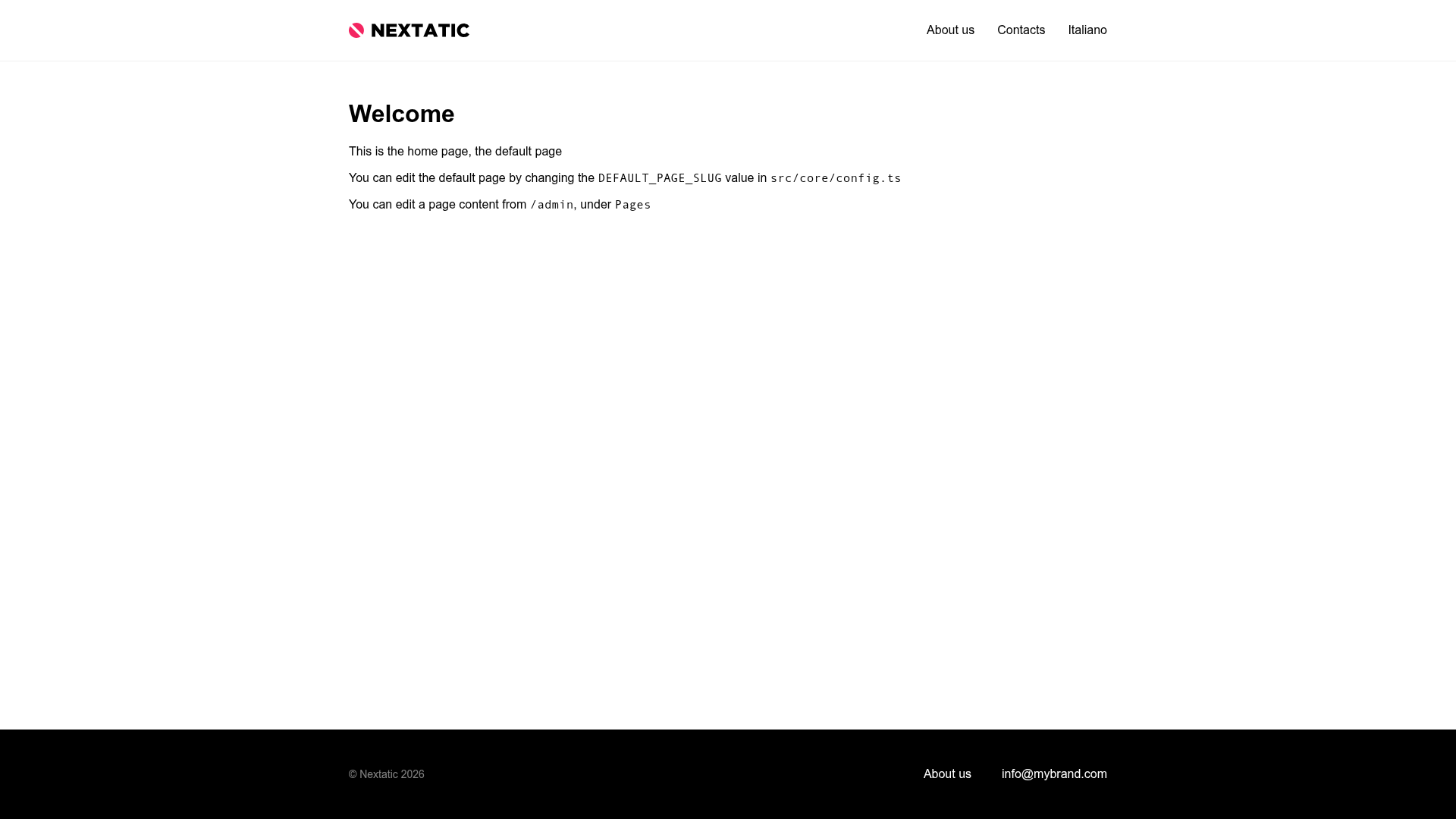
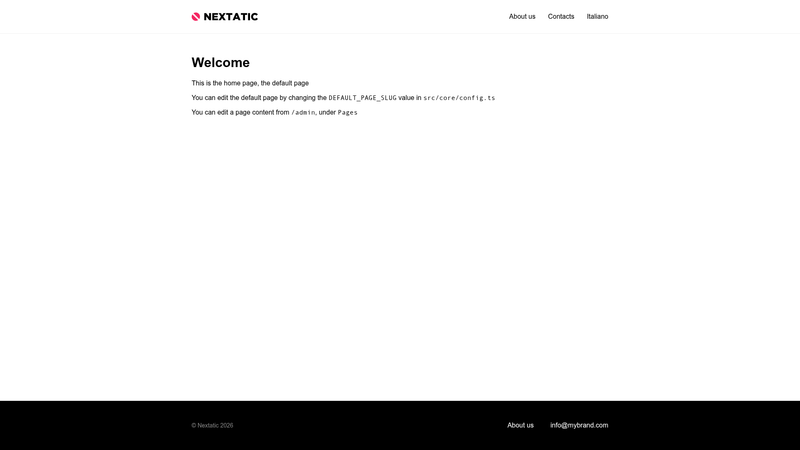
Nextatic is an open-source boilerplate for building fully static multi-language websites with Next.js, Netlify CMS, SCSS, and TypeScript, handling CMS content, routing, and i18n out of the box.
Nextatic is a starter template that combines Next.js, Netlify CMS, SCSS, and TypeScript to produce a fully static website deployable to any static host. It takes content edited through Netlify CMS, configured in public/admin/config.yml, and generates the site into a dist folder via the npm run export command. The project is authored by tancredi and is a fork of the iammary/nextjs-netlifycms-ts-starter repository. It provides a pre-configured admin interface at /admin for editing content, with authentication handled by Netlify.
npm run export builds the site into a dist folder, so it can be deployed to Netlify or any other static hosting service.i18n.locales and i18n.default_locale keys of public/admin/config.yml), with support for changing locales./[locale]/[page-slug] pattern, and both pages and navigation are populated from CMS entries, editable by non-developers.src/page-components/DefaultPage.tsx) and content utility functions in src/utils/content that merge the default-language entry with translated fields./admin in the browser, using Netlify authentication for content authors.npm run export) and publish directory (dist)./admin, editors can change text, create new pages, and manage navigation without touching code.src/models that match definitions in the CMS config, then map them to page components.The core routing in src/pages uses a single dynamic route [locale]/[slug].tsx. This route loads the localized content for a page entry from the CMS and passes it to src/page-components/DefaultPage.tsx, or to another component mapped to that slug in src/page-components/index.ts. The src/utils/content methods handle merging the default language entry with translated entries, so the front-end gets a complete localized object. Because i18n on Netlify CMS is in beta, the i18n.structure setting must remain multiple_folders, which stores each language's entries in separate folders (e.g., content/en/ and content/it/).
To deploy correctly on Netlify, set the build command to npm run export and the publish directory to dist. The admin interface at /admin relies on Netlify authentication, so the site should be hosted on Netlify (or another service that provides the required auth callbacks) for the CMS editor to work.
Yes, the boilerplate is open source and the repository is public. There are no licensing fees mentioned in the documentation; you only need to provide your own static hosting and Netlify account (if you use the provided admin authentication).
The default configuration includes English (en as the default locale) and Italian (it). You can change or add locales by editing the i18n.locales and i18n.default_locale keys in public/admin/config.yml. The changes take effect immediately because the source reads settings directly from the CMS YAML configuration.
After running the project locally or deploying it, navigate to /admin on your site. You'll authenticate via Netlify, then you can edit collections and fields defined in public/admin/config.yml. Pages and navigation created in the CMS appear at routes like /en/my-page.
The boilerplate assumes most content lives under the /[locale]/[page-slug] route, for example /en/my-page. If you need a flatter URL structure or routes that don't fit this pattern, you'd have to strip out a significant amount of the built-in routing logic, and the author suggests starting from scratch instead.
You can model new CMS entry types in src/models, as long as the model matches the definitions in public/admin/config.yml. Then map the new entry to a page component in src/page-components/index.ts so it renders with the route logic.