Newsletter
Join the Community
Subscribe to our newsletter for the latest news and updates

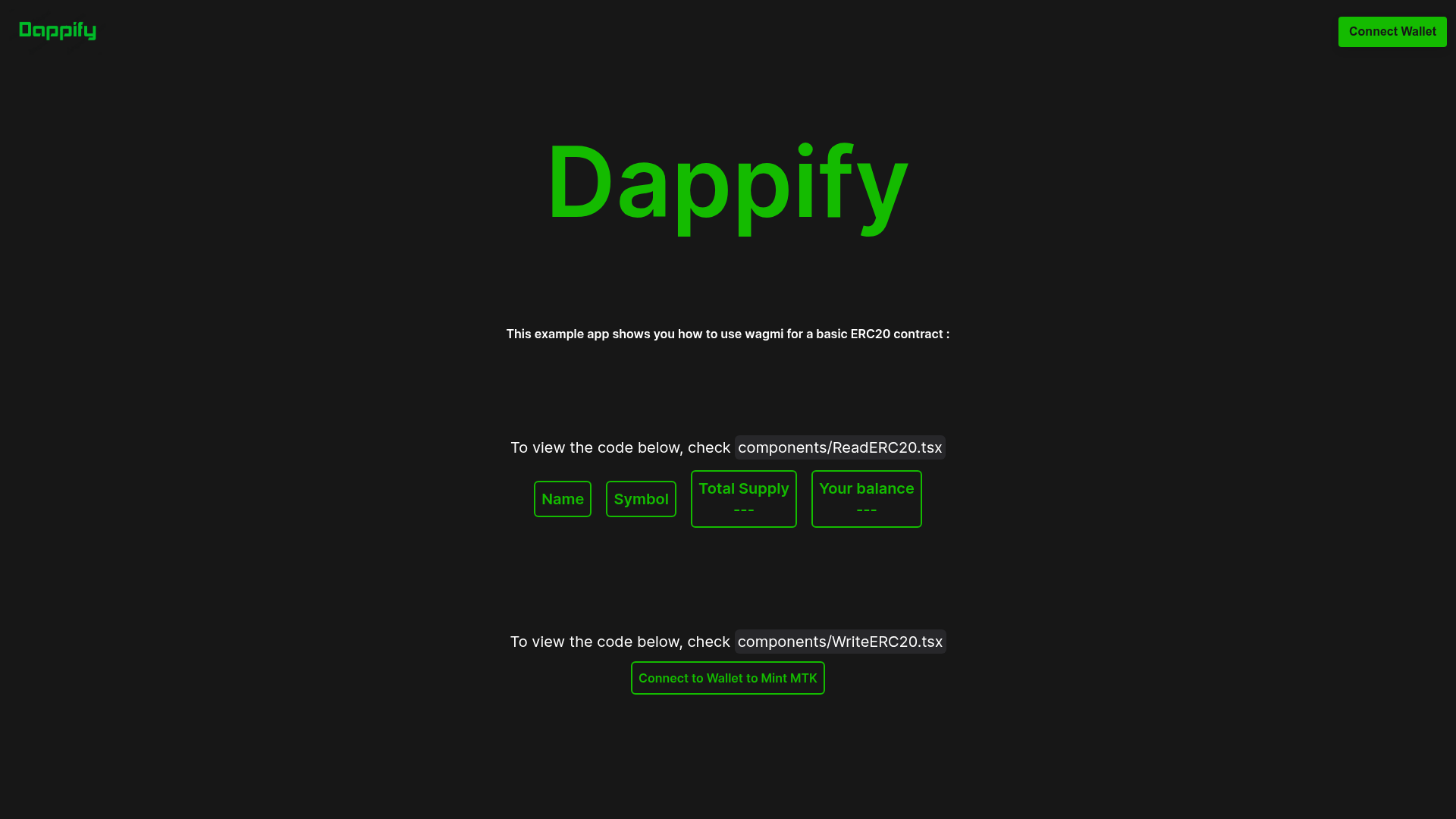
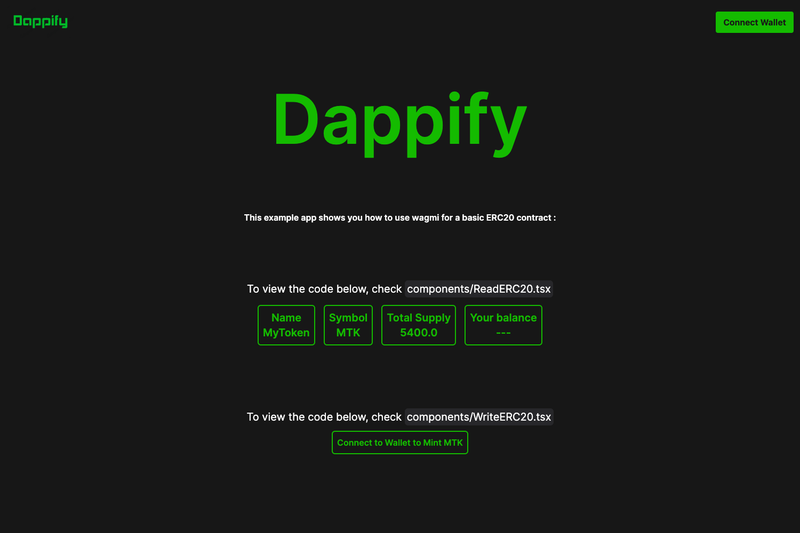
Next.js 13 dApp development kit with RainbowKit, Wagmi, and Tailwind CSS integration.
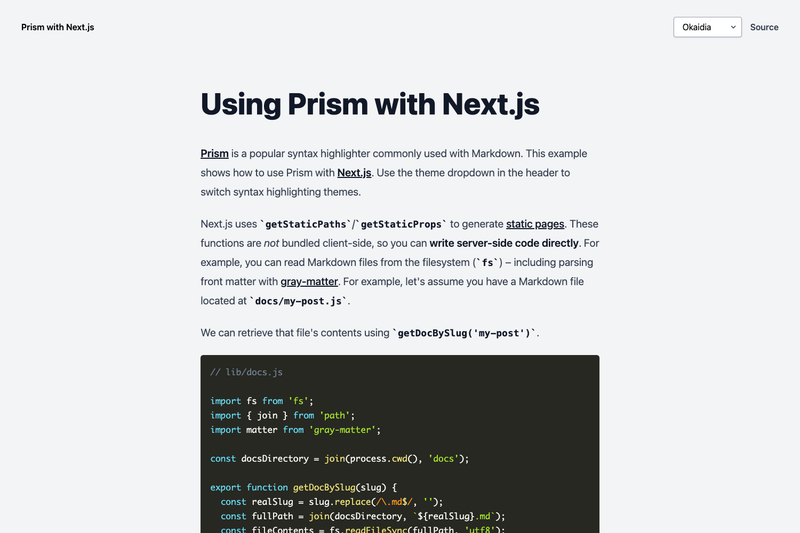
Example using Prism / Markdown with Next.js including switching syntax highlighting themes.
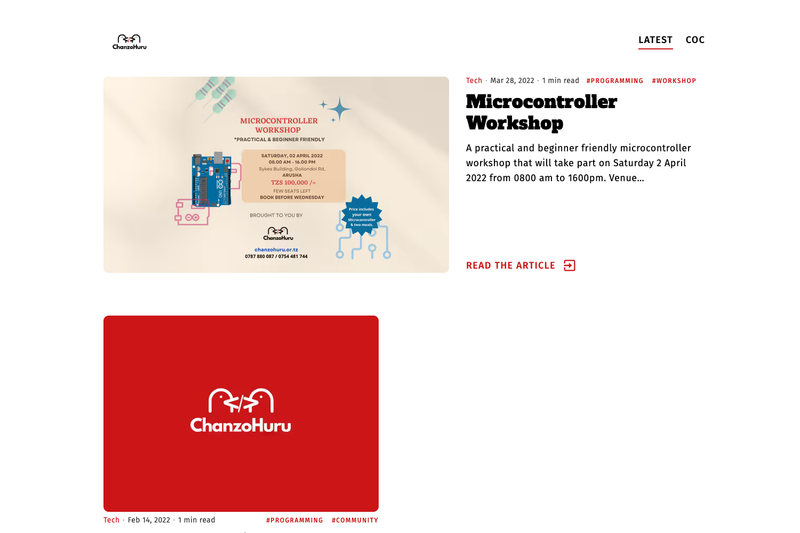
ChanzoHuru is a Gatsby starter based on the Gatsby Advance Boilerplate, providing a pre-configured React foundation for building static websites.
Deploy Express backends using the Bun runtime.
An Eleventy starter project using Tailwind CSS and Alpine.js that deploys to Netlify
Use AWS S3 to upload images to a bucket from a Next.js application.
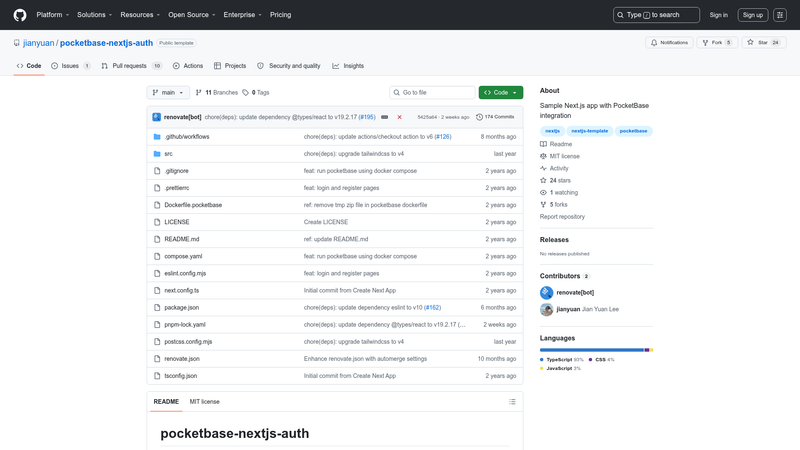
A Next.js boilerplate demonstrating PocketBase auth, server actions, and typed clients.
Dappify is a Next.js 13 dApp development kit — a boilerplate template that scaffolds a wallet-connected decentralized application with RainbowKit, Wagmi, Ethers.js, and Tailwind CSS.
Dappify is an open-source starter template built on Next.js 13's App Router. It takes the core setup of a decentralized application — wallet connection, smart contract integration, value conversion, and styling — and packages it into a ready-to-run project. The template is maintained by Srinivas Joshi and available on GitHub. It outputs a working dApp with client-side rendering utilities and a configuration file for WalletConnect, chains, Wagmi, and toast notifications.
app, components, contracts, utils, and public folders.tailwind.config.js and utility-first styling, so you can style components without leaving your markup.projectId in utils/providers.tsx.contracts folder stores contract references and utils/contractInfo.ts holds the contract address and ABI.tsconfig.js file is included.utils/clientOnly.tsx to handle components that should render only on the client, addressing hydration errors common in Next.js 13 web3 apps..husky folder is included for pre-commit formatting, with an npm run format script.projectId, and running npm run dev.utils/providers.tsx.contractInfo.ts utility to call contract methods with your own ABI and address.npm run format to keep the codebase consistent, enforced by Husky git hooks.Clone the repository, run npm install, then configure a WalletConnect Cloud projectId and app name in utils/providers.tsx (optionally also set the chain). Start the dev server with npm run dev. The providers.tsx file wires together the wallet, chains, Wagmi, and react-toast notifications.
Yes, Dappify is open source and available on GitHub under the SrinivasJoshi repository. There are no paid tiers or license fees mentioned; you only need a free WalletConnect Cloud account to get a projectId.
You need a WalletConnect Cloud projectId to enable wallet connections. Instructions in the README walk you through obtaining one and placing it in utils/providers.tsx.
The template uses Wagmi, which supports multiple EVM-compatible chains. The configuration in utils/providers.tsx shows where to set the chain, but the README doesn't list specific defaults.
The README suggests exploring Reactify if you're not comfortable with Next.js, so some familiarity with Next.js 13 and React is recommended. The template is structured to help you navigate common Next.js 13 hurdles like hydration errors.
contracts folder?The contracts folder is a place to store smart contract references; utils/contractInfo.ts is where you put the contract address and ABI used by your dApp.