Newsletter
Join the Community
Subscribe to our newsletter for the latest news and updates

E-commerce store built with Next.js and Stripe checkout

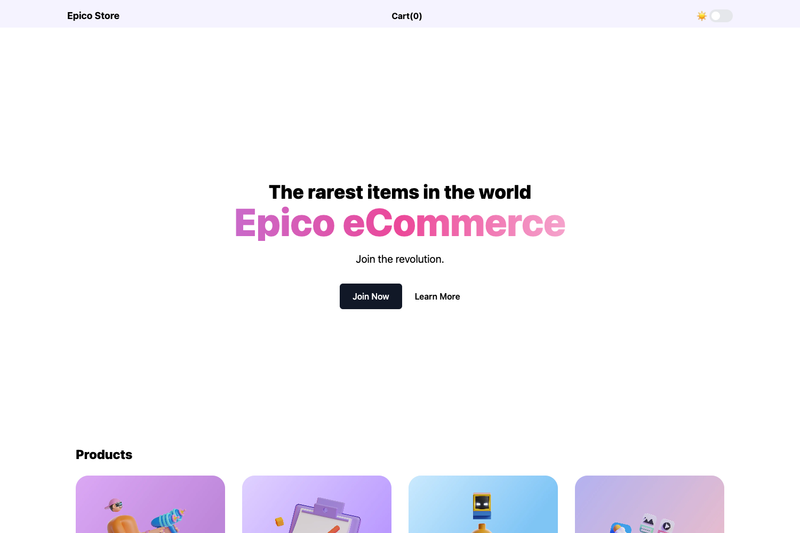
Open-source Next.js game ecommerce interface built as a React interview challenge with Chakra UI and Vercel.
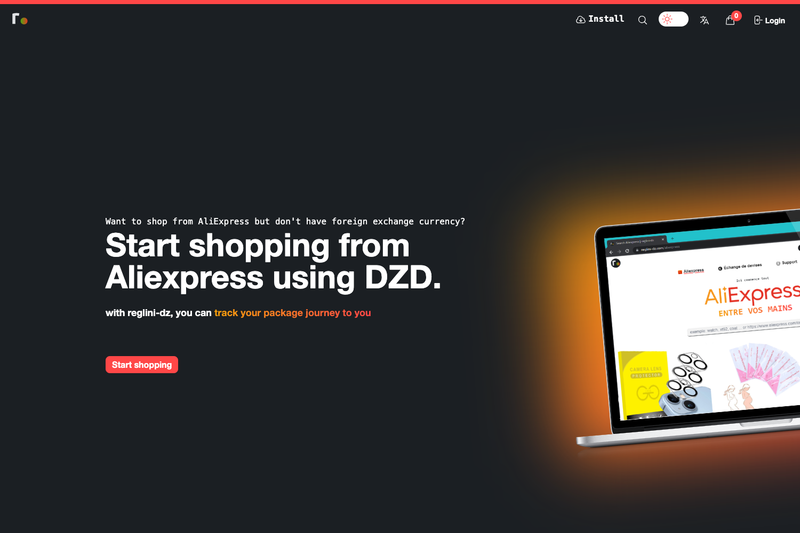
Open-source Next.js ecommerce template with Prisma, PostgreSQL, authentication, i18n, and PWA support.
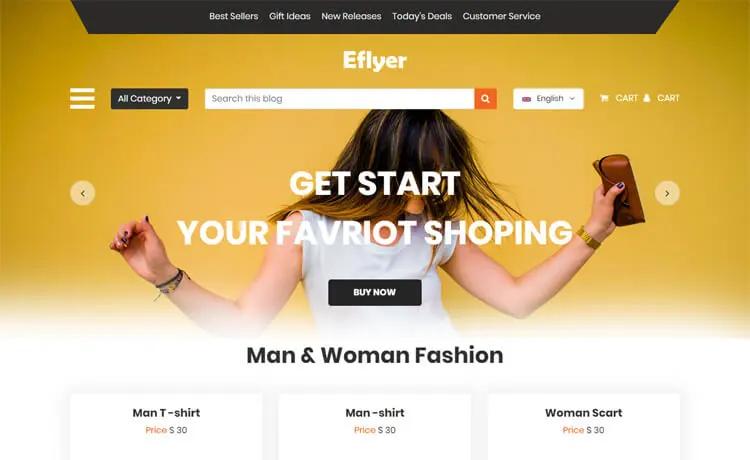
Free Bootstrap 4 HTML5 ecommerce template with hero slider, product carousels, and off-canvas navigation.
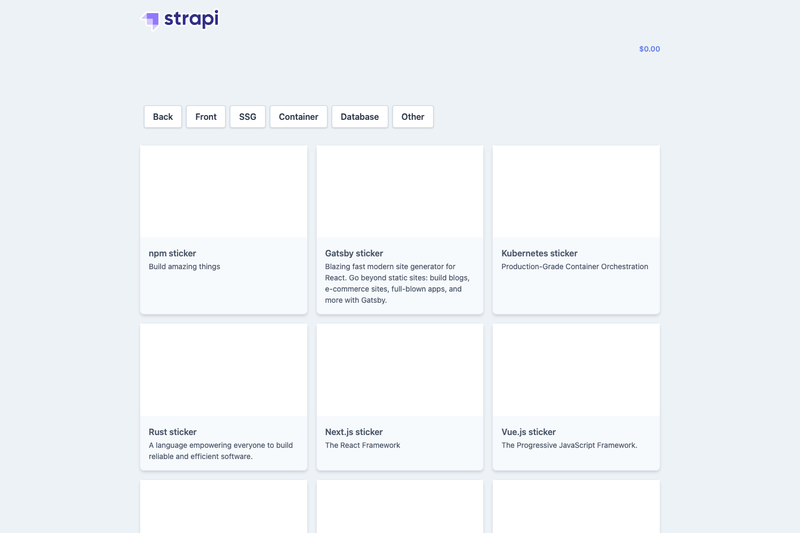
Next.js starter for building an e-commerce store with Strapi CMS, Snipcart payments, and Tailwind styling.
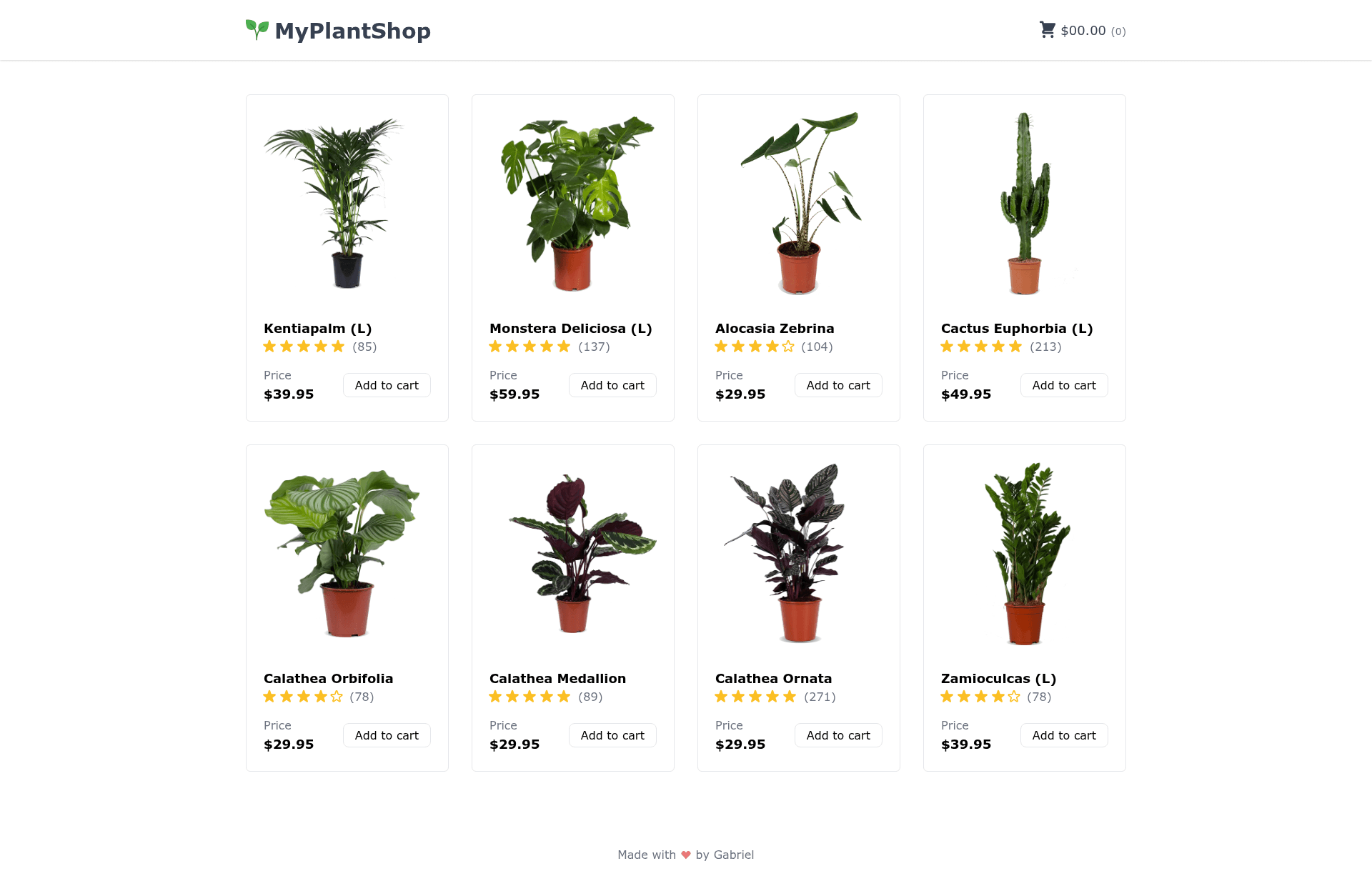
Nextjs Stripe Checkout is a public GitHub repository for an e-commerce store built on the Next.js framework using Stripe Checkout as the payment gateway, created by AlterClass.io to accompany its step-by-step tutorial.
Nextjs Stripe Checkout is a boilerplate e-commerce storefront that combines a Next.js React application with Stripe's hosted Checkout sessions. It takes Stripe API credentials and product configuration through environment variables and produces a fully functional store where customers complete payments on Stripe's payment page. The project is maintained by AlterClass.io, which also publishes a tutorial that recreates this application step by step.
.env.local file, with a .env.local.example file provided as a starting point; secrets stay out of version control.npm run dev starts the site locally; production builds use npm run build followed by npm run start.npm run dev to get a working store with payment processing.npm run build and npm run start to serve the store in production mode on Node.js.The README documents a three-step setup. First, clone the GitHub repository and install dependencies with npm install. Next, copy .env.local.example to .env.local and fill in your own environment variables, which configure Stripe and app settings. Finally, start the site with npm run dev for development, or npm run build plus npm run start for production.
Yes, you need your own Stripe API keys to process payments. The environment variable file expects your Stripe credentials; the app uses Stripe's hosted Checkout, so you also need products set up in your Stripe dashboard.
Copy the .env.local.example file to .env.local and replace the placeholder values with your actual Stripe keys and any other required configuration. Git ignores this file so your secrets aren't committed.
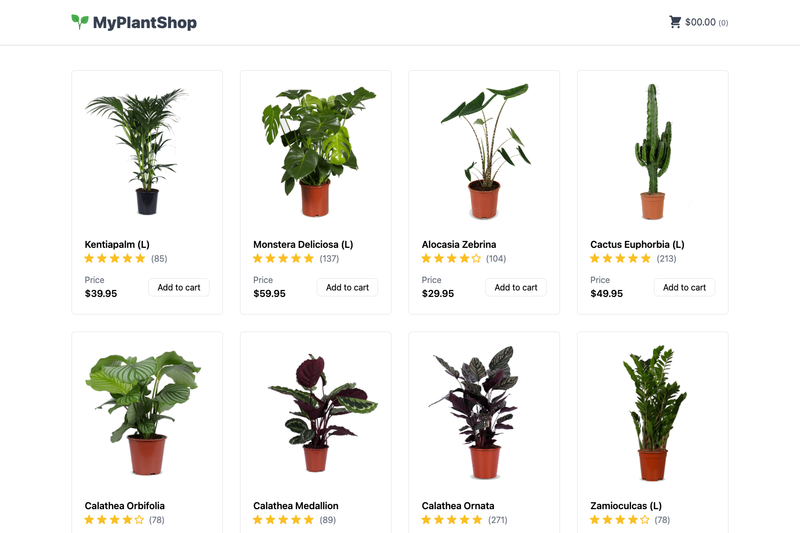
The live preview is hosted at myplantsmarket.vercel.app, so Vercel deployment works with this project. Since it is a standard Next.js app, you can connect the GitHub repository to Vercel and add the environment variables in the dashboard.
The repository itself is public and can be cloned, modified, and deployed without a paid license. No pricing information is stated in the repository description.