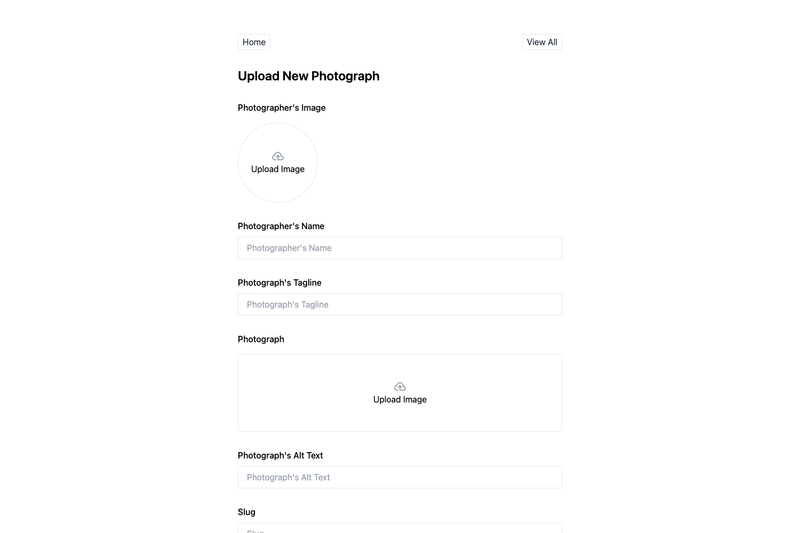
Nextjs_ts_app_ultimate_structure is a GitHub template repository that serves as a pre-configured Next.js 13 application skeleton, combining TypeScript, Tailwind CSS, Redux Toolkit, RTK Query, Jest, and CLI file generators for rapid project initialization.
What is Nextjs_ts_app_ultimate_structure?
This boilerplate is bootstrapped with create-next-app and extends the default Next.js 13 App Router setup with SSR, the app directory, and a production-oriented folder structure. It takes an empty codebase as input and outputs an application already wired with global state persistence, data-fetching services, styling, linting, and test tooling. The project is publicly hosted on GitHub and runs on Node v19 as specified in its README.
Key Features
- Next.js 13 App Router — Uses the app directory with SSR and Router, supporting server-side rendering out of the box.
- TypeScript — The entire codebase is written with TypeScript type hints for safer refactoring.
- Tailwind CSS — Styling uses Tailwind, configured through PostCSS.
- Redux Toolkit & RTK Query — Global state is managed with Redux/Redux Persist, while services are built on RTK Query for data fetching.
- File generators —
npx generate-react-clicommands create components, routes, screens, or services from templates. - Jest & Testing Library — Unit and integration test coverage is pre-installed.
- ESLint — A linter enforces code style consistently.
- Husky & health workflows — Git hooks and health code workflows are part of the repository setup.
Who is it for?
- New project starters — Developers who want a ready-made Next.js 13 structure instead of manually configuring Redux, Tailwind, and Jest.
- Teams enforcing code quality — Groups that need ESLint, Husky pre-commit hooks, and a testing library from the first commit.
- Redux Toolkit users — Projects that depend on RTK Query for API calls and Redux Persist for state persistence.
What can you do with it?
- Scaffold a new app — Run
npm run dev(with Node v19) to start the development server at localhost:3000, then editapp/page.tsxfor live updates. - Generate new files — Use
npx generate-react-cli component Boxto create a component, or pass--type=route,--type=screen, or--type=servicefor other file types. - Deploy on Vercel — The README links directly to the Vercel Platform and Next.js deployment docs for one-command deployment.
How does the template work?
After installing dependencies, run the development server with npm run dev on Node v19. The app responds at localhost:3000 and auto-updates when app/page.tsx changes. Instead of hand-writing every file, developers run npx generate-react-cli with the appropriate flags to generate components, routes, screens, or services.
FAQ
How do I start the development server?
Run npm run dev, yarn dev, or pnpm dev in the project root. The README specifies Node v19. Open http://localhost:3000 to view the application.
What file generation commands are available?
npx generate-react-cli component Box creates a component named Box. Adding --type=route, --type=screen, or --type=service generates those artifact types instead.
Does this template include state management?
Yes. Redux and Redux Persist handle global state, and services are implemented with RTK Query, as stated in the repository description.
What styling system does it use?
Tailwind CSS is configured via PostCSS, and the next/font module loads the Inter Google Font automatically for optimized typography.
Can I deploy this to Vercel?
Yes. The README provides a direct link to the Vercel Platform and references the Next.js deployment documentation, making Vercel the recommended hosting option.