Newsletter
Join the Community
Subscribe to our newsletter for the latest news and updates

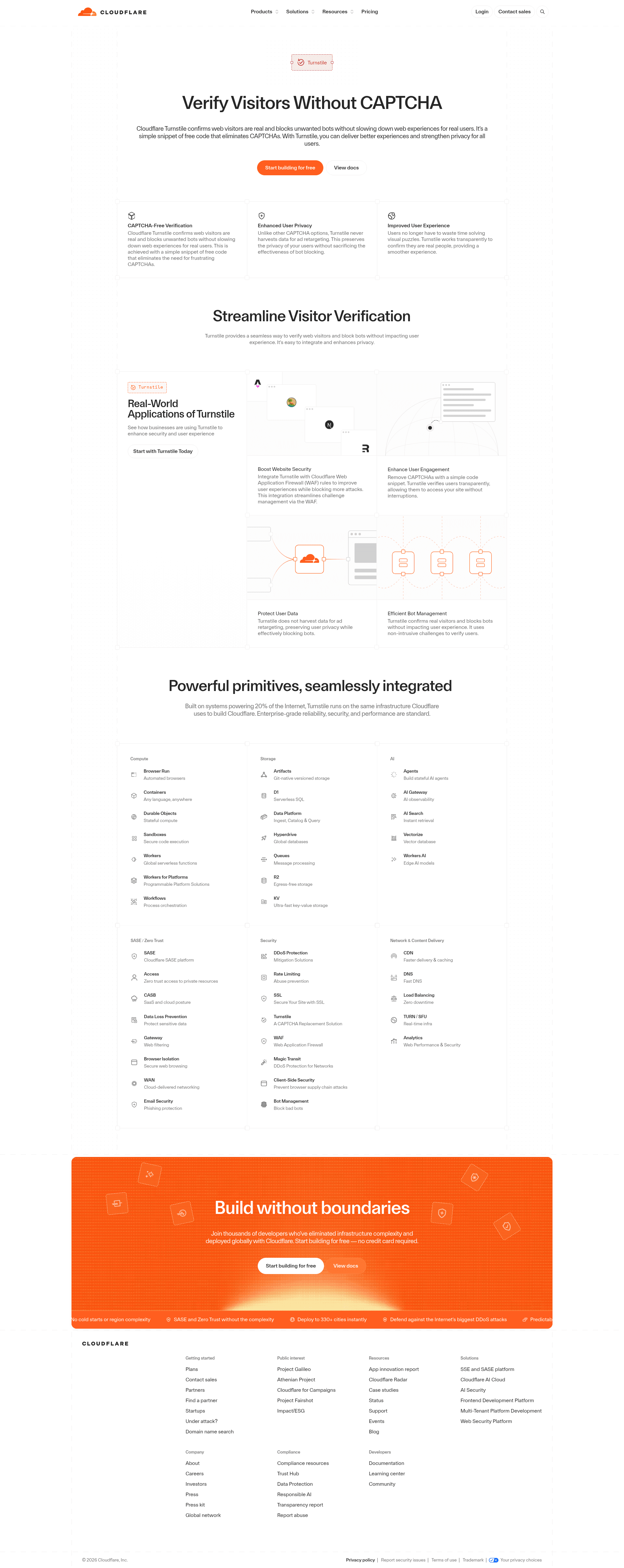
Cloudflare Turnstile bot detection for Nuxt 3 with a Vue component and Nitro server validation.
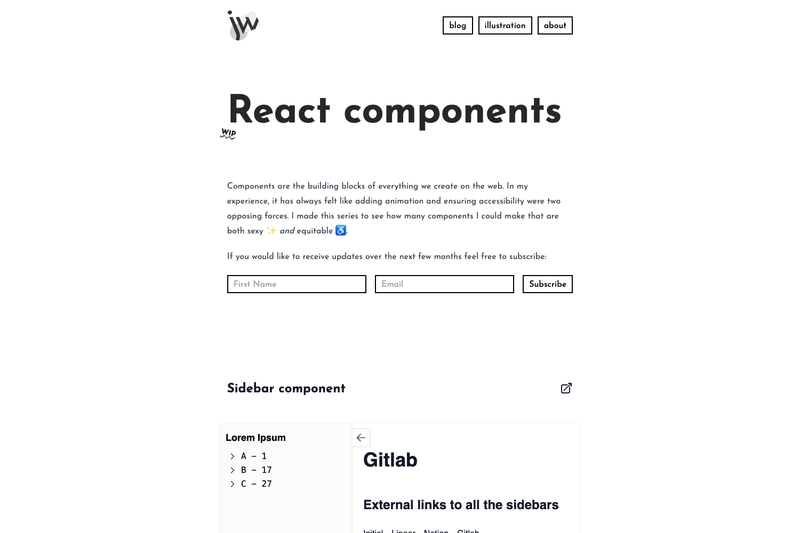
A GitHub series building accessible and animated React components with Radix UI, Framer Motion, and Tailwind CSS.
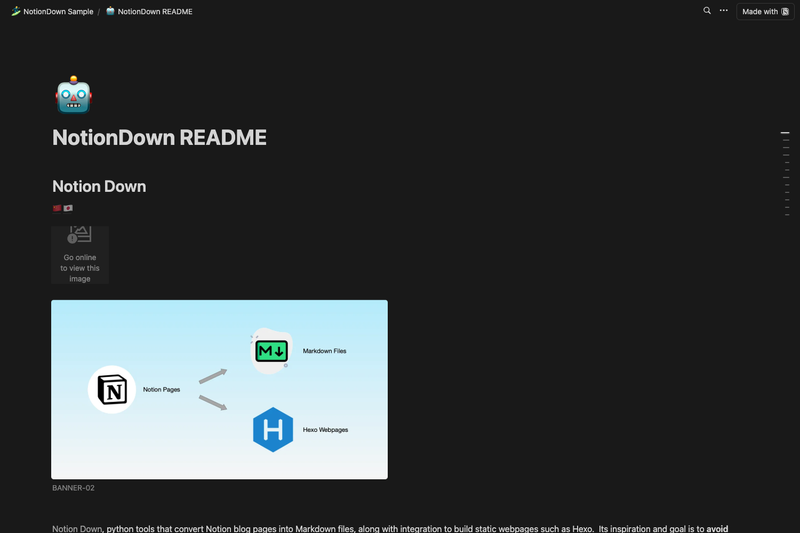
Notion >> Markdown. Python utility that converts Notion pages into MD files, along with integration to build static webpages such as Hexo.
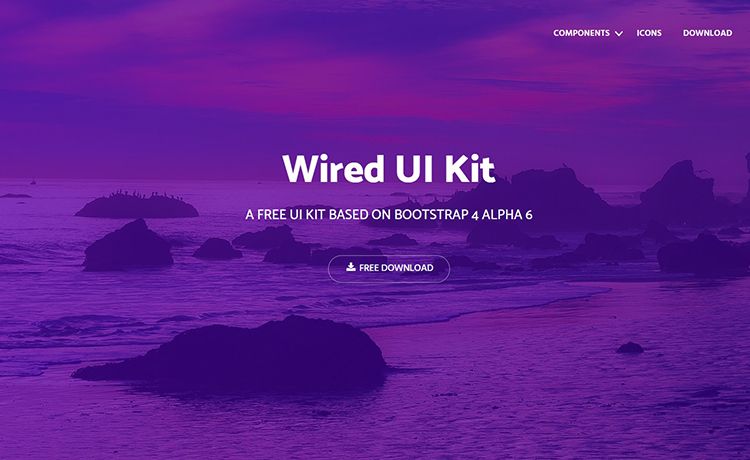
Free Bootstrap 4 UI kit with 60+ redesigned elements, dark and default layouts, and a sample landing page.
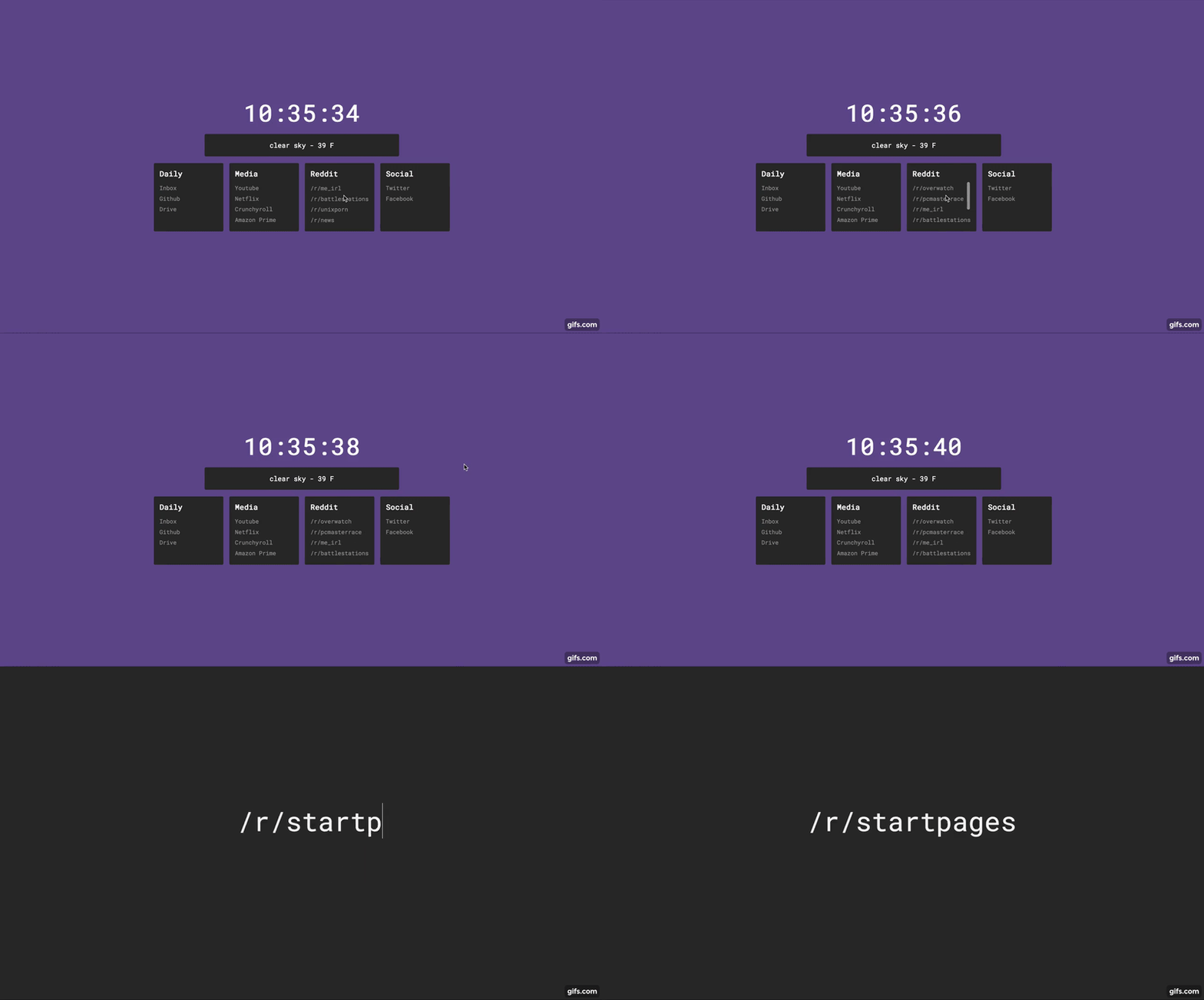
A customizable local browser startpage with bookmarks, search overlay, clock, and weather, themed via CSS variables.
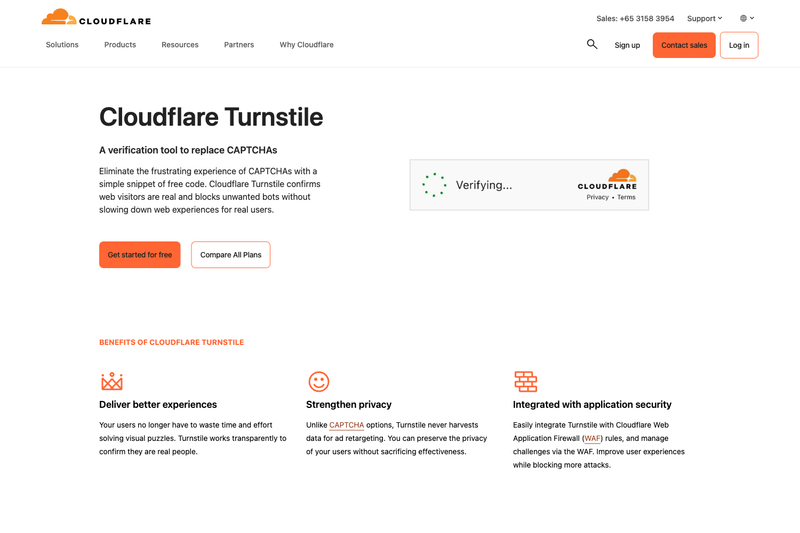
Nuxt Turnstile is a Nuxt 3 module that integrates Cloudflare Turnstile, a privacy-focused CAPTCHA alternative, into your application with a client-side Vue component and a Nitro server validation helper.
Nuxt Turnstile is an open-source Nuxt 3 module that wraps Cloudflare Turnstile, a non-interactive bot-protection service, into a drop-in integration. It provides an auto-imported <NuxtTurnstile> Vue component for generating tokens on the client and a verifyTurnstileToken utility for validating those tokens in Nitro server routes. The module is published on npm as @nuxtjs/turnstile, maintained by the Nuxt module team, and released under the MIT license.
verifyTurnstileToken can be called in any Nitro event handler (for example, in a server/api/validateTurnstile.ts route) to check tokens against Cloudflare's siteverify endpoint.turnstile.addValidateEndpoint: true in nuxt.config generates a ready-made /_turnstile/validate endpoint that returns the verification result.<NuxtTurnstile> component, keeping the rest of your app fast.NUXT_PUBLIC_TURNSTILE_SITE_KEY and NUXT_TURNSTILE_SECRET_KEY environment variables, plus read the secret from a build-time file via turnstile.secretKeyPath.reset() method via a template ref, letting you regenerate a token after a failed submission or when the same form needs multiple validations.verifyTurnstileToken helper in any server route or use the generated validation endpoint to secure API requests.<NuxtTurnstile v-model="token" /> inside your form template and send token along with the other fields when submitting.verifyTurnstileToken(token) inside a defineEventHandler to reject requests with invalid or missing tokens.addValidateEndpoint and POST a token to /_turnstile/validate from anywhere in your client code.reset() method so the form can be submitted again, since Cloudflare tokens are single-use.Start by obtaining a free site key and secret key from Cloudflare's Turnstile dashboard, then install the module with npx nuxi@latest module add turnstile. Configure the site key in nuxt.config under the turnstile key and optionally set the secret key in runtimeConfig (or point to a file with turnstile.secretKeyPath). On the client, the <NuxtTurnstile> component auto-loads the Turnstile script, generates a token, and binds it to your model. When a form submits, pass the token to a server route, where verifyTurnstileToken calls Cloudflare's API. Tokens are invalid after one successful verification, so call reset() for any subsequent submission.
reset() call; the module targets Nuxt 3 only, so Nuxt 2 projects need a different approach.Yes. The module is open source under the MIT License, and Cloudflare Turnstile itself offers a free plan for sites of any size, so adding CAPTCHA protection does not require a paid subscription.
Sign up for Cloudflare Turnstile in the Cloudflare dashboard and create a new widget. Turnstile will issue a site key and a secret key; put the site key in your nuxt.config and the secret key in runtimeConfig or as the NUXT_TURNSTILE_SECRET_KEY environment variable.
A generated token expires after 300 seconds (5 minutes). The Nuxt Turnstile module automatically revalidates the token after 250 seconds, so by default your forms will always have a fresh token on the page.
Usually no. Cloudflare Turnstile uses a non-interactive challenge that runs in the background for most real users. Only when the risk score is ambiguous does it ask for a simple interaction (like clicking a checkbox or selecting an image).
No. The module is built specifically for Nuxt 3 and its Nitro server engine. If you are on Nuxt 2, you would need a different Turnstile integration or to wait for an official compatibility layer.