Newsletter
Join the Community
Subscribe to our newsletter for the latest news and updates

A simple starter template for building platforms on Vercel.
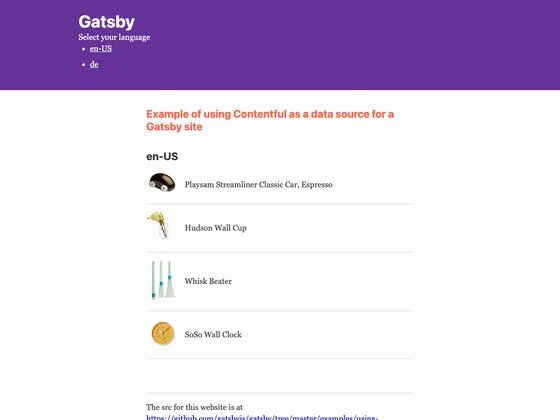
Gatsby starter with Contentful and i18n plugin for a language switcher with bilingual content (en-US, de).
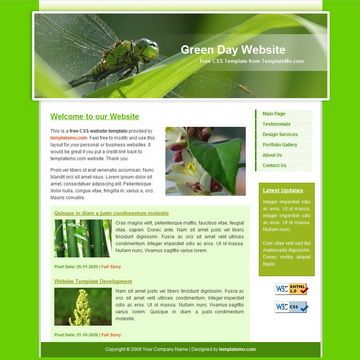
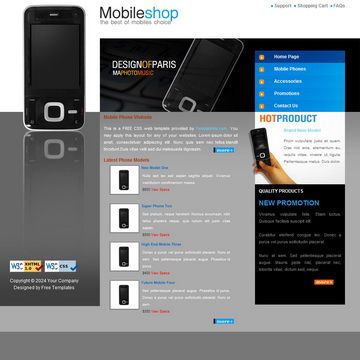
Free 2-column green HTML CSS website template from templatemo, editable for commercial or non-commercial use.
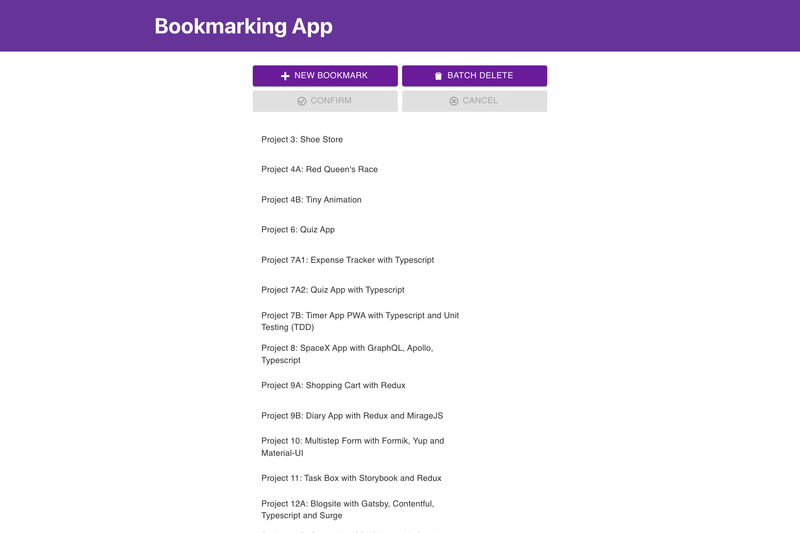
A serverless JAMstack bookmarking app built with Gatsby, FaunaDB, GraphQL, Netlify Functions, and TypeScript.

Official Next.js 13 + NextUI v2 starter with Tailwind CSS, TypeScript, and dark mode.
Sveltekit Platforms is a Vercel-focused starter template for building multi-tenant platform applications with SvelteKit, where each subdomain of your domain maps to a different app configuration.
Sveltekit Platforms is a starter template for building scalable multi-tenant platform applications on Vercel using SvelteKit. It takes a set of app folders under /lib/apps, each with a config.js file and Svelte components, and maps them to subdomains of your domain at request time. The template is authored by brittianwarner and is available as an open-source GitHub repository.
Sveltekit Platforms is aimed at developers and teams building multi-tenant SaaS products on Vercel. Developers who want to serve different branded experiences or feature sets per customer subdomain can use it as a starting structure. It also suits developers familiar with SvelteKit who want a minimal, unopinionated base for platform-style routing without a full framework like Next.js.
Deploy the template to Vercel with the Deploy button, then clone the repository. Each app lives in /lib/apps with a config.js file that maps routes to components. When a request arrives, the template reads the subdomain from the URL host, looks up the corresponding app folder, and renders that app's components. Local development uses the APP_ID environment variable to simulate a chosen subdomain.
Yes. The template explicitly requires Vercel wildcard domains so that arbitrary subdomains resolve to your deployment. Without configuring a wildcard domain in your Vercel project, subdomain-based app routing won't work in production.
Create a new folder under /lib/apps with the same structure as existing apps, including a config.js file that defines the page-to-component mappings. The README notes that more documentation is coming soon.
APP_ID is used only during local development to switch which app context you are working on. You can set it in a .env file based on the .env.example provided.
No. The default repository includes example apps like app1, app2, and default, but you can extend it by adding your own app folders. The template is intentionally minimal and designed to be extended.