Newsletter
Join the Community
Subscribe to our newsletter for the latest news and updates

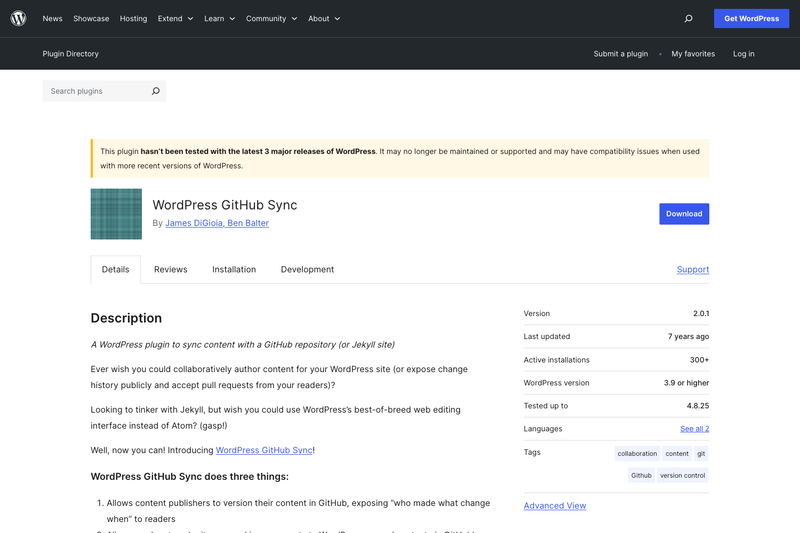
A WordPress plugin to sync content with a GitHub repository (or Jekyll site)
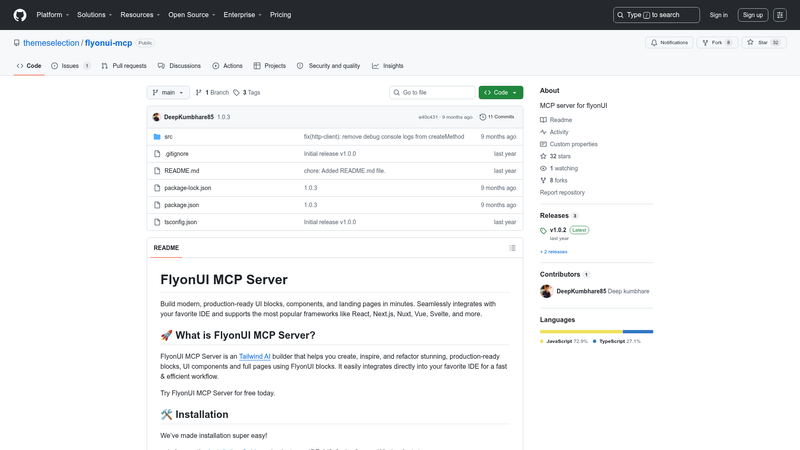
MCP server for building Tailwind UI blocks, components, and pages in your IDE using FlyonUI.
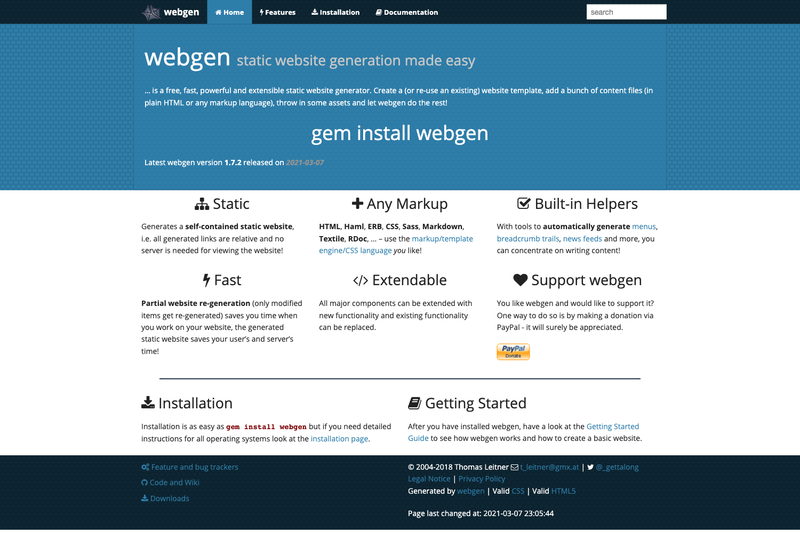
webgen is a free, GPL-licensed static website generator written in Ruby that builds HTML from markup and template files.
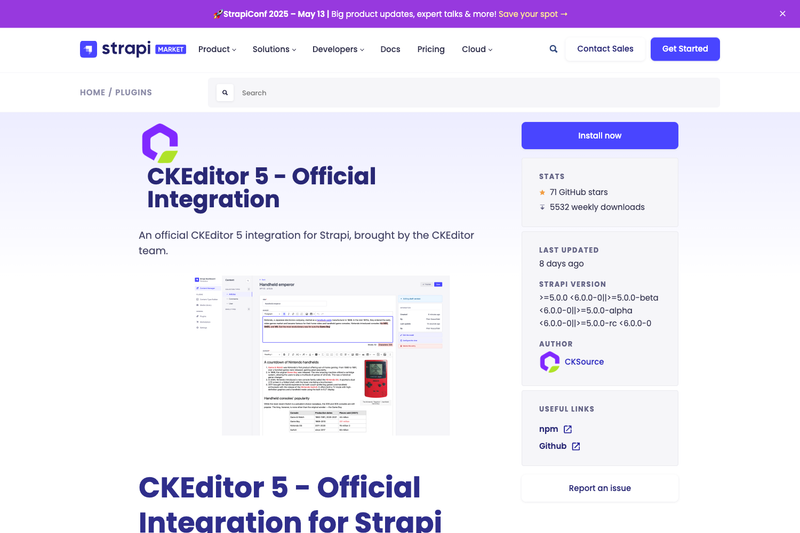
Official CKEditor 5 custom field plugin for Strapi, adding a configurable rich-text editor with presets and media library integration.
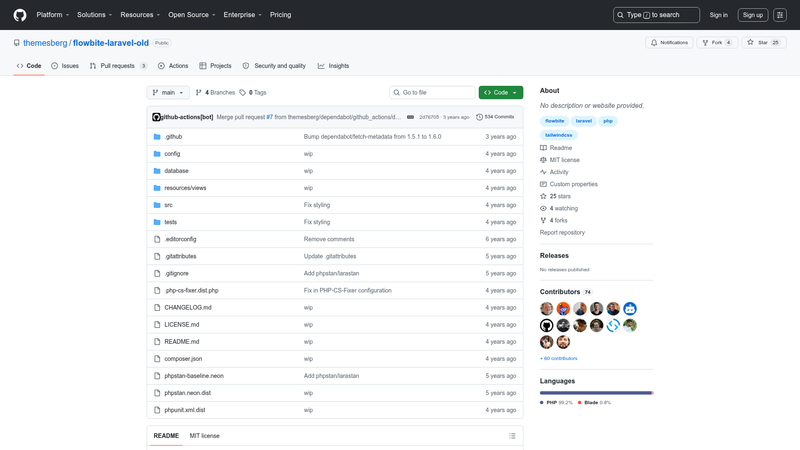
Official Laravel package integrating Flowbite UI components and Blade components with Tailwind CSS.
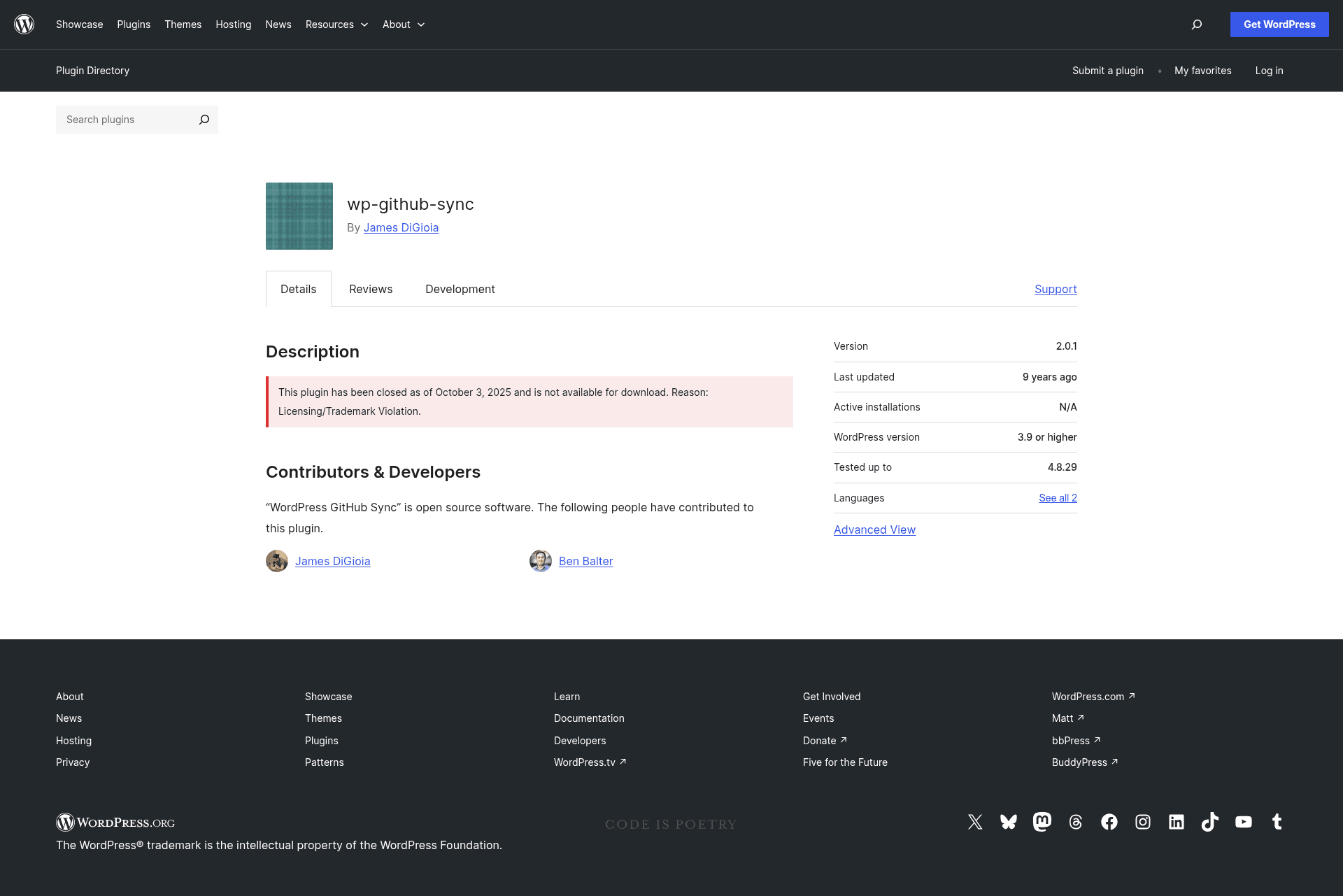
WordPress GitHub Sync is an open-source WordPress plugin (GPLv2) that synchronizes posts and pages between a WordPress site and a GitHub repository or Jekyll site, enabling version-controlled, pull-request-driven publishing. It was built by contributors JamesDiGioia and benbalter, requires WordPress 3.9 or newer, was tested through WordPress 4.8, and its stable release is version 2.0.1.
WordPress GitHub Sync is a WordPress plugin that provides two-way content sync between a WordPress installation and a GitHub repository. It takes WordPress posts and pages as input, converts each one to a .md file, and commits it to GitHub; it also listens for GitHub push events and imports changed files back into WordPress as posts. The plugin is written in PHP, installs like a standard WordPress plugin from the plugin directory, and can also be installed from source with git clone and composer install.
The plugin bundles everything needed to mirror a WordPress site in GitHub: export, import, authentication, and link helpers all ship in a single PHP plugin.
save_post hook to push content to GitHub, while GitHub's push webhook triggers an outbound API call that syncs all changed files back..md files for display on GitHub, while content is imported and exported as its original HTML; installing WP-Markdown, Jetpack's Markdown module, or JP Markdown enables true Markdown writing and conversion.master branch with YAML frontmatter (including post_title, layout, and published fields) are imported into WordPress, with an additional commit added afterward reflecting the database state.wpghs_whitelisted_post_types and wpghs_whitelisted_post_statuses filters let you export drafts and custom post types; by default only published posts and pages sync.get_the_github_view_url, get_the_github_view_link, get_the_github_edit_url, get_the_github_edit_link) plus the [wpghs] shortcode (with target, type, and text attributes) add "View on GitHub" or "Edit on GitHub" links to posts.wp wpghs export all command exports content from the command line, taking the user ID you'd like to commit as its argument.This plugin suits anyone who wants Git-based workflows attached to a WordPress content site.
Beyond the core sync loop, the plugin supports several concrete publishing workflows.
.md files straight into the Jekyll repository.Setup involves four steps: create a personal OAuth token with the public_repo scope; configure the GitHub host, repository, secret, and token on the plugin's settings page; create a webhook in the repository using the provided callback URL and secret with application/json as the content type; and run an initial export via the "Export to GitHub" button or wp wpghs export all from the command line. The repository must have an initial commit or the export will fail. After setup, saves in WordPress push content to GitHub and GitHub pushes import content back automatically.
Yes. The plugin is open source and released under the GPLv2 license. You can install it from the WordPress plugin directory or clone the source from GitHub and run composer install before activating it.
All posts are exported as .md files for better display on GitHub, but content itself is imported and exported as HTML. To write, import, and export in Markdown, install and enable WP-Markdown, or activate the Markdown module from Jetpack or the standalone JP Markdown plugin.
WordPress GitHub Sync only imports posts from the master branch. Changes committed to any other branch are ignored, so all imported posts must be merged to master before they appear in WordPress.
By default, only published posts and pages are exported. To include additional post types or draft statuses, you must add filters using the wpghs_whitelisted_post_types and wpghs_whitelisted_post_statuses hooks, which are documented in the plugin's wiki.
If the plugin cannot find the author for a given import, it falls back to the default user set on the settings page. The documentation recommends setting this user before importing from GitHub, otherwise no user will be set for the author and unknown-author revisions will occur.