Newsletter
Join the Community
Subscribe to our newsletter for the latest news and updates

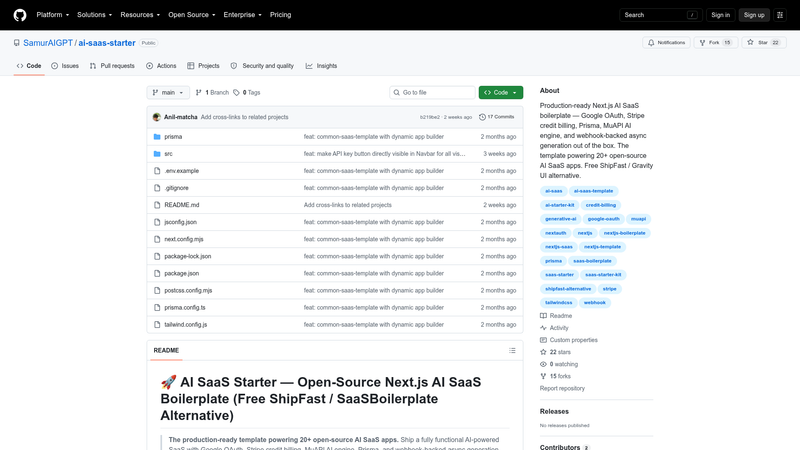
Open-source Next.js AI SaaS boilerplate with Google OAuth, Stripe credit billing, Prisma, MuAPI AI engine, and webhook-backed async generation.
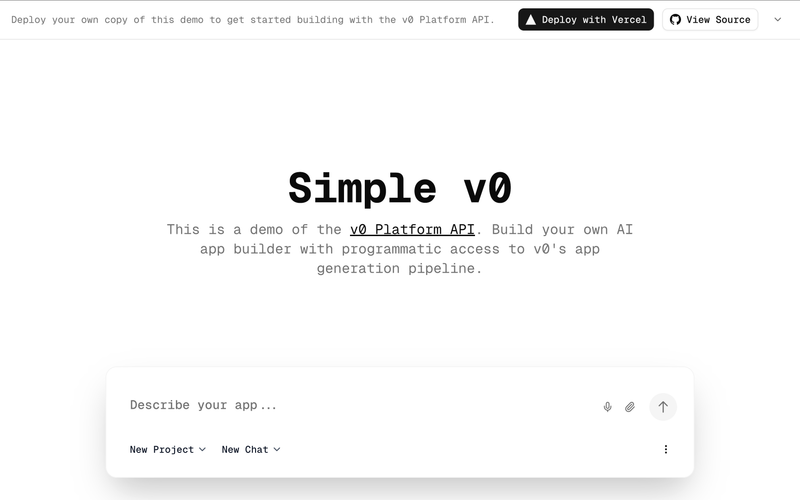
A minimal Bun-based SDK and demo for the v0 Platform API with sync and streaming examples.

A full-stack Next.js TypeScript template focused on functionality over UI, featuring Zustand, TanStack Query, and ESLint 9 support.
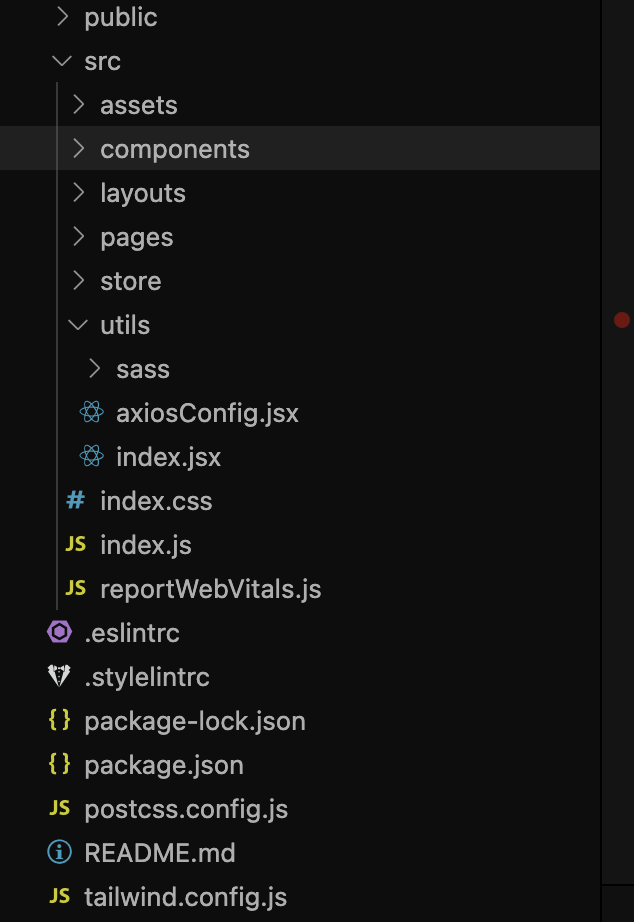
Boilerplate for projects using React, Tailwind, Redux Toolkit
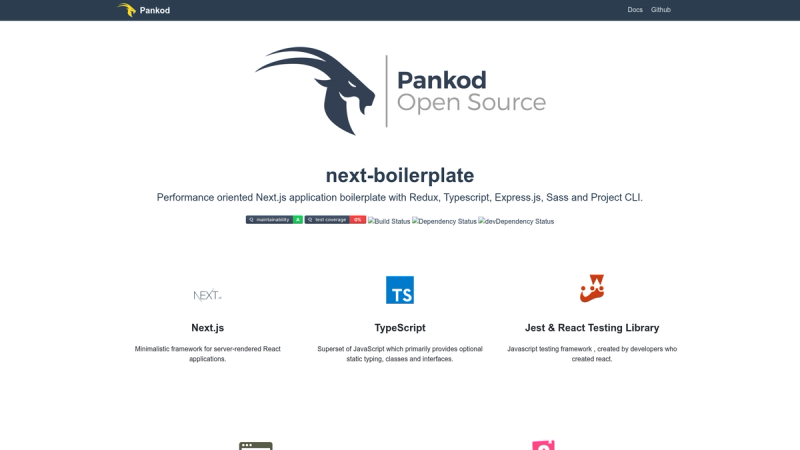
A well-structured production-ready Next.js boilerplate with TypeScript, Redux, Express.js, Sass, and a built-in CLI.

Open Source version of Indie Kit Pro to launch your SaaS in minutes with AI-native Next.js, Tailwind, Better Auth, and Stripe.
An Example of a PWA using Next.js, Material-UI, TypeScript and Auth0
AI SaaS Starter is a free, open-source Next.js boilerplate for launching a credit-based generative AI SaaS with Google OAuth, Stripe billing, and the MuAPI AI engine. It gives you a complete starting point for image, video, and audio generation apps without writing the authentication, payment, or webhook infrastructure yourself.
AI SaaS Starter is a production-ready, open-source boilerplate that scaffolds a complete AI SaaS application. The template takes your MuAPI API key and a JSON parameter schema as input, and produces a working web app with Google sign-in, Stripe credit top-ups, and asynchronous generation of media. It runs on Next.js with the App Router, React 19, Tailwind CSS v4, Prisma, and a Supabase Shared PostgreSQL pool, with NextAuth handling Google OAuth and Stripe Checkout handling payments.
/api/creations load to recover state when webhooks fail during local development..png, .mp4, .mp3), and max upload limits can be set from 1 to 10 per parameter./api/download lets users download generated images immediately without cross-origin browser restrictions.prisma db pull / prisma db push lifecycle for safely adding models to a shared PostgreSQL database..mp4, .webm, .mov) and run long-running generations with the webhook handler..mp3, .wav, .m4a) to build credit-based music or voice tools.Onboarding is a four-step process: clone the repo and run npm install, then sync the database with npx prisma db pull and npx prisma generate, configure the environment variables (Google OAuth, Stripe secrets, MuAPI key, database URLs), and run npm run dev. From the dashboard, you paste a JSON parameter schema into Launch New App, the system auto-detects field types, and the studio route renders the custom form. When a user generates, the app packages single inputs as a URL string and list inputs as an array of URLs, sends them to the MuAPI engine, and delivers the result through inline polling or a webhook.
Yes, the template is free and open-source, explicitly positioned as a free alternative to commercial Next.js SaaS boilerplates like ShipFast and Gravity UI. There is no stated pricing tier.
It integrates Stripe Checkout with a prebuilt webhook configuration for automated credit additions. You provide your own Stripe secret key, webhook secret, and publishable key via environment variables.
It uses a Supabase Shared PostgreSQL pool with Prisma Client as the ORM. Because the pool is shared, the repository warns you to run npx prisma db pull before prisma db push and to strip unrelated models from your local schema after syncing.
The template uses a two-tiered delivery: inline client polling for short tasks and a webhook handler for longer predictions. In local development, a bypass pattern polls active generations on creations load to recover state if webhooks fail.
The studio sidebar enforces the configured maxInputs limit per parameter. You can adjust the limit per-parameter between 1 and 10 in the Launch Modal before the app is created.