Newsletter
Join the Community
Subscribe to our newsletter for the latest news and updates

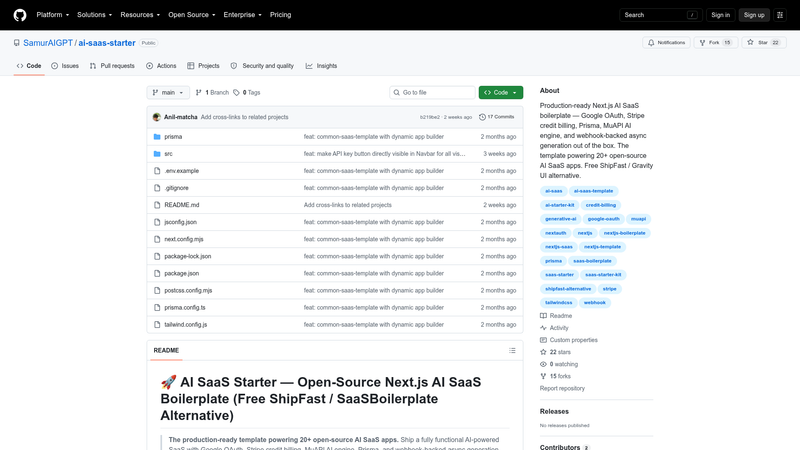
A full-stack Next.js TypeScript template focused on functionality over UI, featuring Zustand, TanStack Query, and ESLint 9 support.
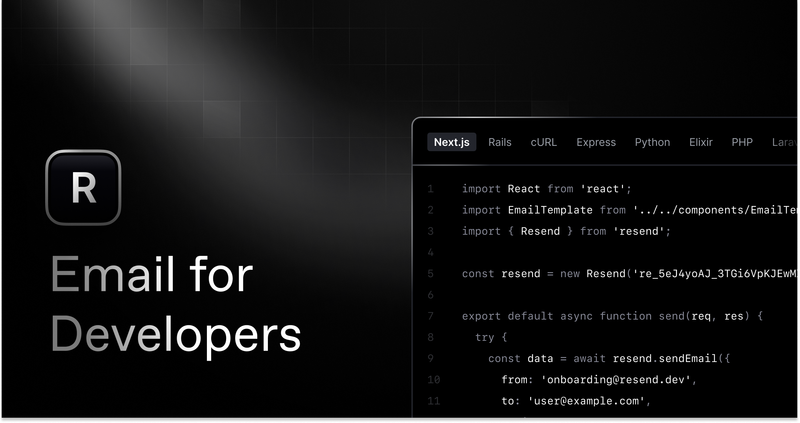
Get started creating emails with React and Resend in combination with Vercel Functions.

A persisted Next.js chat template for eve, built with shadcn/ui, Tailwind CSS, Streamdown, Better Auth, Drizzle, and Neon.
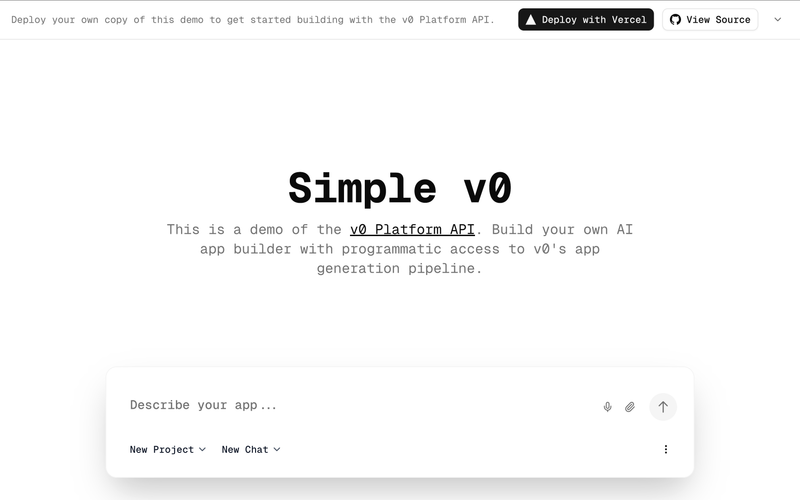
A minimal Bun-based SDK and demo for the v0 Platform API with sync and streaming examples.
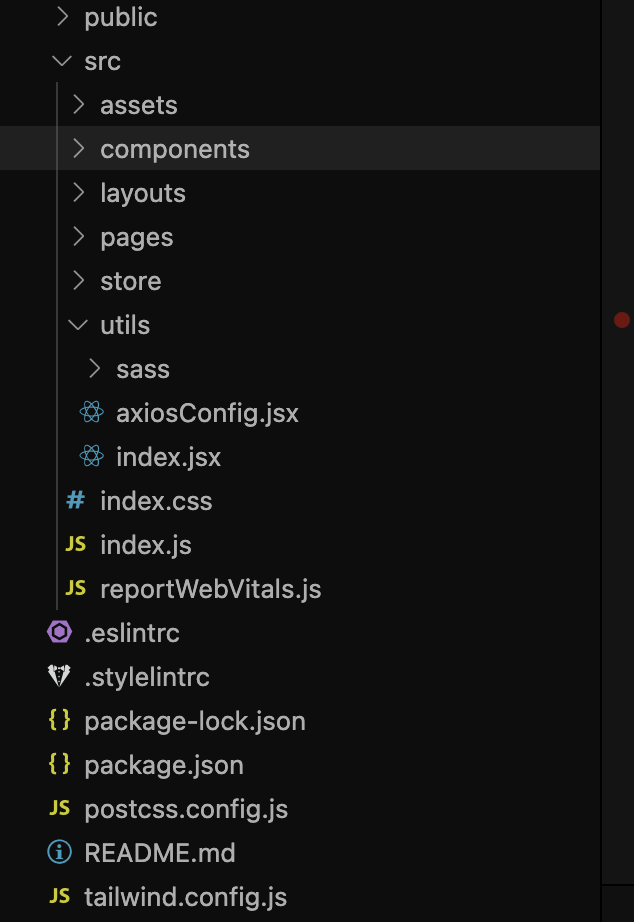
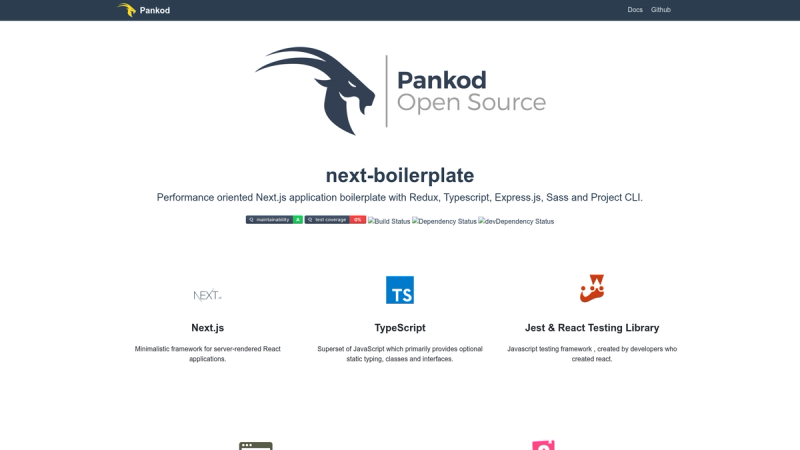
Boilerplate for projects using React, Tailwind, Redux Toolkit
nextjs-fullstack-typescript-boilerplate is a Next.js boilerplate template that provides a pre-configured full-stack foundation with cookie-based authentication, TanStack Query, Zustand, and strict code quality tooling.
It is a full-stack Next.js TypeScript template focused on functionality over UI, giving developers a monorepo structure with preconfigured state management, authentication, and DevOps workflows. It runs on Node.js 24 or later and uses pnpm as the package manager. The template includes demo credentials for admin login ([email protected] / admin) and is maintained by Nisharg Shah.
--no-verify is used).pnpm globally and ensure Node.js 24 or later is available.pnpm install to install all dependencies.pnpm dev to start the development server.The README does not mention a license or price, but it is a public repository with 46 stars, suggesting it is freely available as a boilerplate template.
Node.js 24 or later is required. The template explicitly states that only pnpm should be used; npm and Yarn are not supported.
Cookie-based authentication and authorization are implemented. Default credentials are [email protected] with password admin.
No. The template explicitly states to use only pnpm. Using npm or Yarn may break the setup, as the project is configured specifically for pnpm.
Yes, ESLint 9 support is listed as a feature, paired with Prettier and strict lint rules. Husky and lint-staged enforce these rules on every commit.