Newsletter
Join the Community
Subscribe to our newsletter for the latest news and updates

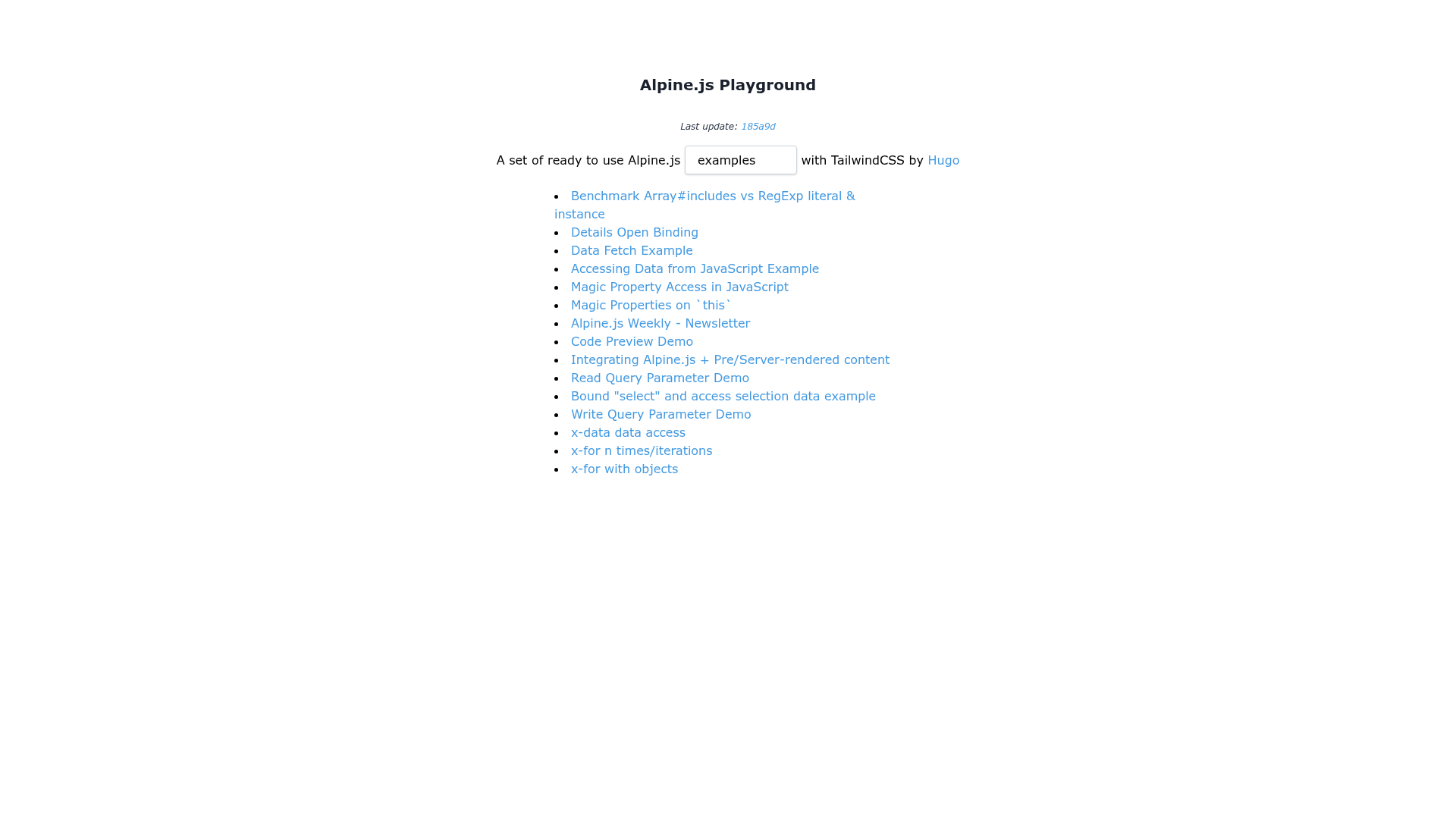
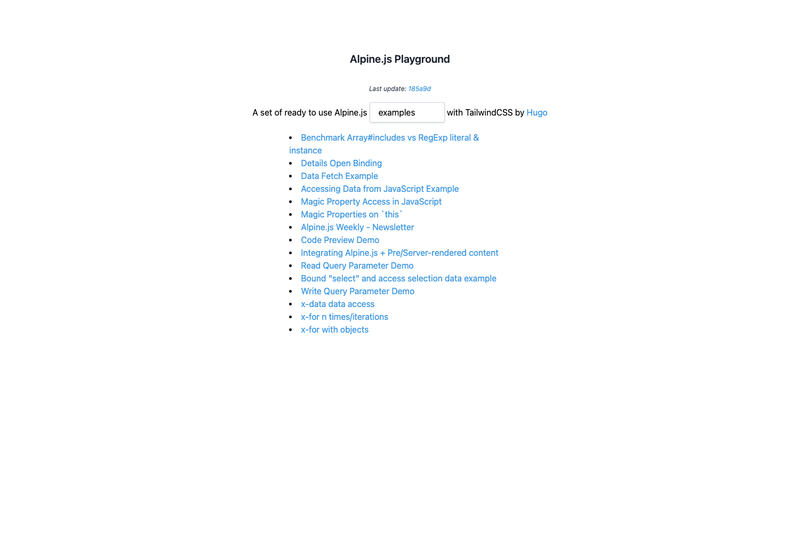
A set of ready to use Alpine.js examples with TailwindCSS

🚀 Effortlessly create and deploy your own one-link website on GitHub. A free Linktree alternative.
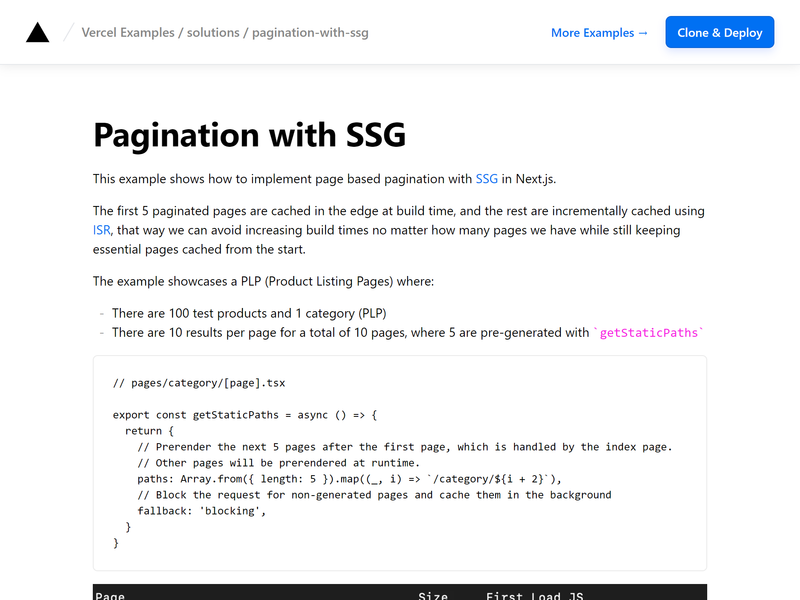
Learn to implement page based pagination with Next.js and Vercel.
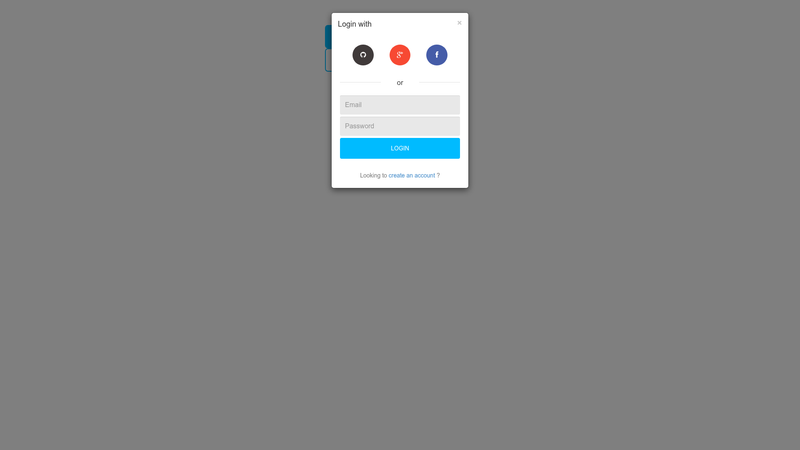
A pre-built login/registration modal UI template from Creative Tim, deployable to Genezio in one click.
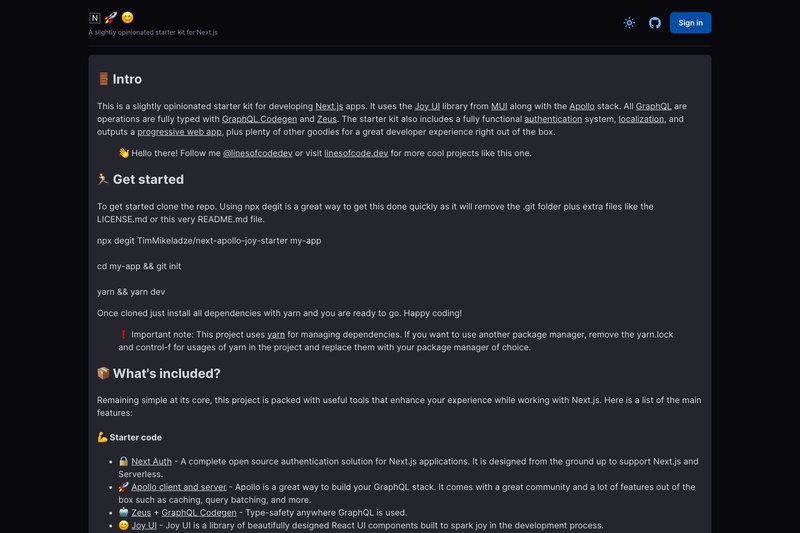
Spend more time building instead of configuring your next project. A starter kit for fully typed Next.js apps with Apollo, Joy UI, and more.

A minimal Django REST Framework API running on Vercel Serverless Functions.
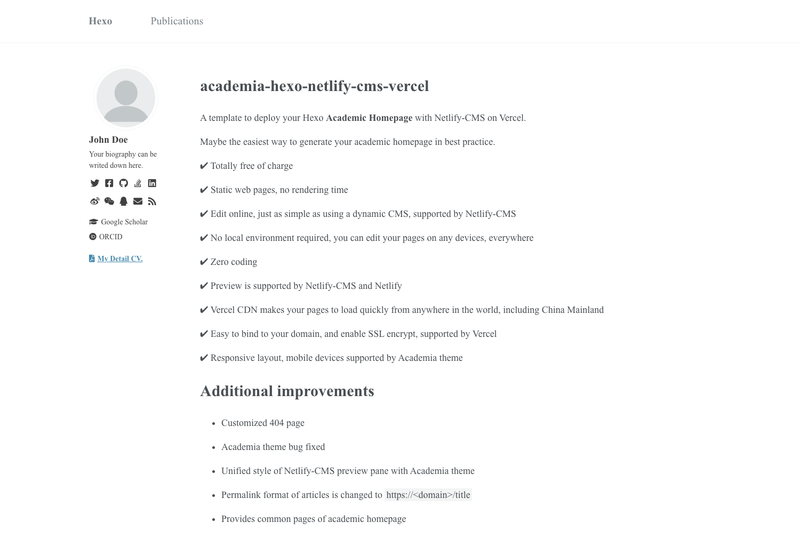
A template to deploy your Hexo Academic Homepage with Netlify-CMS on Vercel.
Alpine.js Playground is an open-source collection of ready-to-use Alpine.js example pages, styled with TailwindCSS and aggregated into a single static index page via a build script.
Alpine.js Playground is a GitHub repository containing a set of HTML example pages that demonstrate how to use the Alpine.js JavaScript framework, with every example styled using TailwindCSS utility classes. The input is the collection of example files located in the pages directory; the output is a generated index.html file that aggregates those examples into a single navigable page. The repository runs on Node 10 or newer and can be installed with either Yarn 1.x or npm. It is licensed under the MIT License and had 119 stars at the time of indexing.
pages directory contains a set of Alpine.js example pages, each focused on a specific interaction or component.yarn start starts a development server using ZEIT's serve package, allowing you to browse the examples at a local URL.yarn build generates a single index.html file from all files in the pages directory, making it suitable for static hosting.yarn format script runs Prettier on the HTML pages, keeping the example code clean and consistent.x-data, x-for, and x-show) work in concrete HTML pages, and inspect the source in the pages directory.index.html as a starting point to create a catalog of your own Alpine.js components, styled with TailwindCSS.Clone the repository and run yarn or npm install to install dependencies. After that, yarn start launches a local server for browsing examples, yarn build compiles the pages directory into an index.html, and yarn format applies Prettier to the HTML files.
Alpine.js Playground is a GitHub repository that provides a collection of Alpine.js example pages styled with TailwindCSS. The examples live in the pages directory, and a build script aggregates them into a single index.html for easy browsing.
The repository requires Node 10 (or a newer version) and either Yarn 1.x or npm. You must run yarn or npm install once to install dependencies before using the available scripts.
Run yarn start to start a local development server with the serve package; the server will display the generated site. Alternatively, run yarn build to create an index.html file that you can open in a browser.
Yes, the code is licensed under the MIT License, which permits commercial and personal use, modification, and redistribution as long as the original copyright notice is retained.
The repository topics list Eleventy, and the build process generates an index.html from individual page files. This indicates the pages are likely authored in Markdown and processed with Eleventy, though the README does not explicitly name the generator.