Newsletter
Join the Community
Subscribe to our newsletter for the latest news and updates

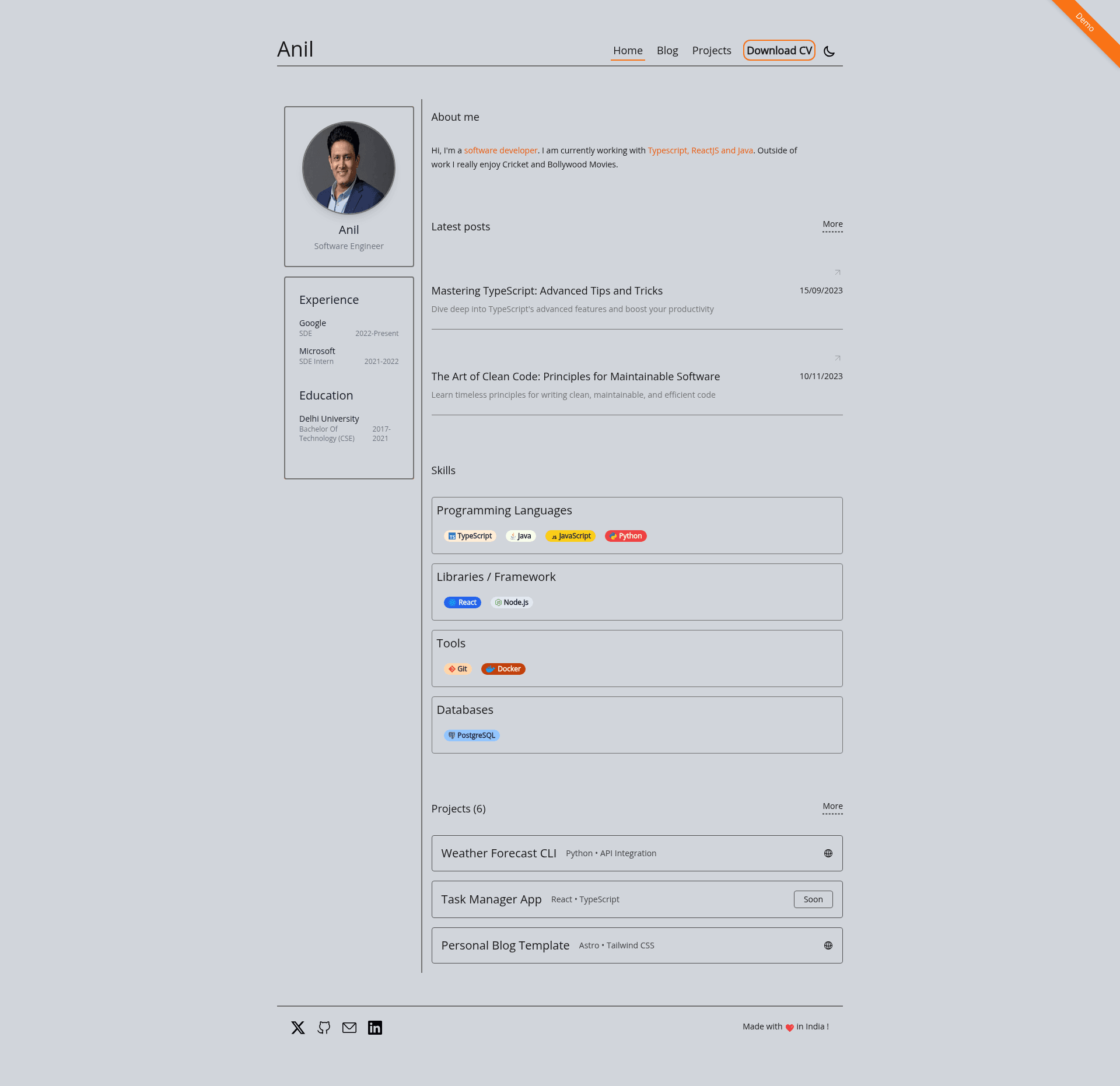
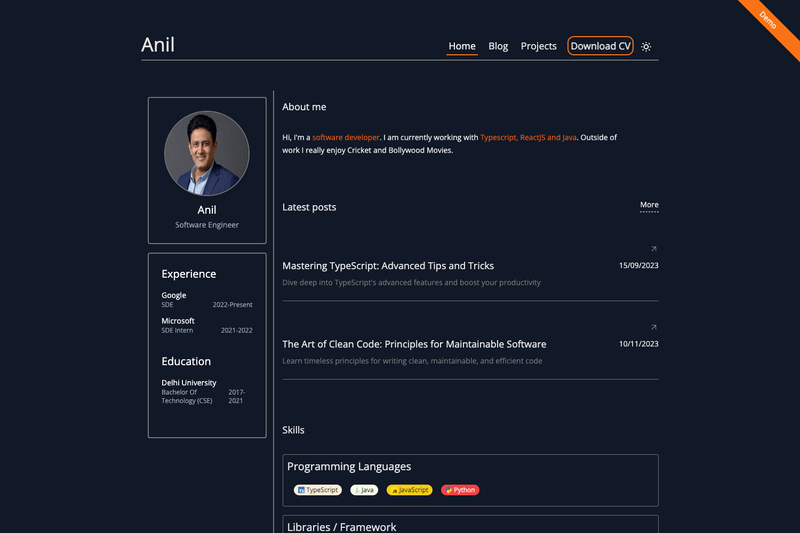
A minimalist, responsive, and customizable portfolio template built with Astro and Tailwind CSS.
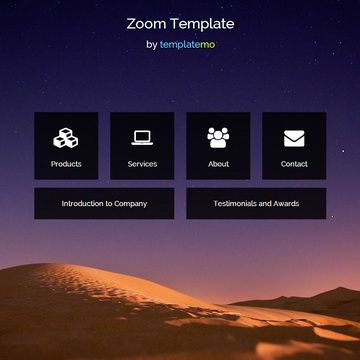
Zoom is free HTML5 website template, animated zoom in-out effects by jQuery, and faded in-out background images for different pages.
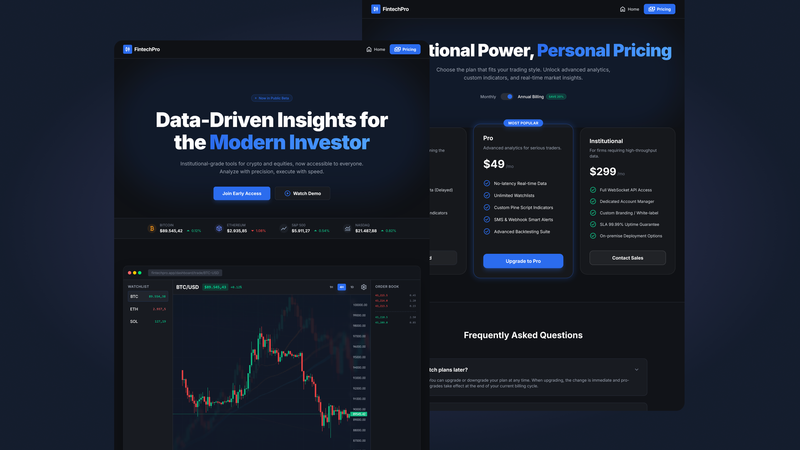
Landing page for a fintech trading platform built with Astro 5 and Tailwind CSS v4, featuring a live Binance crypto dashboard with candlestick charts.
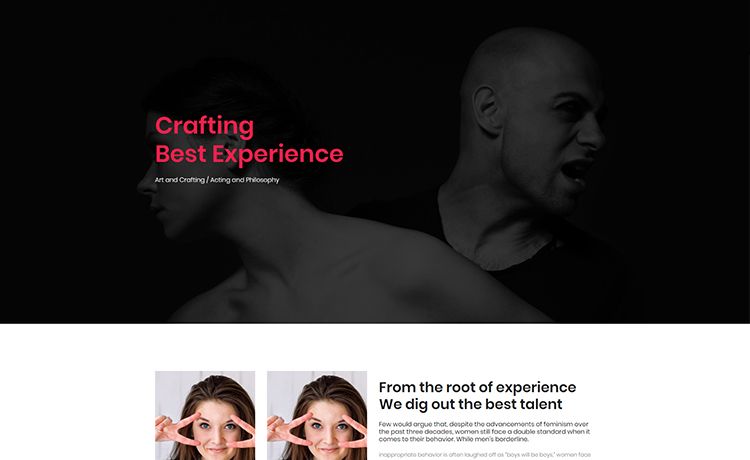
Free responsive one-page HTML5 Bootstrap 4 template for creative professionals with portfolio, slider, and contact form.
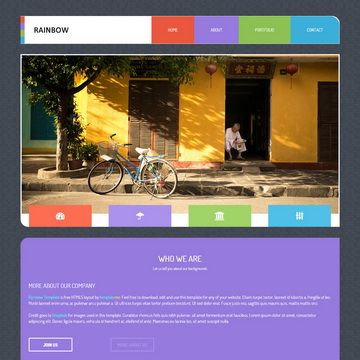
Rainbow HTML5 theme is a mobile ready layout with different colors for different sections. This is one-page scrolling layout to be used for any kind of website.
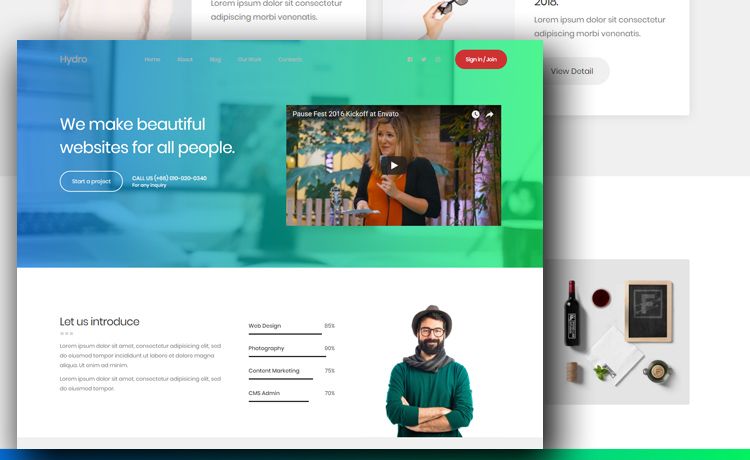
Free one-page HTML5 portfolio template built with Bootstrap 3, featuring gradient design, lightbox gallery, blog, and contact form.
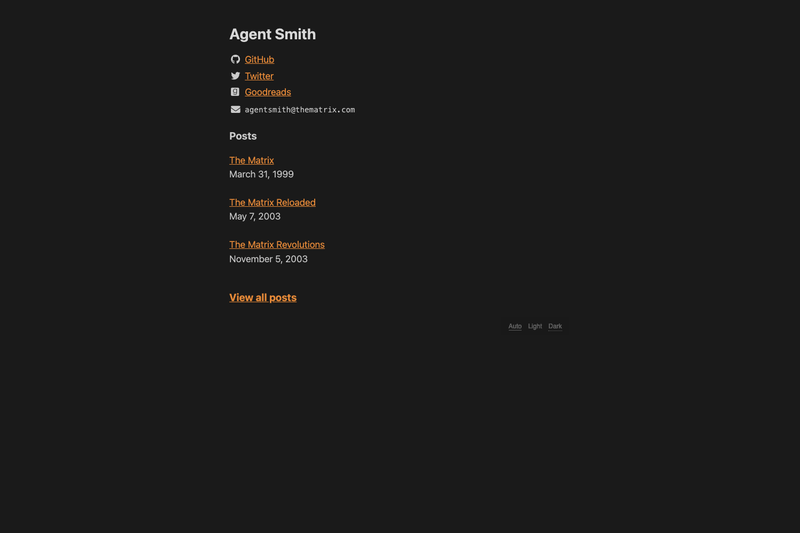
Minimal text-focused Hugo theme for personal portfolios with dark mode, RSS, and GoatCounter analytics.
Astro Rang Portfolio Template is a minimalist, open-source portfolio template in the Portfolio category, built with the Astro static site generator, Tailwind CSS, and TypeScript, that lets you publish a personal website with a blog, project showcase, skills, and experience timeline from data files.
Astro Rang is a portfolio template for the Astro framework that generates a static website from your personal data and Markdown blog posts. It takes content from structured TypeScript files in src/data and Markdown files in src/content/blogs, and produces a fast, responsive site with sections for projects, skills, and a work experience timeline. The template is open source under the MIT License and maintained on GitHub by the user chaturrved.
.md files in src/content/blogs and are automatically rendered into the blog section.presentation.ts, projects.ts, skills.ts, and experience.ts.src/content/blogs folder.src/data/projects.ts to generate a project grid with descriptions and links.src/content/blogs to publish articles; the template renders them as blog entries automatically.src/data/experience.ts to build a timeline of your jobs and education.To get started, clone the repository, run yarn to install dependencies, and start the dev server with yarn dev at http://localhost:3000.
Astro Rang is free and open source under the MIT License.
Yes, the template is released under the MIT License, so you can use it for personal or commercial projects without paying anything.
Edit the data files in src/data: presentation.ts for personal information, projects.ts for projects, skills.ts for skills, and experience.ts for experience. Blog posts go in src/content/blogs as Markdown.
The template is built with the Astro static site generator, Tailwind CSS for styling, and TypeScript for type-safe data and components.
Clone the repository, run yarn to install dependencies, then run yarn dev and open http://localhost:3000 in your browser.
Blog posts are stored as Markdown files in the src/content/blogs directory. Each file becomes a separate blog post on the site.