Newsletter
Join the Community
Subscribe to our newsletter for the latest news and updates

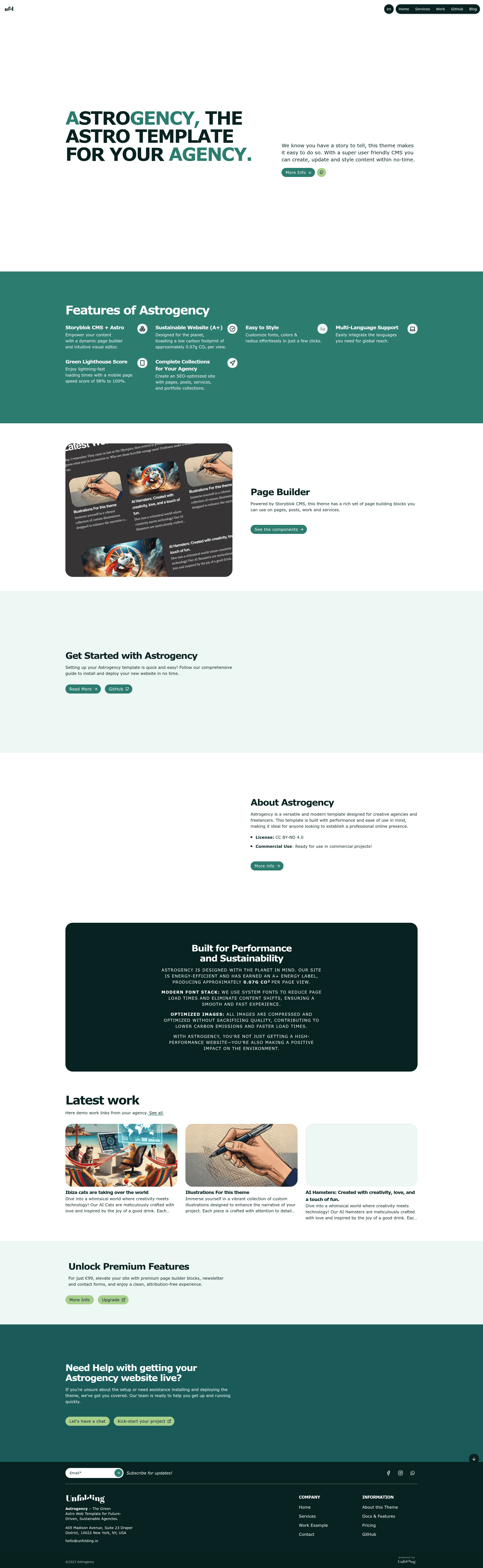
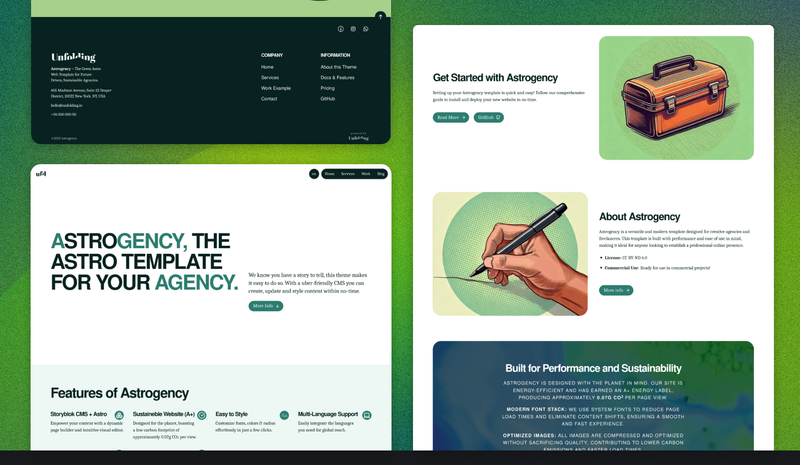
Free Astro agency template powered by Storyblok CMS, Vue, and Tailwind CSS with premium components.
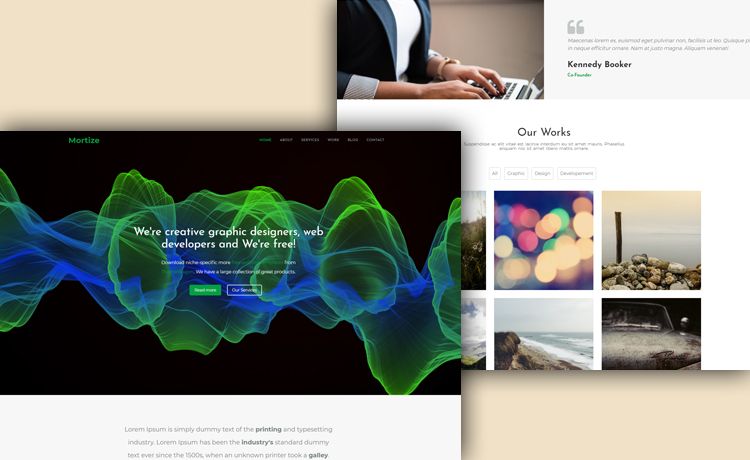
Promodise is a free Bootstrap template for business companies and digital marketing agencies, with multipage and single-page layouts.
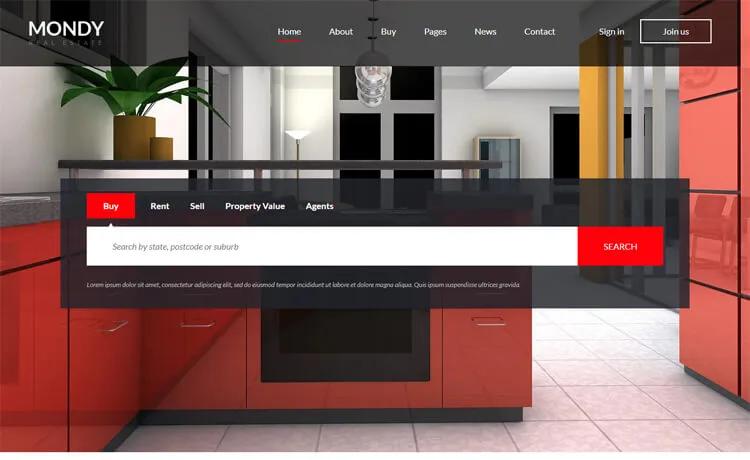
Free Bootstrap 4 HTML5 multi-page template for real estate and property agency websites, with hero header, search filters, and Google Maps.
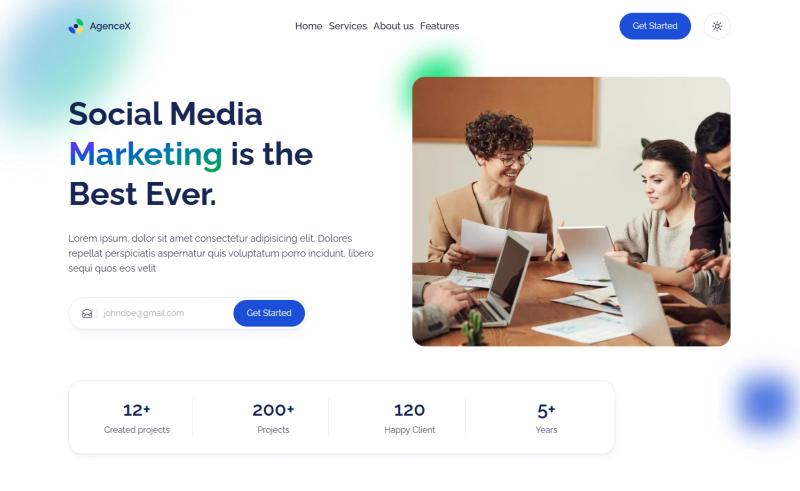
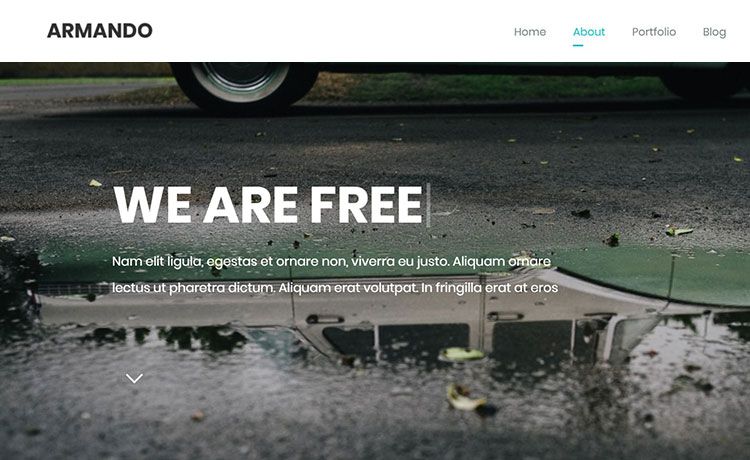
Free one-page Tailwind CSS & Astro template for digital agencies and small businesses, with light/dark modes and call-to-action sections.
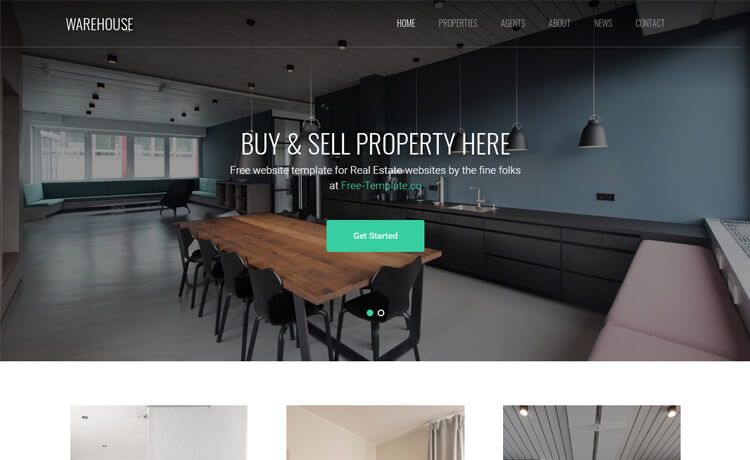
Free Bootstrap 4 HTML5 multipage agency website template for real estate and rental businesses, featuring hero slider, sticky nav, and forms.
Astrogency is a free Astro template that builds agency websites on the Storyblok headless CMS, with Vue and Tailwind CSS under the hood and a one-command setup to sync your content.
Astrogency is an open-source Astro theme from unfolding.io that pairs the Astro static-site generator with Storyblok as a headless CMS. It takes Storyblok content as input—datasources, components, and stories—and produces a hybrid-rendered agency site that can deploy to Vercel or Netlify. The template is written in Vue and styled with Tailwind CSS, and it includes a /setup route that lets you sync your Storyblok space directly from the browser.
/setup page in the browser syncs Datasources, Components, and Stories into your Storyblok space, with the recommendation to delete before syncing to avoid conflicts.vercel() or netlify() adapters.npm install, run npm run dev on localhost:4321, and sync content before building; the project also supports add-ons via astro add.Digital agencies that want a pre-built marketing site they can manage through Storyblok instead of editing code. Freelance developers who need a fast Astro-based starter with headless CMS and Tailwind styling. Content teams that rely on Storyblok's visual editor and need a front-end that matches their component model. Deploy-minded developers who want to ship to Vercel or Netlify with a hybrid output and minimal config.
/setup.Setup takes five steps: rename env.txt to .env and add your Storyblok preview token, personal token, space ID, region, locale, and currency; run npm install; start the dev server with npm run dev; open localhost:4321/setup to sync your datasources, components, and stories; then adjust astro.config with your site URL and choice of vercel() or netlify() adapter. The sync endpoint can be re-run whenever content structure changes, and it warns you to delete existing data first to avoid errors.
Astrogency is free under a Creative Commons CC BY-ND 4.0 license. The latest version also unlocks all premium components at no cost. Optional paid upgrades include premium support and additional features from the unfolding.io shop; no price points are listed on the repository page.
Yes, the template is free under CC BY-ND 4.0, and all premium components (carousel, accordion, pricing tables, etc.) have been made available in the latest free version. The makers offer optional paid support and extra features through their shop, but the core template costs nothing.
Astrogency runs on Astro with Vue components and Tailwind CSS for styling. Storyblok is the headless CMS, and content sync happens through a /setup page. The output mode is 'hybrid', meaning you can mix static pages with server-rendered routes, and it ships with adapters for Vercel and Netlify.
After installing dependencies, rename env.txt to .env and fill in your Storyblok preview token, personal token, space ID, and region. Then open localhost:4321/setup in the browser to sync Datasources, Components, and Stories automatically. The template warns to delete existing content before syncing to prevent conflicts.
Yes, the astro.config file expects you to set your site URL and choose either the vercel() or netlify() adapter. Deployment settings should also include the environment variables from the .env file. The repository provides separate commands for building and previewing the site before deployment.
Contact forms can be routed through Mailgun, Postmark, or Slack, and newsletter signups can be connected to Mailchimp. These integrations are described among the premium features, but the repository notes that premium components are now included in the free version, so check the current feature set before upgrading.