Newsletter
Join the Community
Subscribe to our newsletter for the latest news and updates

Gatsby starter that integrates Contentful CMS, with one-click Netlify deploy and a live demo.
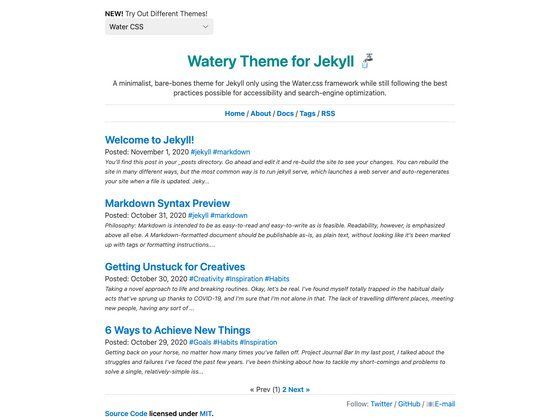
A minimalist, bare-bones Jekyll theme using the under-80kb Water.css framework, built for accessible, SEO-friendly static blogs and websites.
A Claude-first front-end starter kit built on Vite, TypeScript, React, and Tailwind CSS, with CLAUDE.md conventions and custom Claude Code skills.
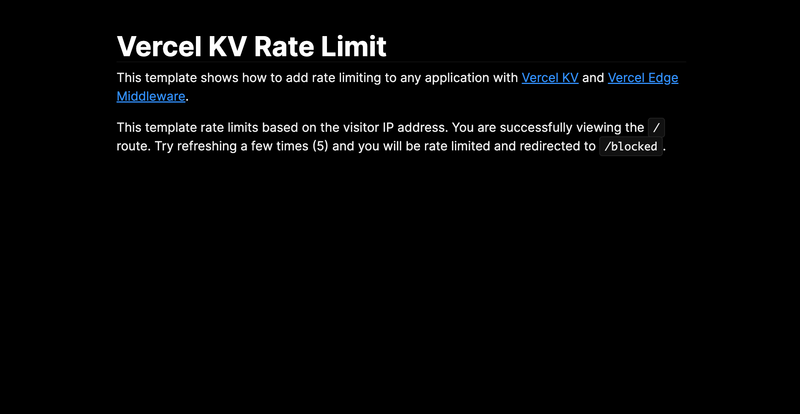
Add rate limiting to your application with any frontend framework.
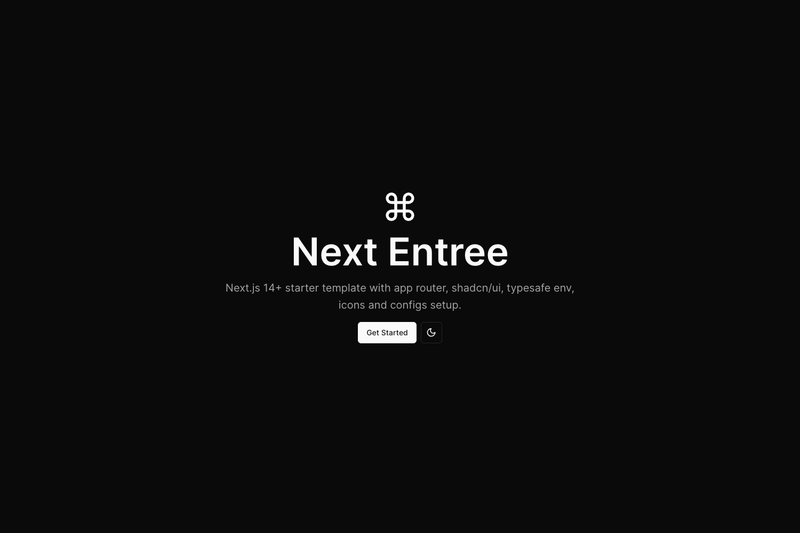
Next.js 14+ starter template with app router, shadcn/ui, typesafe env, icons, and configs setup.

Minimal template for quick landing pages, built with Nuxt and Tailwind CSS.
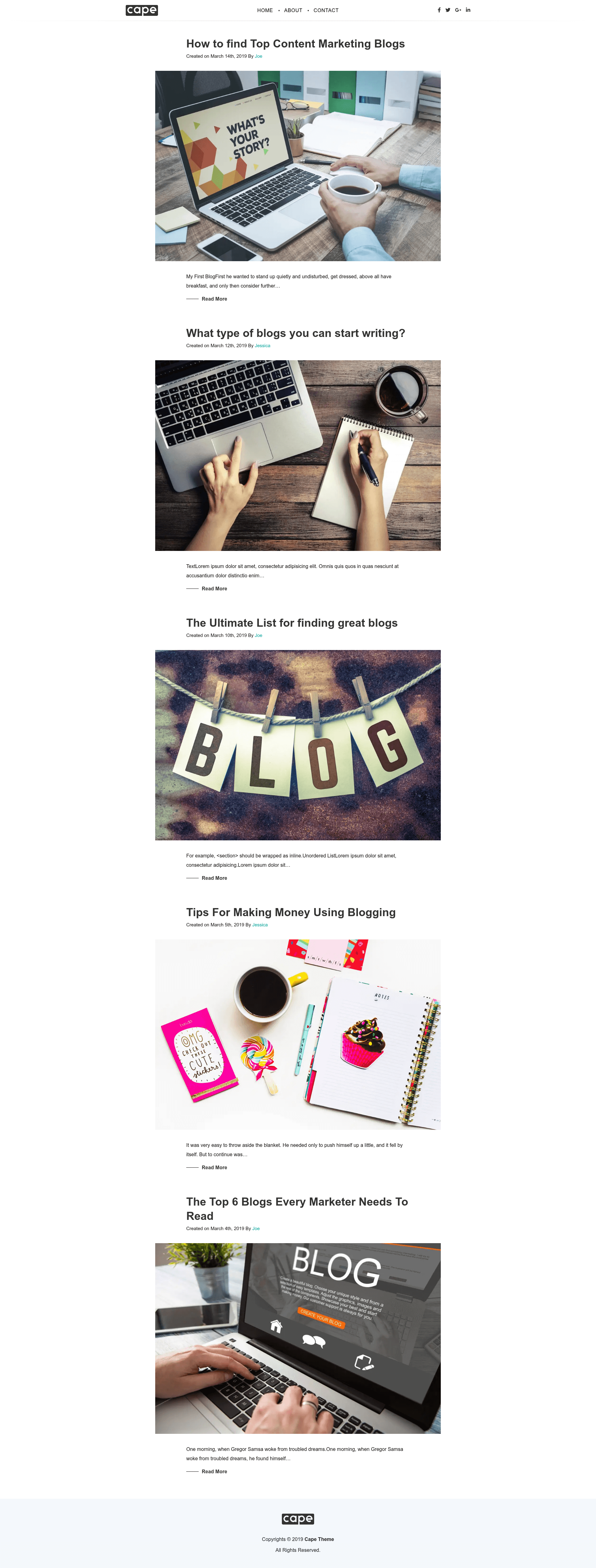
Cape is a Gatsby starter template that connects the Gatsby static-site generator to the Contentful headless CMS, giving you a ready-to-deploy content site that runs on Netlify. It was created by GitHub user juhitrivedi and is demonstrated live at https://cape.netlify.com/.
Cape is a Gatsby starter, which means it is a pre-configured project template you can use to scaffold a new site with the Gatsby CLI. Its core function is to demonstrate combining Gatsby, a React-based static site builder, with Contentful, a headless content management system. It takes as input your Contentful space ID and access token, stored in a configuration file, and produces a static website that pulls content from Contentful at build time. The starter runs on Node.js and uses Gatsby's build system, with a built-in GraphQL data layer.
.contentful.json file.npx gatsby new your-project-name https://github.com/juhitrivedi/cape.git.gatsby develop, a GraphQL playground is available at http://localhost:8000/___graphql to inspect and query site data.Cape is aimed at developers who want a head start on a content-driven Gatsby site without manually configuring Contentful. It is also useful for freelancers and agencies that frequently build CMS-backed marketing pages or blogs and want a proven starter to base client work on.
Run npx gatsby new your-project-name https://github.com/juhitrivedi/cape.git, then cd into the directory and execute gatsby develop. The site will be available at http://localhost:8000.
Yes. You must create a .contentful.json file in the project root that contains your Contentful space ID and access token. Without it, the site will not have content to display.
The live demo is at https://cape.netlify.com/ and shows the starter running with example content.
The starter includes a deploy button that takes you to Netlify's app to create a new site directly from the GitHub repository.