Newsletter
Join the Community
Subscribe to our newsletter for the latest news and updates

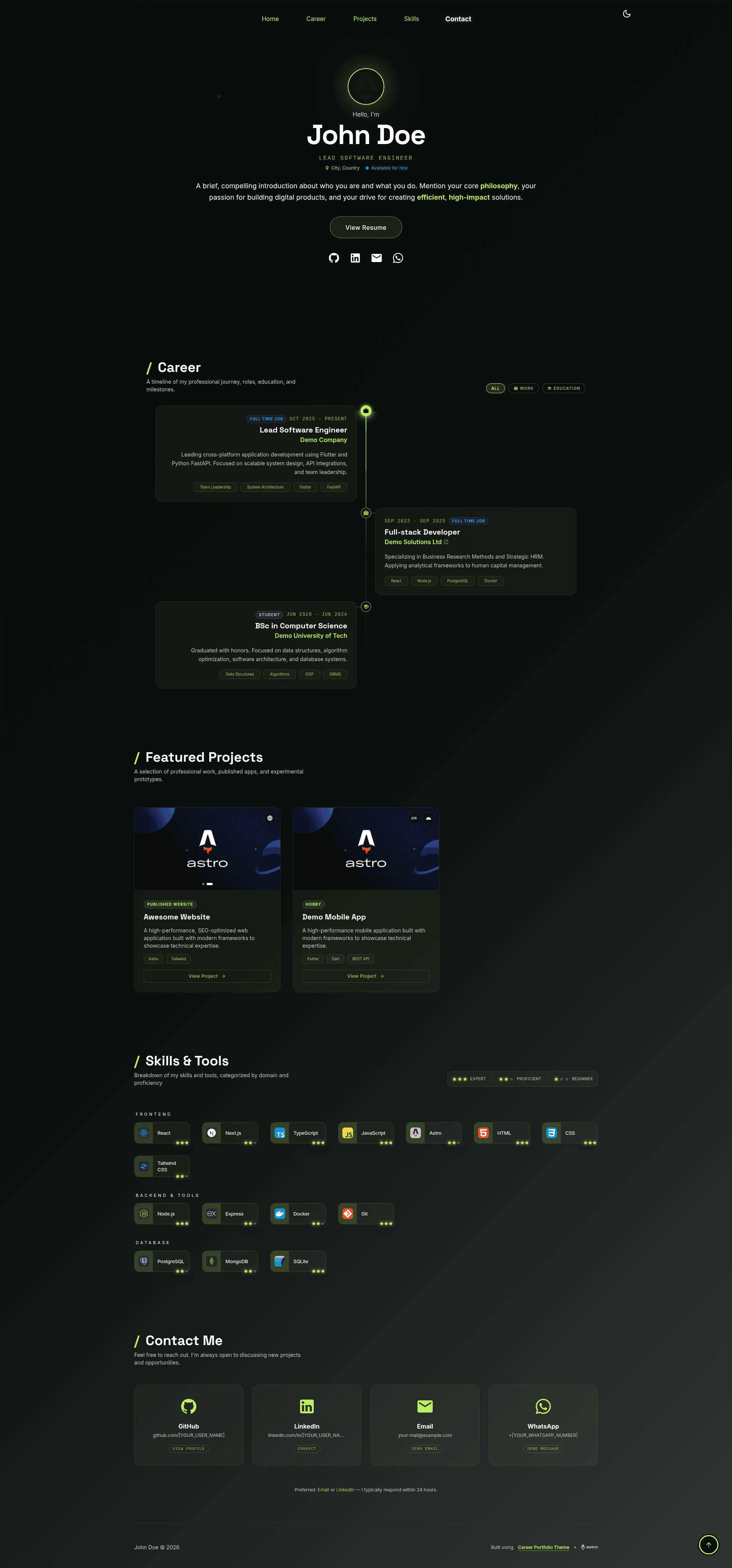
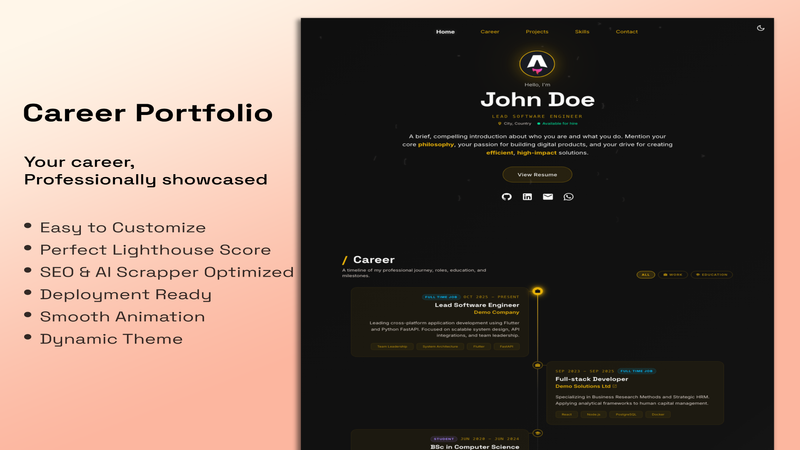
Showcase your career, skills and projects highlights with this modern Astro-powered SSG portfolio template — fast, customizable, and deploy-ready.
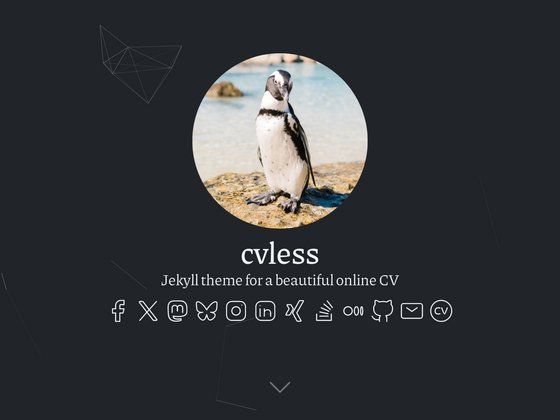
Jekyll theme for a beautiful online CV with particles.js animation, printing-friendly layout, and light/dark modes.
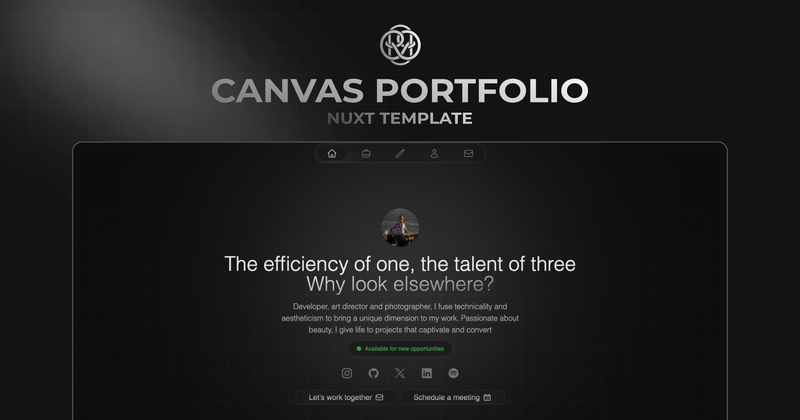
Canvas is a fully customizable i18n portfolio template built with Nuxt, Nuxt UI, and Tailwind CSS for developers and creatives.
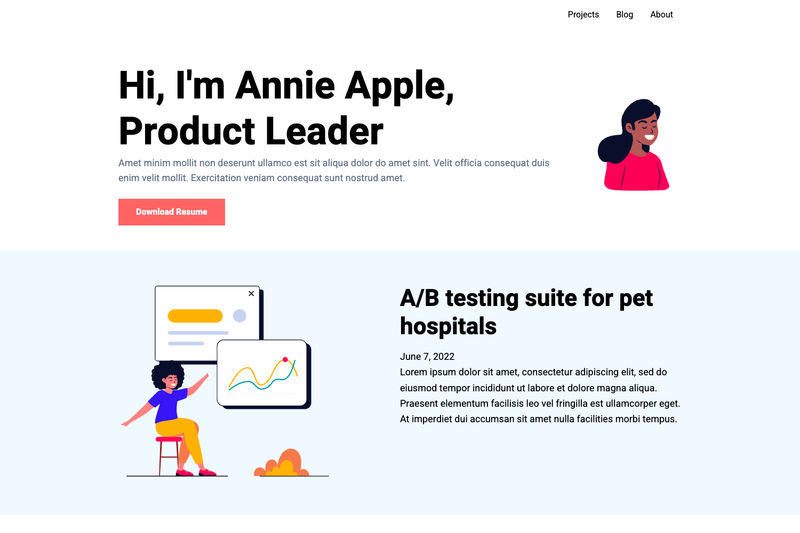
Free Next.js template for building a product manager portfolio with case-study pages.
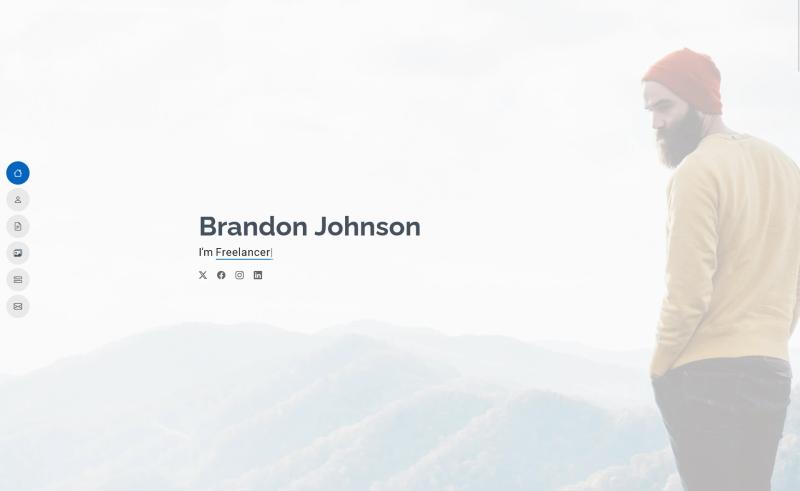
Free responsive Bootstrap 5 portfolio template with a resume-like one-page layout, perfect for creative professionals.
CareerPortfolio is an open-source, data-driven portfolio template built with Astro static site generation, designed to help professionals publish a fast, customizable career site without writing frontend code.
CareerPortfolio is a portfolio template that runs on Astro (v6) with Tailwind CSS and Native Browser Animations. It takes structured JSON files from src/data/ as the sole content source and outputs a fully responsive static site with auto-generated sitemap.xml, robots.txt, and a dynamic /llms.txt endpoint for AI/LLM crawlers, plus Open Graph, Twitter Card, and JSON-LD structured data. The template is freely available under the MIT License and is deployable to Netlify (demo link) or any static hosting platform.
src/data/; no code edits required.sitemap-index.xml and robots.txt at build time, and serves a /llms.txt Markdown route for AI agents via src/pages/llms.txt.ts.default, strategic, innovator, and executive color palettes; light/dark mode is handled automatically.src/assets/ get automatic Astro optimization./llms.txt route to make portfolio content readable by AI agents and web crawlers.src/config.ts and set baseTheme to default, strategic, innovator, or executive; dark/light toggles are included.siteUrl, webpageTitle, description, lang, jobTitle, keywords, twitterHandle, and ogImageUrl in src/data/home.json.src/data/ and images in src/assets/.npm run build and publish the resulting dist/ folder to Netlify, Vercel, or any static hosting service.npm install and npm run dev.src/data/ and src/config.ts to personalize content and theme.npm run build and deploy the generated static site.Free — The project is open source under the MIT License.
No. The template is zero-JS by default thanks to Astro's islands architecture, so it works with JavaScript disabled and loads quickly.
Yes. Open src/config.ts and update the baseTheme variable to default, strategic, innovator, or executive. Dark and light mode are handled automatically.
/llms.txt endpoint?It's a dynamically generated Markdown route at /llms.txt that presents your portfolio as plain text for AI agents and LLM web crawlers, powered by src/pages/llms.txt.ts.
No. The template works as a purely static site. The FastAPI backend is optional and its open-source release is planned but not yet available.
Edit the fields in src/data/home.json, including siteUrl, description, jobTitle, keywords, twitterHandle, and ogImageUrl. These drive meta tags, Open Graph, and JSON-LD.