Newsletter
Join the Community
Subscribe to our newsletter for the latest news and updates

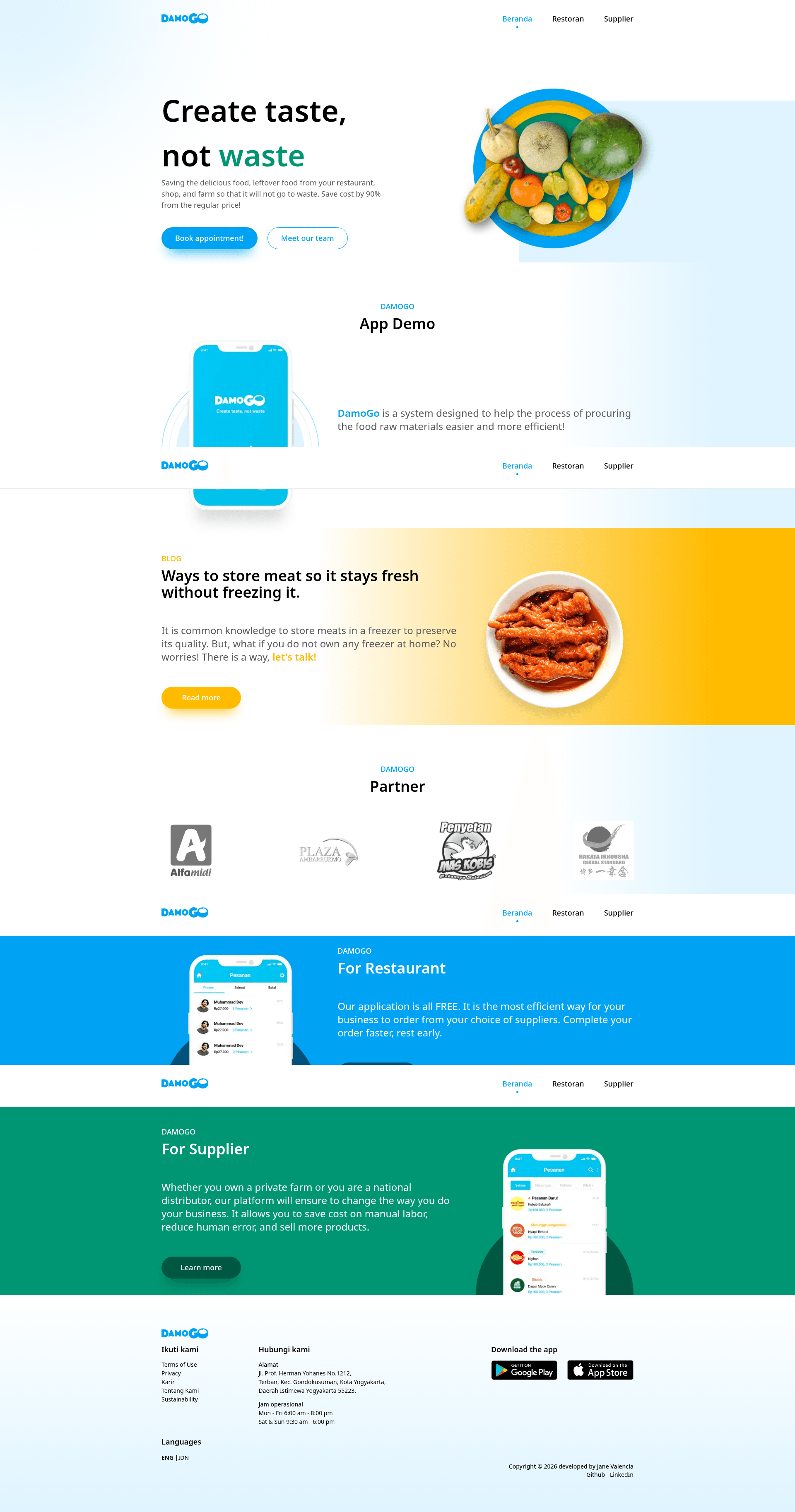
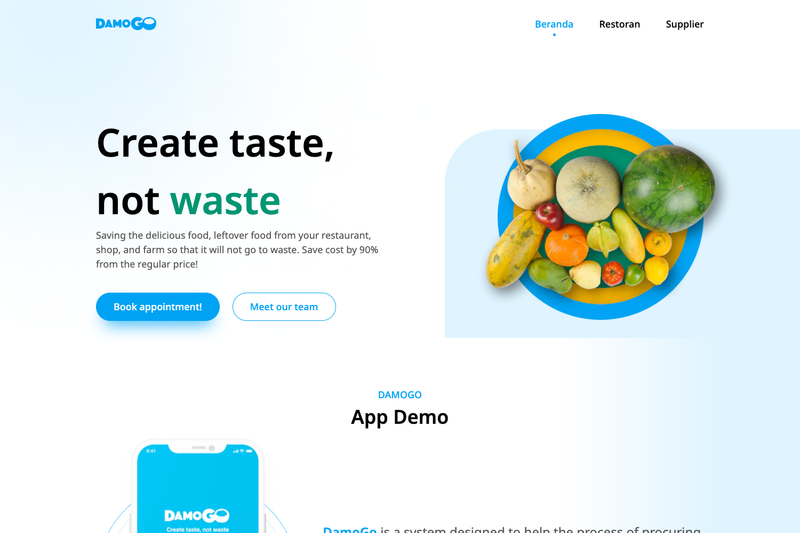
Next.js and TailwindCSS landing page mock-up for a food-waste startup, integrated with Hygraph headless CMS and i18n.
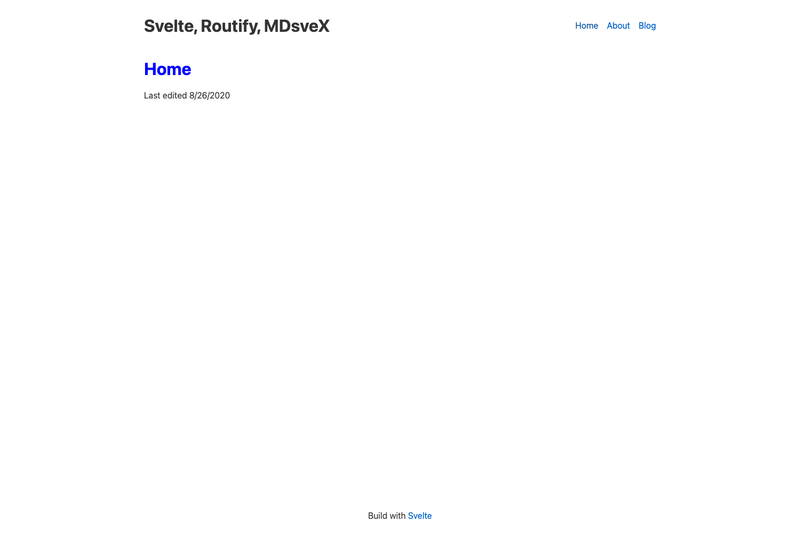
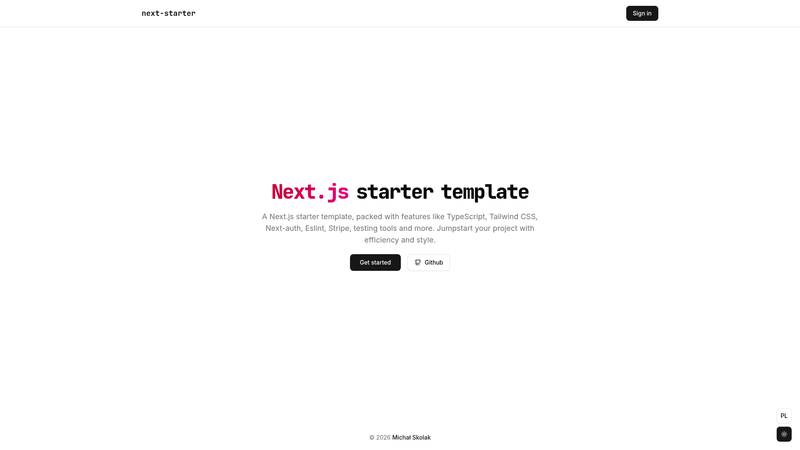
Svelte starter combining Routify v2, MDsveX Markdown, and a GraphQL data layer.
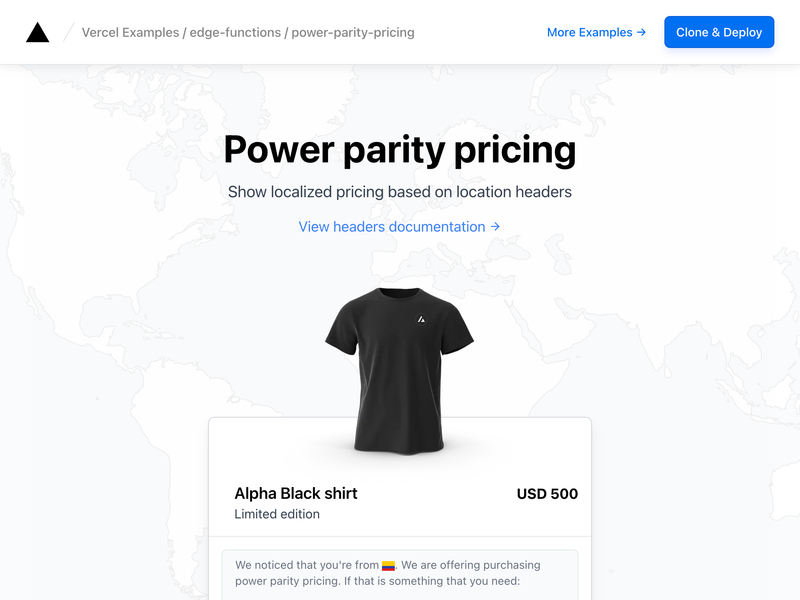
Implement power parity pricing using information from the request geolocation object in Edge Middleware.
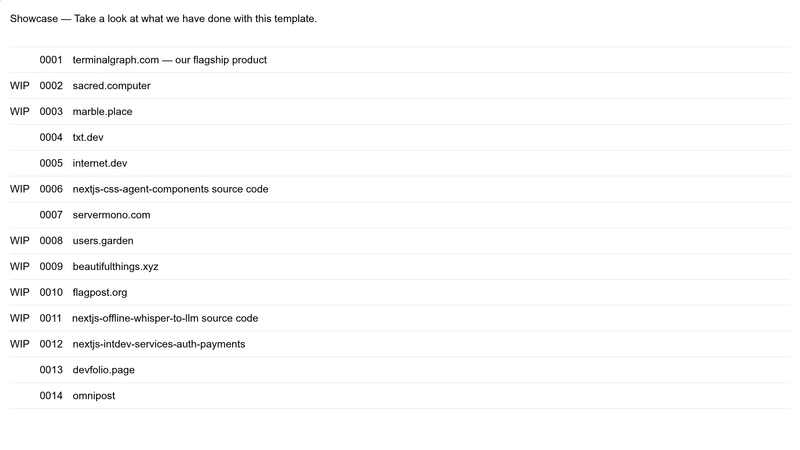
A Next.js + TypeScript component library with CSS Modules and agent skills for building wireframe-precise websites fast.
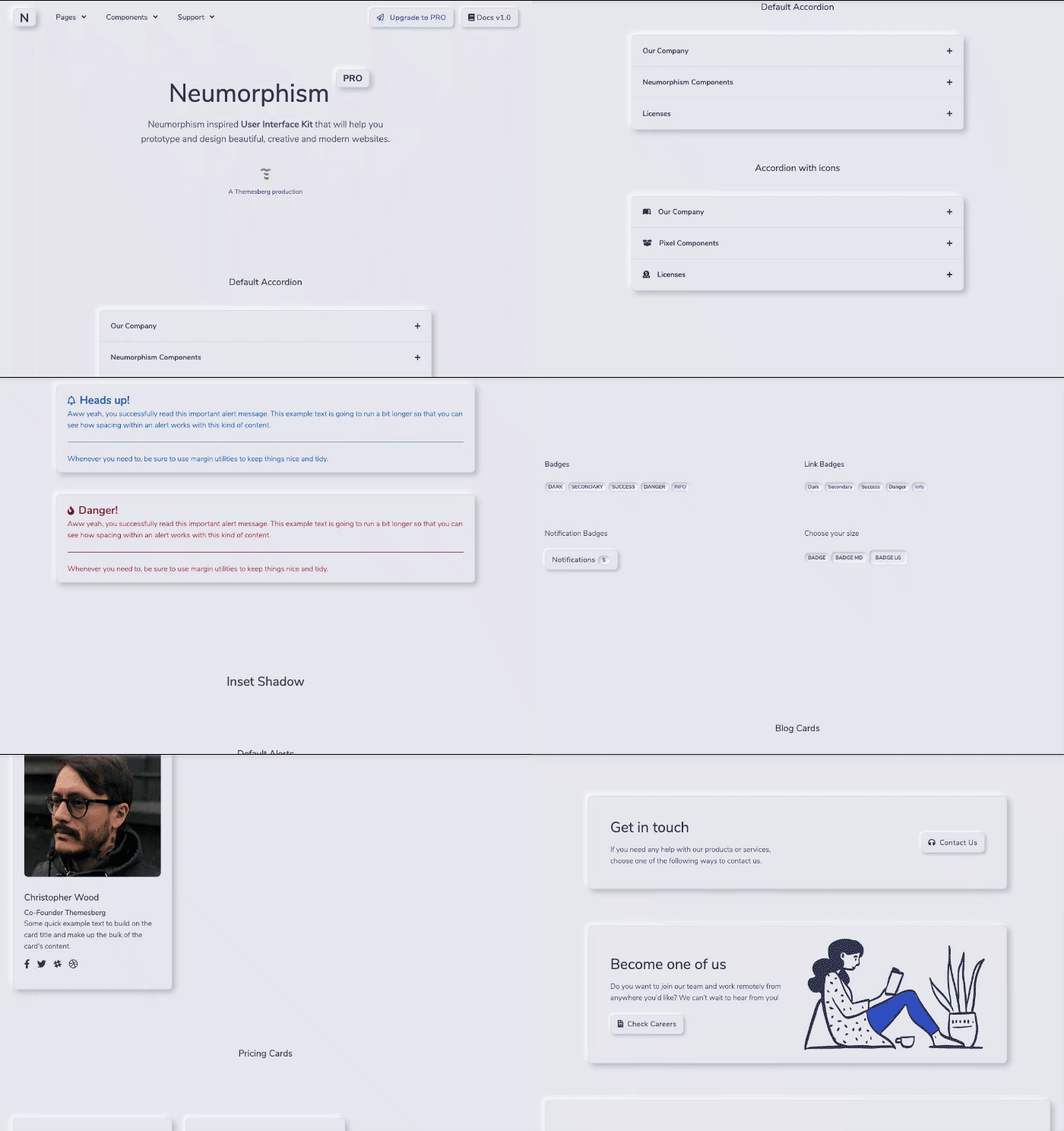
Neumorphism inspired UI Kit: web components, sections and pages in neumorphic style built with Bootstrap CSS Framework.
DamoGO Website is a mock-up single landing page built for DamoGO, a startup focused on educating people about and solving food waste in Southeast Asian countries. It is a Next.js project bootstrapped with create-next-app, styled with TailwindCSS, and connected to Hygraph, a GraphQL-powered headless CMS where all page assets and content are managed. The project demonstrates a modern JAMstack architecture with internationalized routing (i18n) so the same page can be served in multiple languages. The design and brand belong to DamoGO; this repository is a non-commercial mock-up of the original website.
DamoGO Website is a single-page landing site mock-up that takes content and media from Hygraph, a GraphQL-powered headless CMS, and renders it as a public-facing web page using the Next.js React framework. Its core function is to show how a startup landing page can be built with a decoupled content management system while supporting multiple languages through i18n routing. The project runs on Next.js and is developed in TypeScript, with TailwindCSS providing the styling. It was created as a mock-up for DamoGO, a company that educates about and addresses food waste in Southeast Asia, and the original design and brand are owned by DamoGO.
Developers building a multilingual landing page with a CMS backend can use this as a reference for wiring Next.js, TailwindCSS, and Hygraph together. Front-end engineers learning GraphQL and Apollo Client will find a grounded example of querying content from a headless CMS. Teams at startups or NGOs working on food-waste awareness in Southeast Asia could adapt this structure for their own content-managed landing page. It is also a practical starting point for anyone who wants to see a modern JAMstack project with i18n routing in action.
No — it is a mock-up of DamoGO's original design, and the author explicitly states they do not own the design or brand. It is intended as a learning reference or starting point, not as a launchable site for a real business under that name.
It uses Next.js as the React full-stack framework, TypeScript for type safety, TailwindCSS for styling, Hygraph as the headless CMS, GraphQL as the API layer, and Apollo Client as the GraphQL client. It also uses next/font to optimize the Noto_Sans Google Font.
Yes, internationalized routing (i18n) is listed as a feature, allowing the landing page to support multiple languages. The repository metadata also confirms the project uses the i18n topic.
You need the latest LTS version of Node.js installed. Then run the development server with npm run dev, yarn dev, or pnpm dev and open http://localhost:3000 to view the page.
All assets used in the landing page are managed in Hygraph, a headless CMS that exposes content through a GraphQL API. This separates content management from the front-end rendering, allowing content updates without code changes.