Newsletter
Join the Community
Subscribe to our newsletter for the latest news and updates

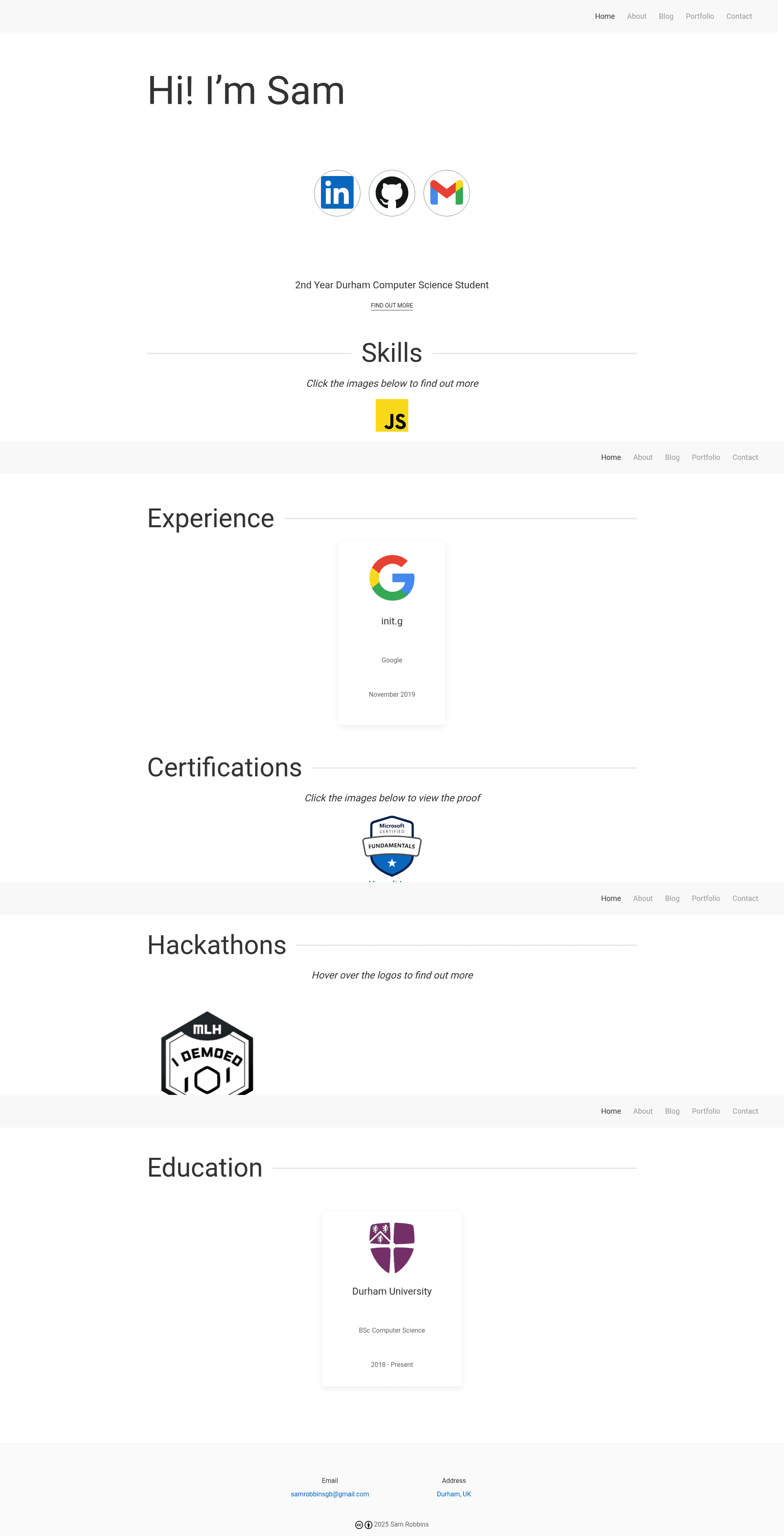
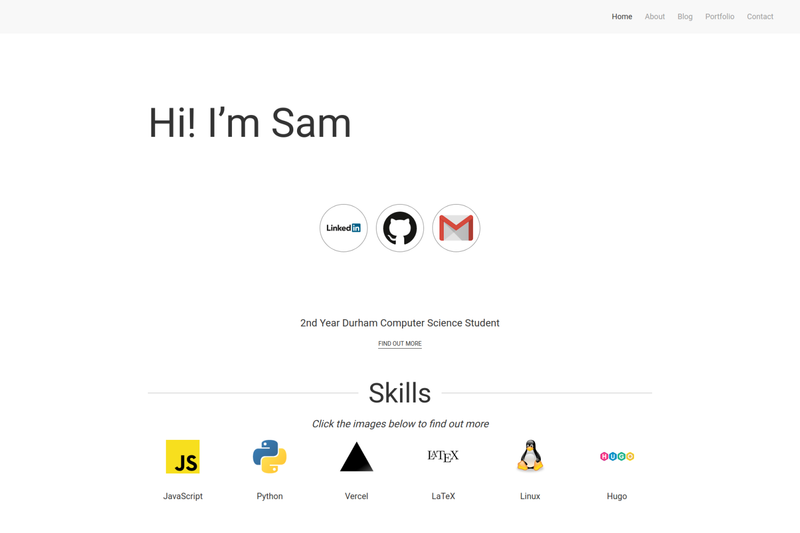
A Hugo theme for developers to build a responsive portfolio with blog, projects, and experience sections.
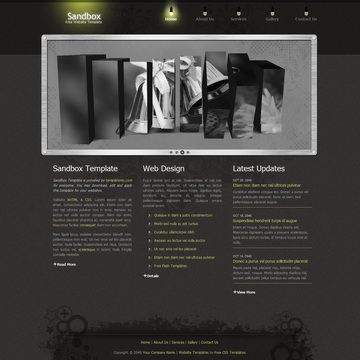
Free 5-page HTML/CSS template with gray sand texture, light-bulb menu, and Piecemaker 3D Flash slider.
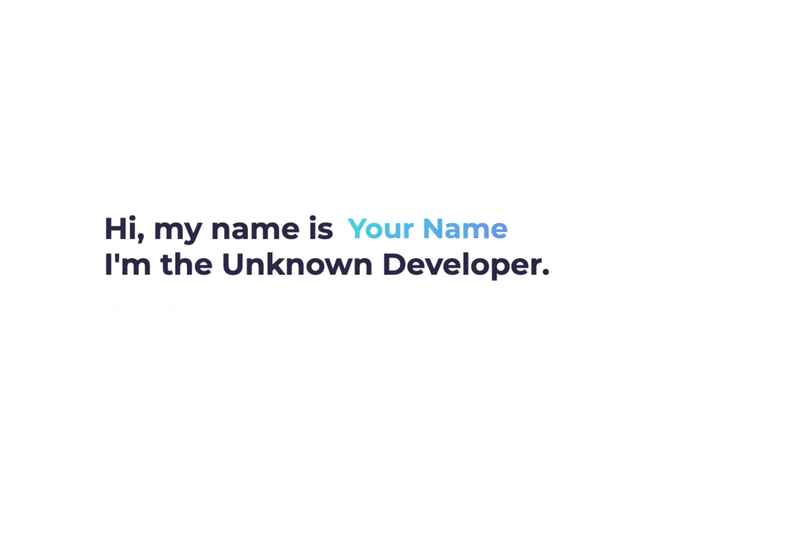
A Modern Portfolio Template for Developers with easy setup process documented(with hosting).
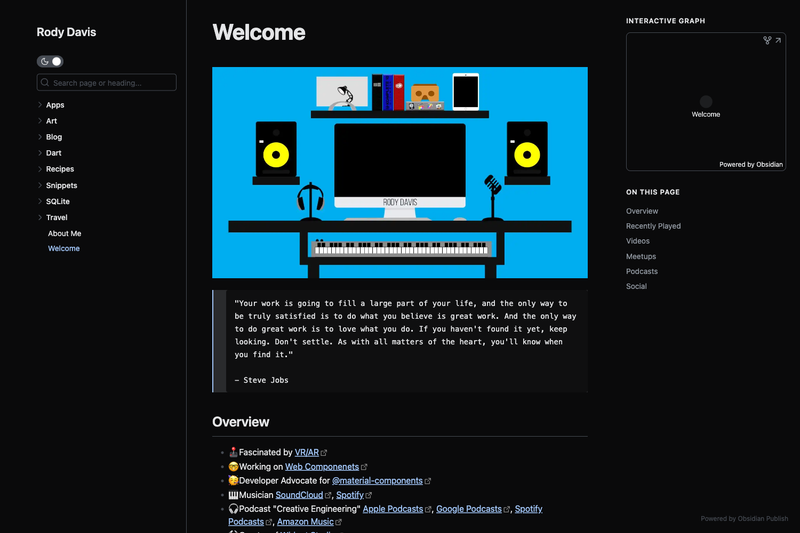
GitHub profile README for Google Antigravity developer advocate Rody Davis, showcasing his apps, tools, and open source work.
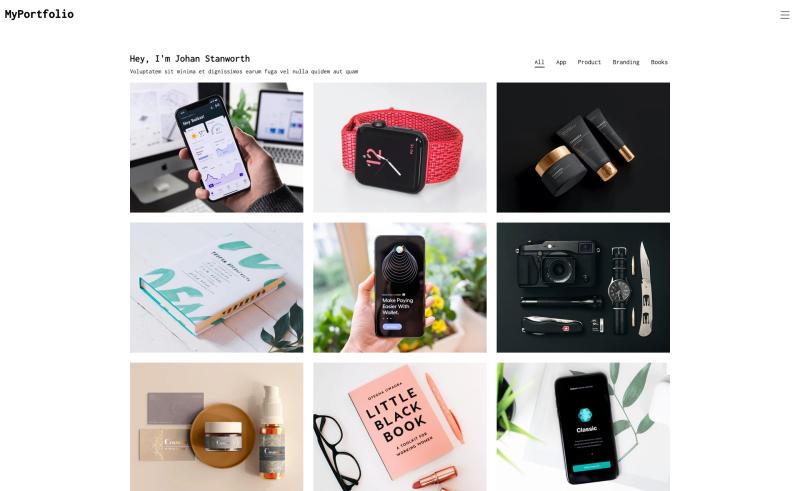
Free Bootstrap 5 HTML5 multipage portfolio template with grid, carousel, contact form, and off-canvas navigation.
Developer Portfolio is a Hugo theme created by Sam Robbins that gives developers a ready-made website structure for showing off their skills, projects, and professional history. It generates a static, responsive site with a homepage, blog section, and portfolio section from a combination of TOML/YAML configuration files and Markdown content.
Developer Portfolio is an open-source Hugo theme that turns a developer's personal content into a static portfolio website. You supply content through config.toml, data files like data/homepage.yml and data/about.yml, and Markdown files for blog posts and portfolio items; the theme outputs a fully styled responsive site. It runs on the Hugo static site generator and is authored by Sam Robbins under the MIT license (as shown by the project's license badge). The theme uses the UIkit CSS framework for styling and can be installed either by cloning the repository or adding it as a Git submodule.
data/homepage.yml file drives multiple display blocks: banner, social links, about, skills, selected portfolio items, experience, hackathons, certifications, awards, education, and publications.formAction URL in config.toml, sending form submissions to your email.If you already have a Hugo site, create a themes folder, clone or submodule the repository into it, and set theme = "hugo-developer-portfolio" in your config.toml. For a new site, copy the included exampleSite folder, remove the lines marked "Remove this when using normally," and uncomment the Hugo module lines — this requires the Go programming language to be installed because the theme uses Hugo modules. After editing config.toml, the YAML data files, and your Markdown content, Hugo generates the static HTML output.
Yes, the project is open source under the MIT license, so you can use, modify, and redistribute it freely for personal or commercial projects.
Basic familiarity with Hugo helps because you will edit config.toml, YAML data files, and Markdown front matter. The repository's README documents the structure of each configuration file, but you do not need to write Go or HTML.
Yes. The site ships with a contact section that works with Formspree: set the formAction parameter in config.toml to your Formspree endpoint and form submissions are forwarded to your email.
The homepage supports banner, social, about, skill, portfolio, experience, hackathons, certifications, awards, education, and publications sections. There are also dedicated blog and portfolio listing pages, plus an about page configured through data/about.yml.
The theme loads UIkit 3.2.6 CSS and JavaScript via the plugin configuration in config.toml. UIkit provides the grid, cards, modals, and navigation components used across the site.