Newsletter
Join the Community
Subscribe to our newsletter for the latest news and updates

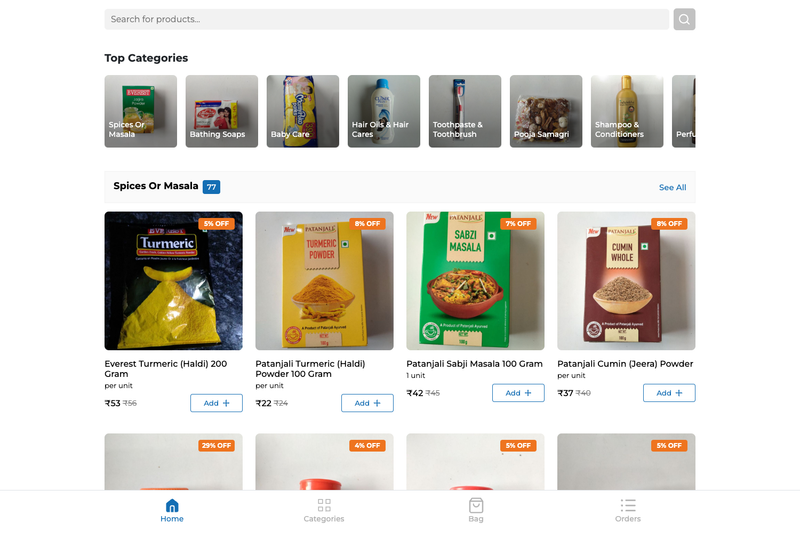
A Next.js and Styled Components e-commerce storefront clone of My Dukaan, with live demo and easy local setup.
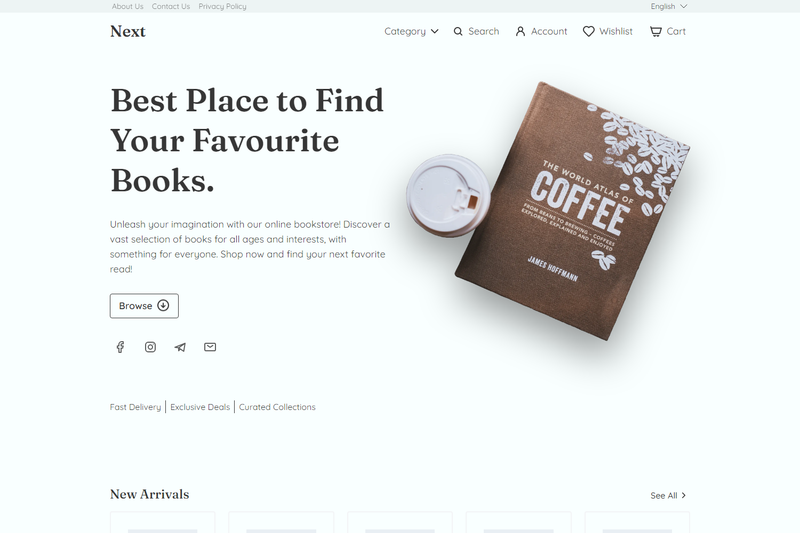
An open-source online bookstore built with Next.js 13 appDir, TailwindCSS, and StrapiCMS backend.
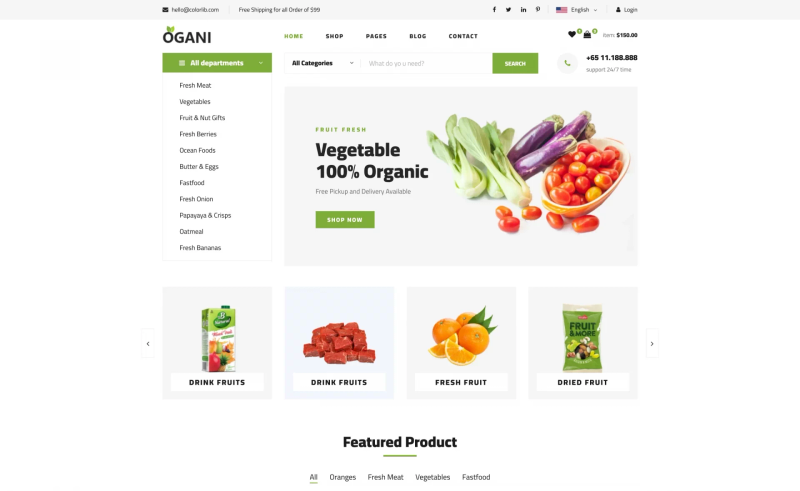
Free Bootstrap 4 ecommerce template for organic food stores and online shops, with 9 HTML pages, shopping cart, blog, and Google Maps.
Dark-themed HTML template for fashion e-commerce and portfolios with a black and hot pink palette, hero carousel, and filterable collections grid.
Open-source headless e-commerce store built with Next.js and Strapi, with guest cart/checkout, PayPal sandbox payments, and styled-components.
Dukaan is a publicly available e-commerce storefront template built with Next.js, TypeScript, and Styled Components, designed as a clone of the Indian startup My Dukaan.
Dukaan is an e-commerce storefront template created by developer Anurag Bhagsain as a learning project to explore Next.js and Styled Components. It replicates the look and functionality of My Dukaan, an Indian e-commerce platform, and is published as a public GitHub repository. The template renders a responsive storefront for products, with separate desktop and mobile layouts demonstrated in the live demo hosted at mydukaan.vercel.app. The source code is written in TypeScript on top of Next.js, with all styling handled through Styled Components, and the project includes a companion Node.js utility named "dukaan-images" that mirrors product images to Firebase Storage to keep the demo stable.
Dukaan's standout features are its modern Next.js stack, responsive design, and easy setup.
yarn to install dependencies, and then yarn dev starts a development server.Dukaan is best suited for developers learning Next.js and anyone wanting a ready-made storefront design.
Dukaan provides a practical starting point for building and deploying an e-commerce store.
The repository contains two parts: "dukaan-clone" is the main Next.js application, and "dukaan-images" is a Node.js helper that uploads images to Firebase Storage so the storefront remains functional. To run the site locally, clone the repository, install dependencies with yarn, and start the development server with yarn dev. The live demo is already deployed and can be viewed without any setup.
Yes, the project is publicly available on GitHub. You can clone, modify, and deploy it yourself at no cost.
Dukaan uses Next.js as the React framework, TypeScript for type safety, and Styled Components for styling. A companion Node.js script handles image storage via Firebase.
Clone the repository, run yarn to install dependencies, then run yarn dev. The development server will start on your local machine, like any standard Next.js project.
Yes, the live demo is shown in both desktop and mobile views via animated GIFs, and the Styled Components setup adapts the layout to different screen sizes.