E-commerce Admin Dashboard is an open-source Next.js admin dashboard (CMS) for managing multiple online stores — products, billboards, categories, inventory, and sales — from one centralized interface. The project is built on the Next.js 13 App Router, styled with Tailwind CSS and Shadcn UI components, and stores data in AWS RDS PostgreSQL, with AWS S3 for image uploads, Clerk for authentication, Stripe for payments, and Recharts for analytics charts.
What is the E-commerce Admin Dashboard?
The E-commerce Admin Dashboard is a full-featured CMS and admin panel that accepts store configuration data (billboards, categories, sizes, colors, products) and provides CRUD interfaces, searchable tables with pagination, and analytics dashboards for orders, sales, and revenue. It runs on Next.js, uses AWS RDS PostgreSQL and AWS S3 for persistence, and ships with two demo stores — one for clothing and one for shoes — that you can browse and test at the provided links (clothing store, shoe store). The project is developed by Keeshigan Pirabaharan, published on GitHub under an MIT License, and includes a companion public-facing storefront repository (E-Commerce Store).
Key Features
- Multi-store management — Create and manage multiple stores (clothes, food, computers, shoes) from one dashboard, with billboards, categories, sizes, colors, and products per store.
- Pagination and search tables — Browse products and other entities in data tables that support pagination and search for efficient data handling.
- Homepage archiving — Feature products on the homepage or archive them directly from the admin interface.
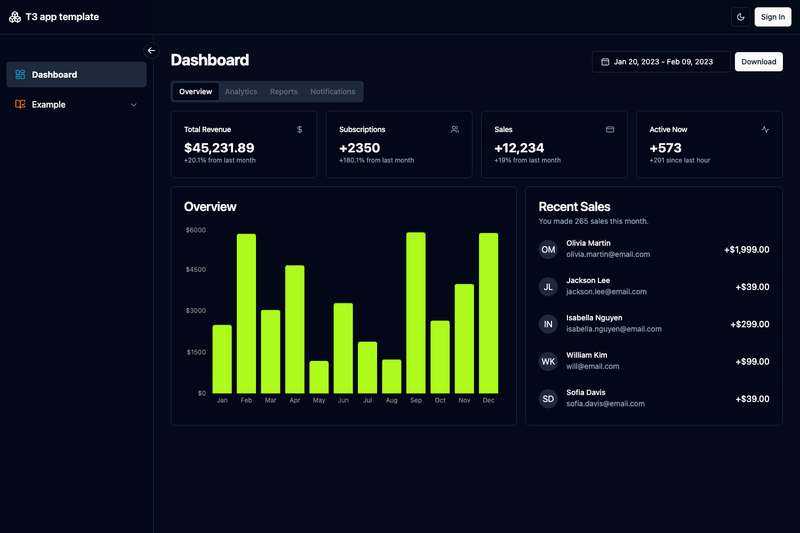
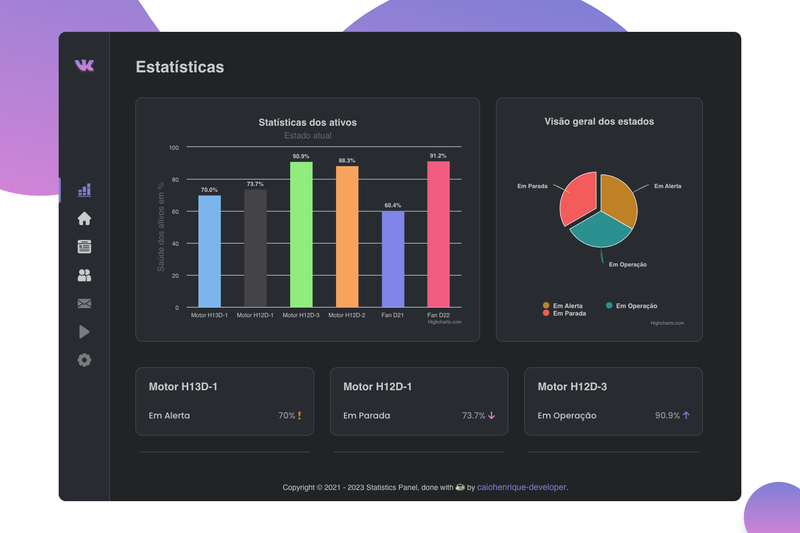
- Recharts analytics — Visualize orders, sales, and revenue with graphical charts built on Recharts.
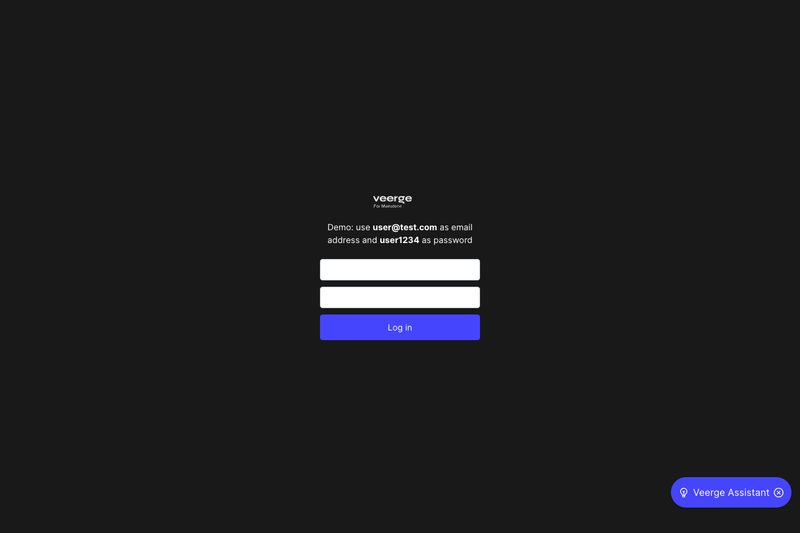
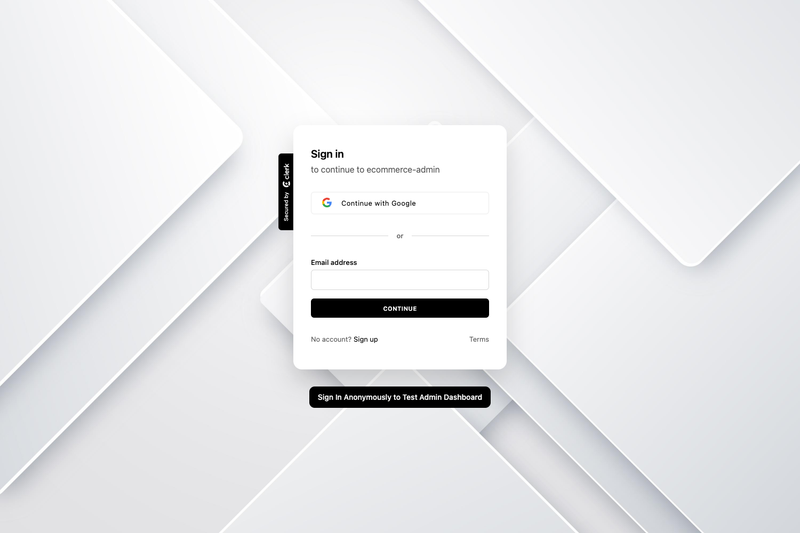
- Clerk authentication — Admins sign in with Google via OAuth2 or with email and password through Clerk.
- Stripe payments — Process store checkout payments through Stripe integration in the accompanying storefront.
- Dark and light mode — Toggle between light and dark themes for the admin interface.
- Order confirmation emails — Automatic email confirmations with a unique order tracking number after checkout.
Who is it for?
The template suits e-commerce store owners and operators who need a single admin panel to run multiple storefronts, as well as developers who want a ready-made, production-style CMS starter built on Next.js. Entrepreneurs can adapt it to launch their own online store with minimal setup, using the Stripe test card provided in the repository to experience the full checkout flow.
What can you do with it?
- Store owners: Manage inventory, billboards, categories, sizes, colors, and products for each store from one admin dashboard.
- Developers: Extend the CMS with new entities and relations; the MIT license allows free use and modification of the codebase.
- Sellers: Track performance with Recharts graphs for orders, sales, and revenue, and receive order confirmation emails with tracking numbers.
How does the demo work?
The live demo runs two storefronts (clothing and shoes) with pre-configured products. Visitors can browse items, add them to the cart, and complete checkout using the test card information provided in the repository. Admin routes are intentionally disabled in the production demo so any visitor can view the admin dashboard without logging in.
Pricing
This project is free to use and modify; it is released under the MIT License. No paid tiers or subscription plans are described in the repository.
FAQ
Is the E-commerce Admin Dashboard free?
Yes, the project is open-source under the MIT License, so you can use, modify, and distribute it freely. There are no paid plans or license fees mentioned in the repository.
What authentication does it use?
Admin authentication is handled by Clerk, which supports signing in with Google accounts via OAuth2 or with email and password. This secures access to the admin dashboard.
What payment processor is integrated?
Stripe is integrated for payment processing. The accompanying storefront allows checkout and the repository provides a test card to try it in the demo.
Can I run multiple stores at once?
Yes, the admin dashboard is built for multi-store management. It supports creating and managing multiple stores, such as clothing, food, and computers, each with its own billboards, categories, sizes, colors, and products.