Newsletter
Join the Community
Subscribe to our newsletter for the latest news and updates

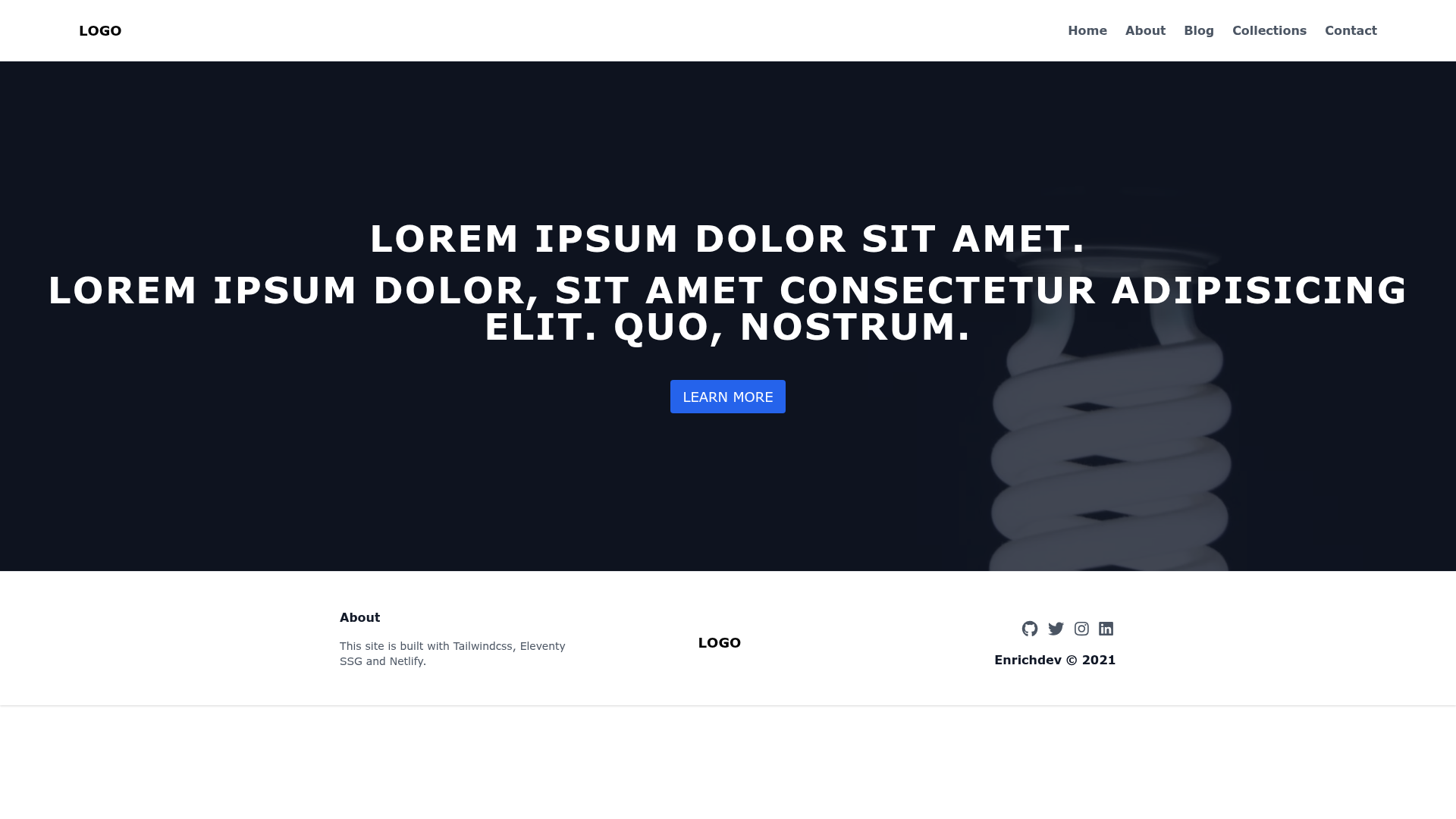
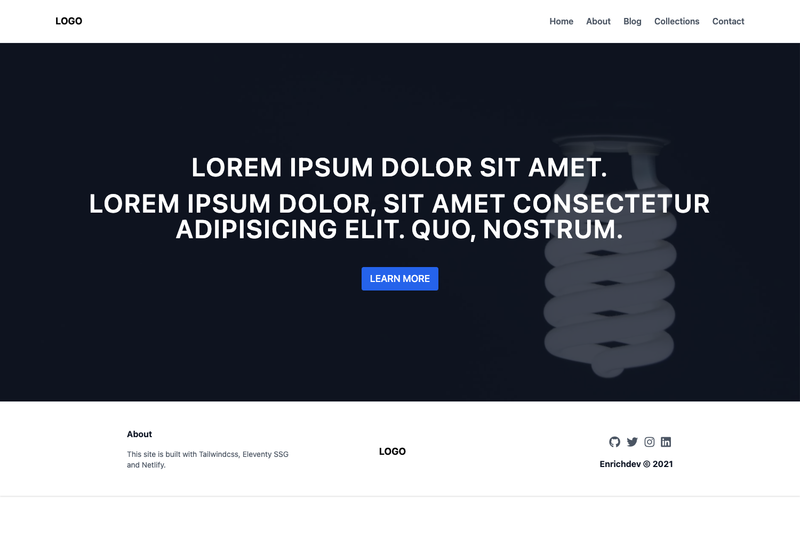
A starter template built with Eleventy static site generator and Tailwindcss
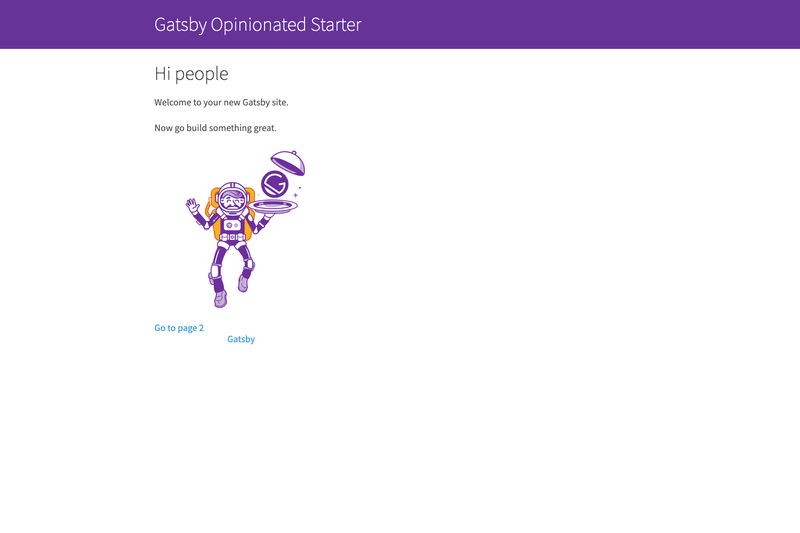
Opinionated Gatsby starter with TypeScript, ESLint, Jest, Storybook, commitizen, semantic-release, and Netlify readiness.
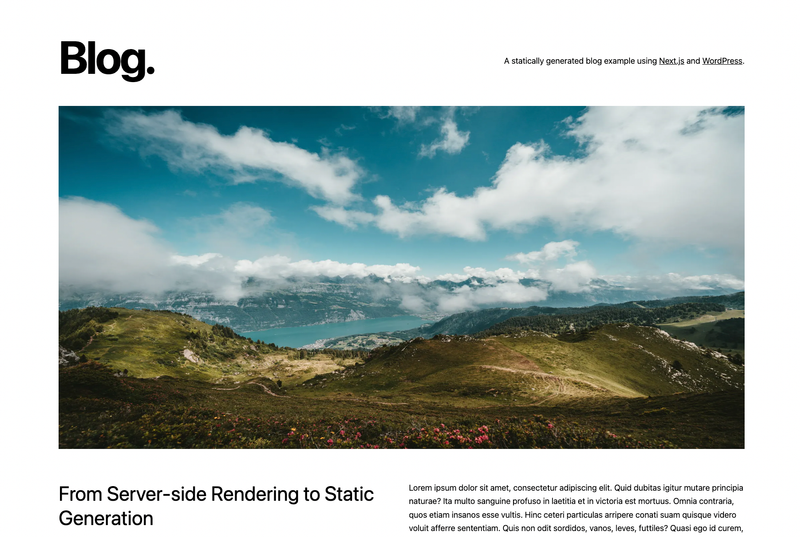
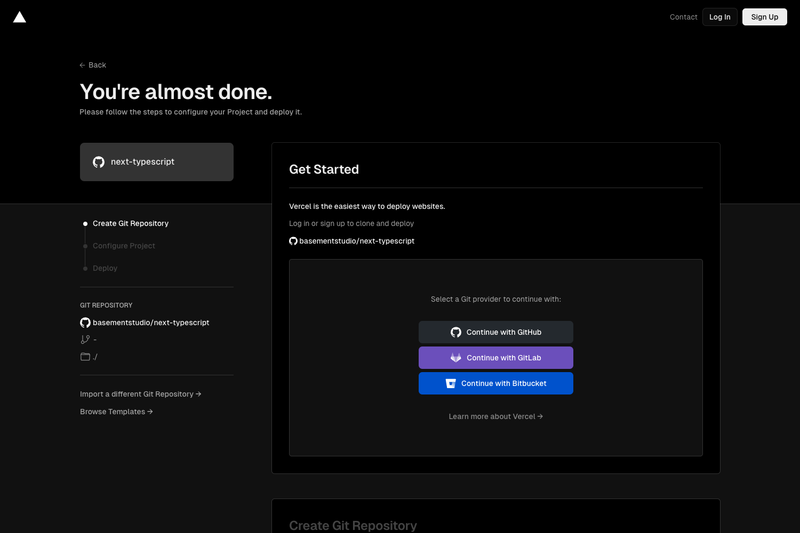
A feature-rich Next.js 14 App Router example using WordPress as a headless CMS with preview mode, sitemaps, redirects, and cache revalidation.
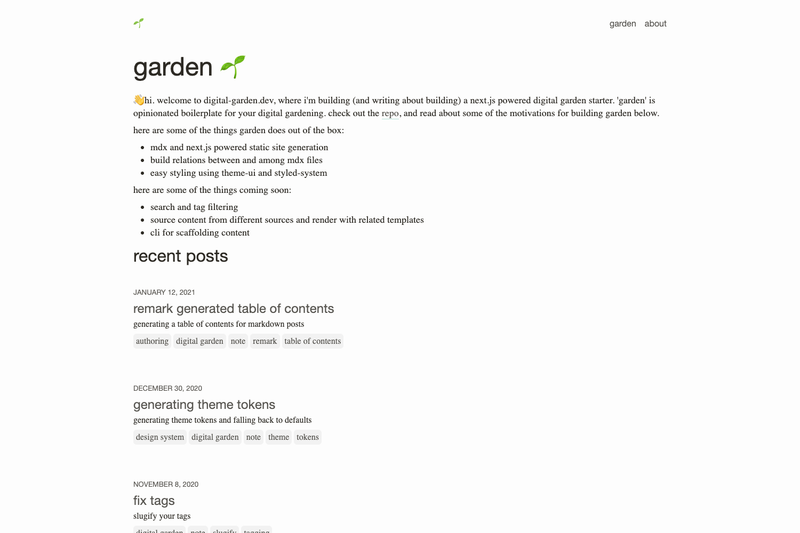
A batteries-included Next.js boilerplate for MDX authoring, with built-in search, theming, CI/CD, and easy deploys.
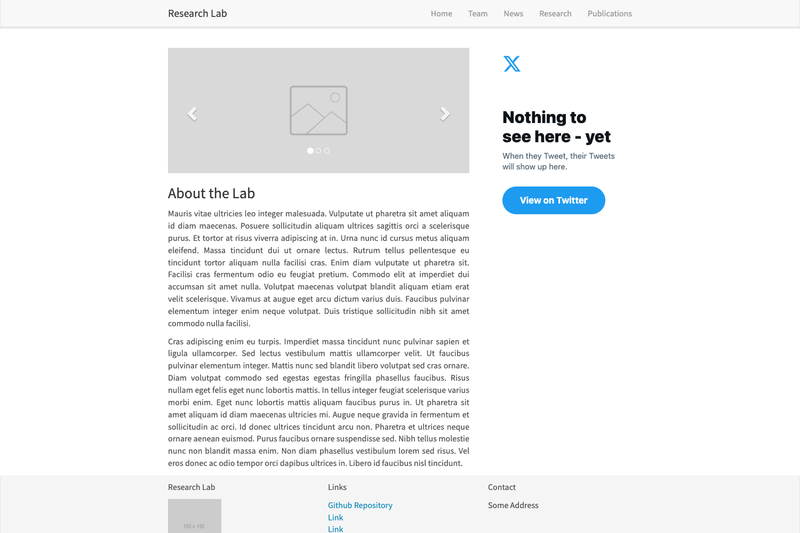
A template for a Research Lab website, built with Jekyll.
Eleventy Starter Tailwindcss is a boilerplate template that pairs the Eleventy static site generator with Tailwind CSS and PostCSS to produce optimized, deploy-ready static websites.
Eleventy Starter Tailwindcss is a starter template for building static sites with Eleventy and Tailwind CSS. It takes source content in the src directory — including Nunjucks templates, HTML partials, and Markdown blog posts — and outputs a fully optimized static site to the _site directory. It runs on Node.js with npm, and it is specifically configured for one-click deployment on Netlify. The template is created by Eric at Enrichdev.
Eleventy Starter Tailwindcss bundles a modern static-site build pipeline with Eleventy as the generator, Tailwind CSS for styling, and Netlify for deployment. It includes:
posts.json data file to structure blog post collections.src/css/tailwind.css and processed via PostCSS; PurgeCSS removes unused CSS and Cssnano optimizes the final output.npm run dev starts a local server at localhost:8080 and renders development files into a _temp directory.npm run prod generates all optimized files into the _site directory, ready for deployment.npm run build and publish directory _site.index.html, about.html, blog.html, collections.html, contact.html, and two example blog posts under src/posts.rimraf for cleaning directories and npm-run-all to orchestrate concurrent npm scripts.This template is aimed at developers and content creators who need a clean starting point for a static site without configuring the toolchain themselves.
src/posts and want a template that outputs a complete blog with listing and collection pages.The template's structure supports several common static site projects.
src/posts, and the template builds a blog with an index, blog listing, and individual post layouts.index.html, about.html, and contact.html pages to present a business or personal profile.Clone the repository, install dependencies with npm install, and run npm run dev for local development. For production, run npm run prod to generate the optimized site in _site. To deploy, use the Netlify one-click button or connect the repository manually with build command npm run build and publish directory _site.
Answers to common questions about setup, output, and deployment.
You need Node.js and npm installed locally. Netlify is optional for deployment; if you use the one-click deploy, a GitHub account is required.
Running npm run prod (or npm run build) generates a fully static site in the _site directory, with minified HTML, optimized CSS (via PurgeCSS and Cssnano), and all assets copied from src.
It uses Eleventy (11ty), a JavaScript-based static site generator. Templates are written in Nunjucks (.njk) and plain HTML, and content can be authored in Markdown.