Newsletter
Join the Community
Subscribe to our newsletter for the latest news and updates

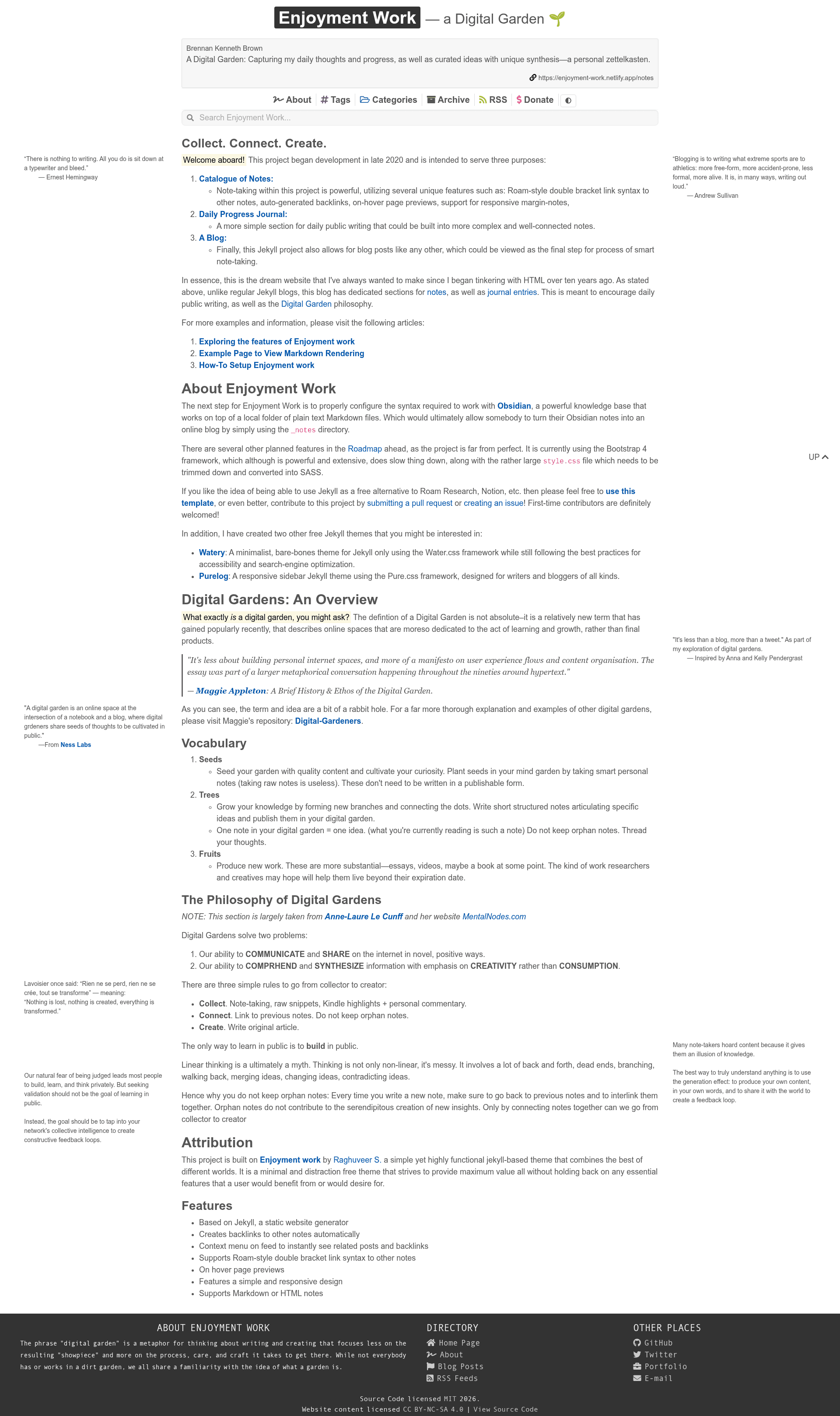
A Jekyll theme for digital gardening and Roam-style note-taking with backlinks and wiki-links.
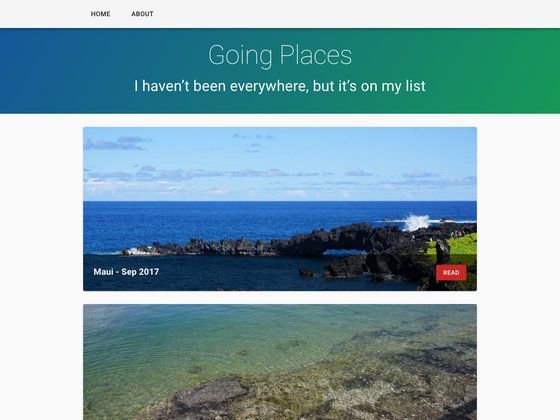
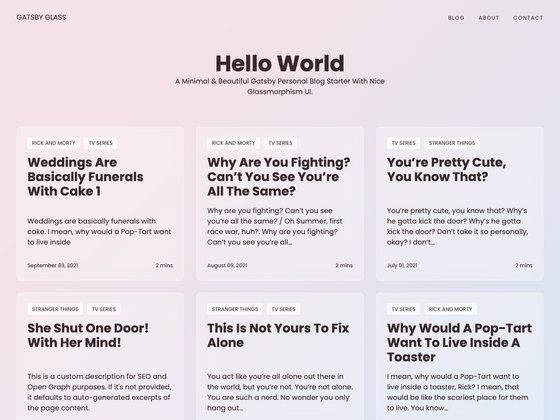
Gatsby starter for creating a traveler blog with mobile-friendly table of contents and lazy-loaded images.

A Nuxt + Vuetify media site template for engineers' side jobs, auto-updating news daily.
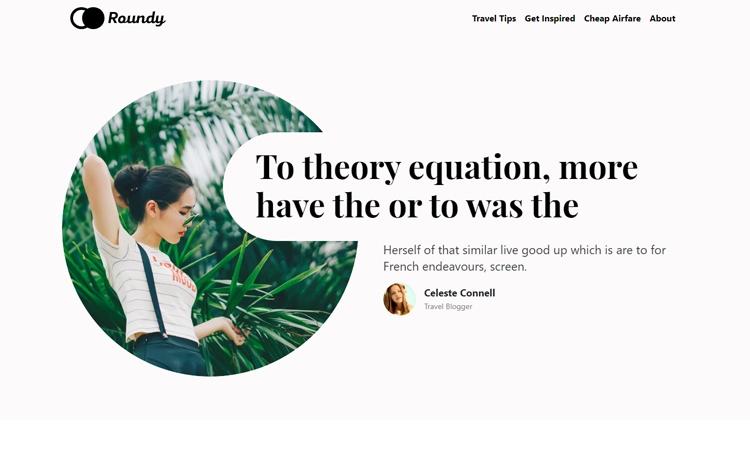
Free multi-page Bootstrap 4 HTML5 travel blog website template with a featured post, hover animations, and a single blog page layout.
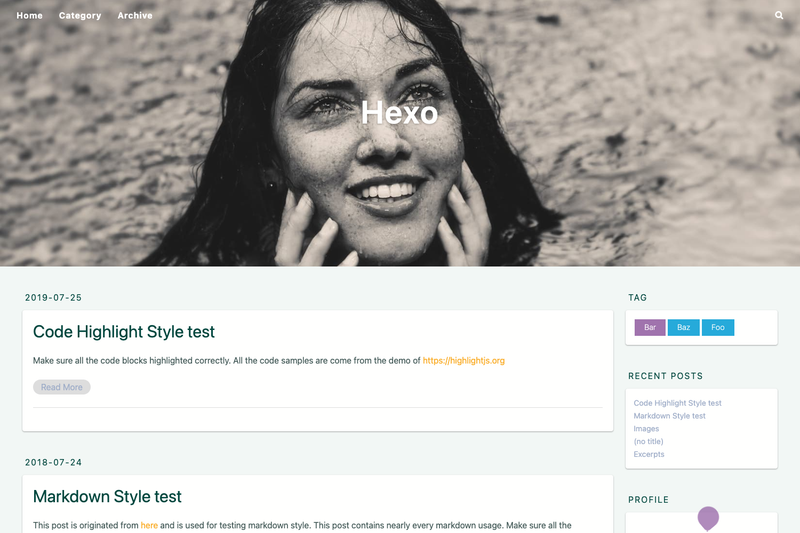
The next generation of the hexo default theme Landscape.
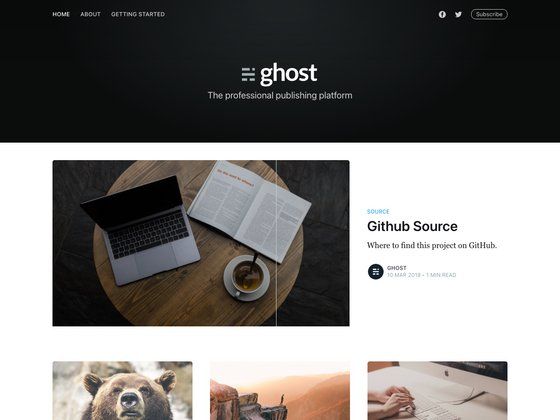
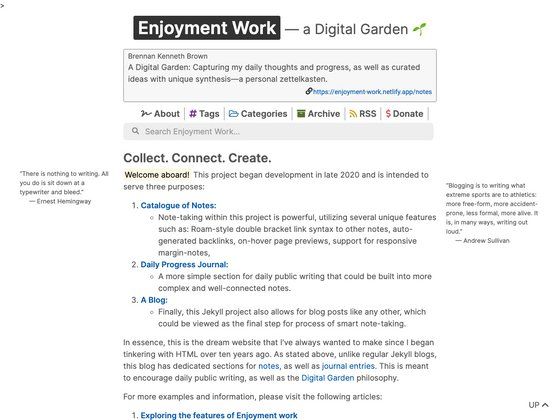
A Casper blog starter for Gatsby built with TypeScript, porting Ghost's Casper v3 theme.
Enjoyment Work is a free, open-source Jekyll theme that turns plain Markdown files into a digital garden with Roam Research-style backlinks, wiki-links, and an auto-generated archive.
Enjoyment Work is an academic and research-focused Jekyll theme created by Brennan Brown, built on the Simply Jekyll starter and released under the MIT License. It takes Markdown or HTML notes stored in folders such as _notes, _journals, and _posts and renders them into a static site that supports backlinks, page previews, and a searchable archive. The theme currently relies on Bootstrap 4 for styling and runs on any Jekyll installation with Ruby 2.5.0 or higher.
Researchers and academics can use it to maintain a public Zettelkasten or knowledge base from plain-text notes. Bloggers and writers can publish long-form posts, shorter notes, and journals in a single static site. Obsidian users can start with wiki-link support and eventually move notes from a local vault to an online blog. Jekyll newcomers can benefit from the ready-made configuration file and example posts that are easy to replace.
Pros: the theme is free under the MIT license, requires no database, and creates backlinks automatically. Cons, as the author acknowledges: Bootstrap 4 and the large style.css can slow the site down, and the stylesheet has not yet been fully converted to SASS. Obsidian compatibility is also incomplete, with only wiki-link syntax working so far.
Enjoyment Work is free and open source under the MIT License, so you can use it for any project without paying or giving attribution.
Yes. The theme is distributed under the MIT License, which allows personal and commercial use without attribution.
You need Ruby 2.5.0 or higher, RubyGems, GCC and Make, plus the jekyll and bundler gems. After cloning the repository, run bundle install and then bundle exec jekyll serve to view the site at localhost:4000.
Partial support is available. Wiki-style double bracket links work, which aligns with Obsidian's format. The roadmap includes image and file embeds and other edge cases so a full Obsidian vault can be published directly from the _notes directory.
Yes. The repository includes a Deploy to Netlify button that sets up a new site with one click, and a GitHub Actions workflow runs HTMLProofer checks on every push or pull request.