Newsletter
Join the Community
Subscribe to our newsletter for the latest news and updates

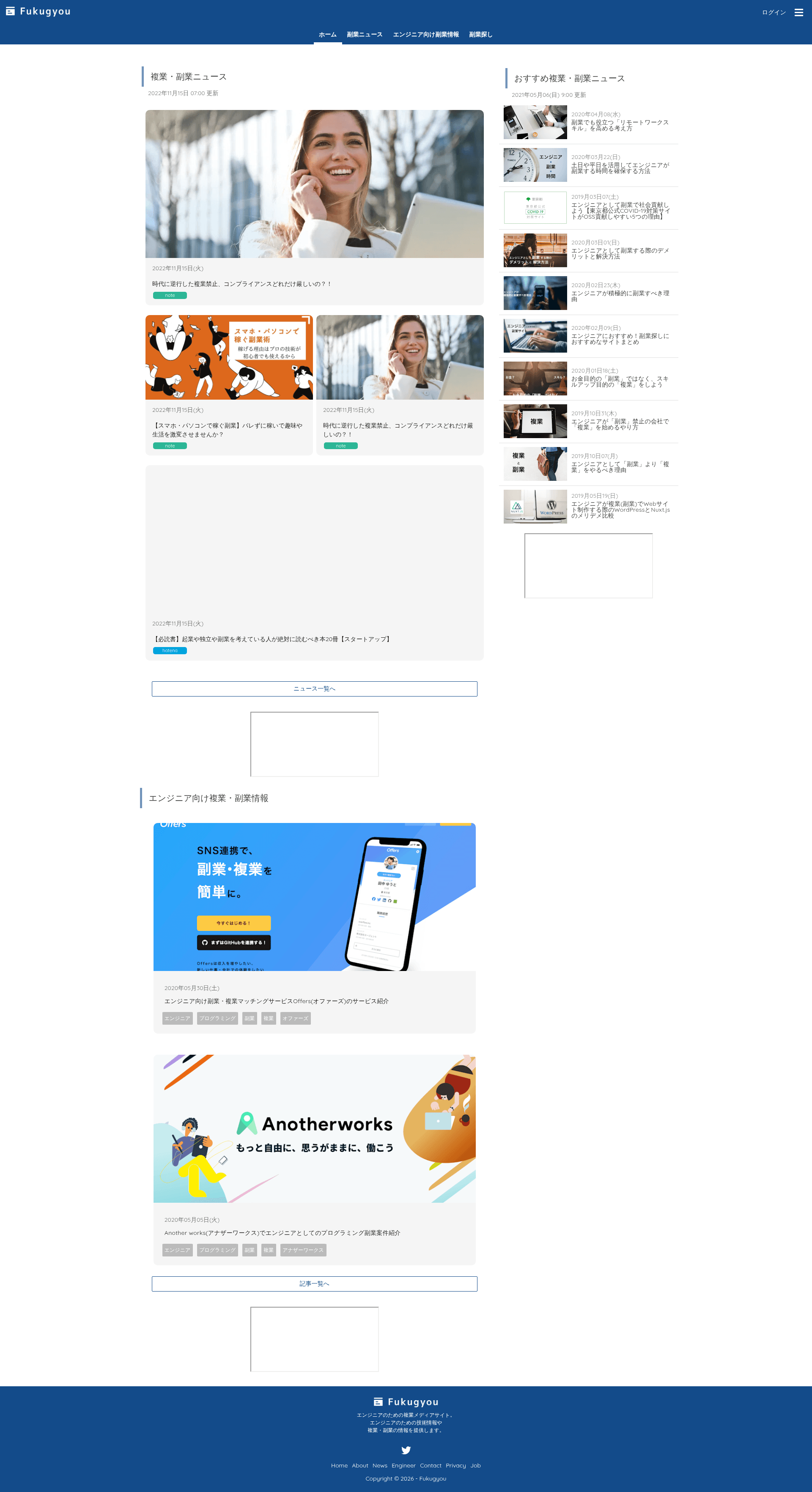
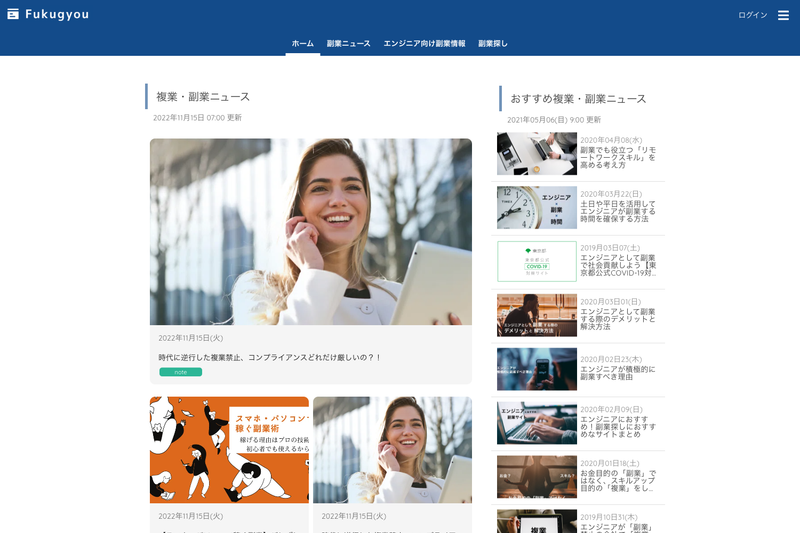
A Nuxt + Vuetify media site template for engineers' side jobs, auto-updating news daily.
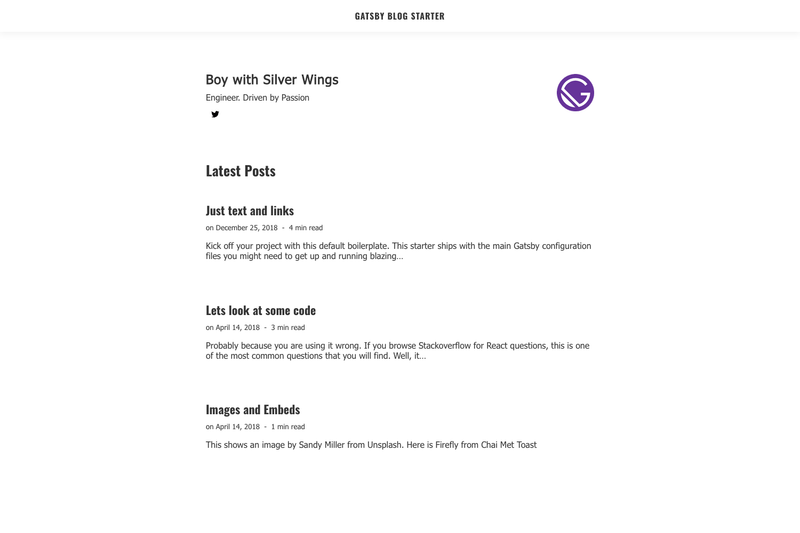
A clean Gatsby blog starter built with styled-components and markdown, ready to deploy on Netlify.
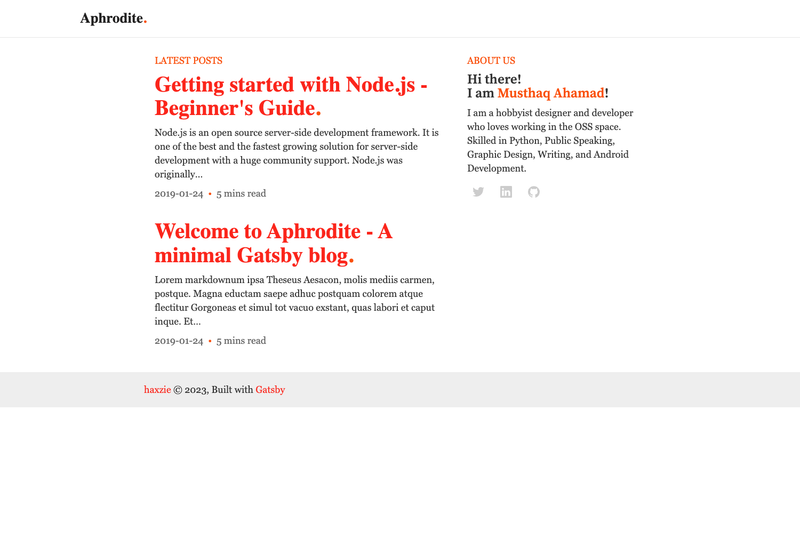
A Beautiful Gatsby Blog template optimized for SEO and Readability inspired from Medium
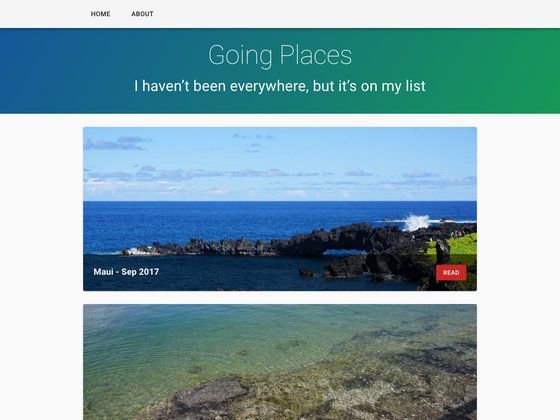
Gatsby starter for creating a traveler blog with mobile-friendly table of contents and lazy-loaded images.

Free multi-page Bootstrap 4 HTML5 travel blog website template with a featured post, hover animations, and a single blog page layout.
Fukugyou is an open-source media site template for engineers' side-job news, built with Nuxt, Vuetify, Contentful, and Firebase, and deployed on Netlify.
Fukugyou is a Nuxt-based template that creates a media site focused on side jobs (副業) for engineers. It ingests content from Contentful, statically generates pages with the Nuxt generate command, and publishes to Netlify for hosting. The project also includes a serverless update pipeline described in its blog posts—combining Python, Firebase, and Heroku—that automatically refreshes news on a daily basis. The repository is hosted in the hikarut GitHub account at https://github.com/hikarut/Fukugyou.
The setup requires creating a .env file with Contentful, Firebase, and AdSense credentials. After running npm install, you can start a dev server with npm run dev or build a static version with npm run generate. The daily updates come from a Python script that runs on Heroku, uses Firebase as a data store, and feeds new Contentful entries to the Nuxt site.
Yes, the template is open source and hosted on GitHub for anyone to clone and use. You only pay for the external services you choose to run, such as Contentful, Firebase, or Heroku.
The main framework is Nuxt.js with Vuetify for UI components, Contentful as the content management system, and Netlify for deployment. The automated news update pipeline uses Python, Firebase, and Heroku as described in the project's blog posts.
Clone the repository, run npm install, create a .env file with the listed variables (SPACE, ACCESS_TOKEN, CONTENT_TYPE, Firebase settings, ADSENSE_ID), then run npm run dev for local development or npm run generate for a production build.
Yes, it has a serverless architecture that automatically updates news every day. The pipeline combines Python, Firebase, and Heroku to refresh the site's content without manual intervention.
In the context of this site, 副業 means side job (moonlighting) and 複業 means multiple jobs or plural work. Fukugyou is a media site that covers news and topics around these working styles for engineers.