
Template details
Flipkart_Clone
Clone of Flipkart using HTML,CSS and JavaScript.
About this template
Flipkart_Clone is an open-source HTML, CSS, and JavaScript project that recreates the Flipkart e-commerce interface as a static website.
What is Flipkart_Clone?
Flipkart_Clone is a static frontend project that mimics the Flipkart e-commerce site using only HTML, CSS, and JavaScript. It takes no server-side input and produces a browser-rendered product listing and shopping-facing interface, runnable by opening index.html in any web browser. The repository is maintained by arghadipmanna101 and is part of GirlScript Summer of Code 2024.
Key Features
- Plain HTML/CSS/JS stack — No frameworks or external CSS libraries; the markup, styling, and interactivity are written in vanilla HTML, CSS, and JavaScript.
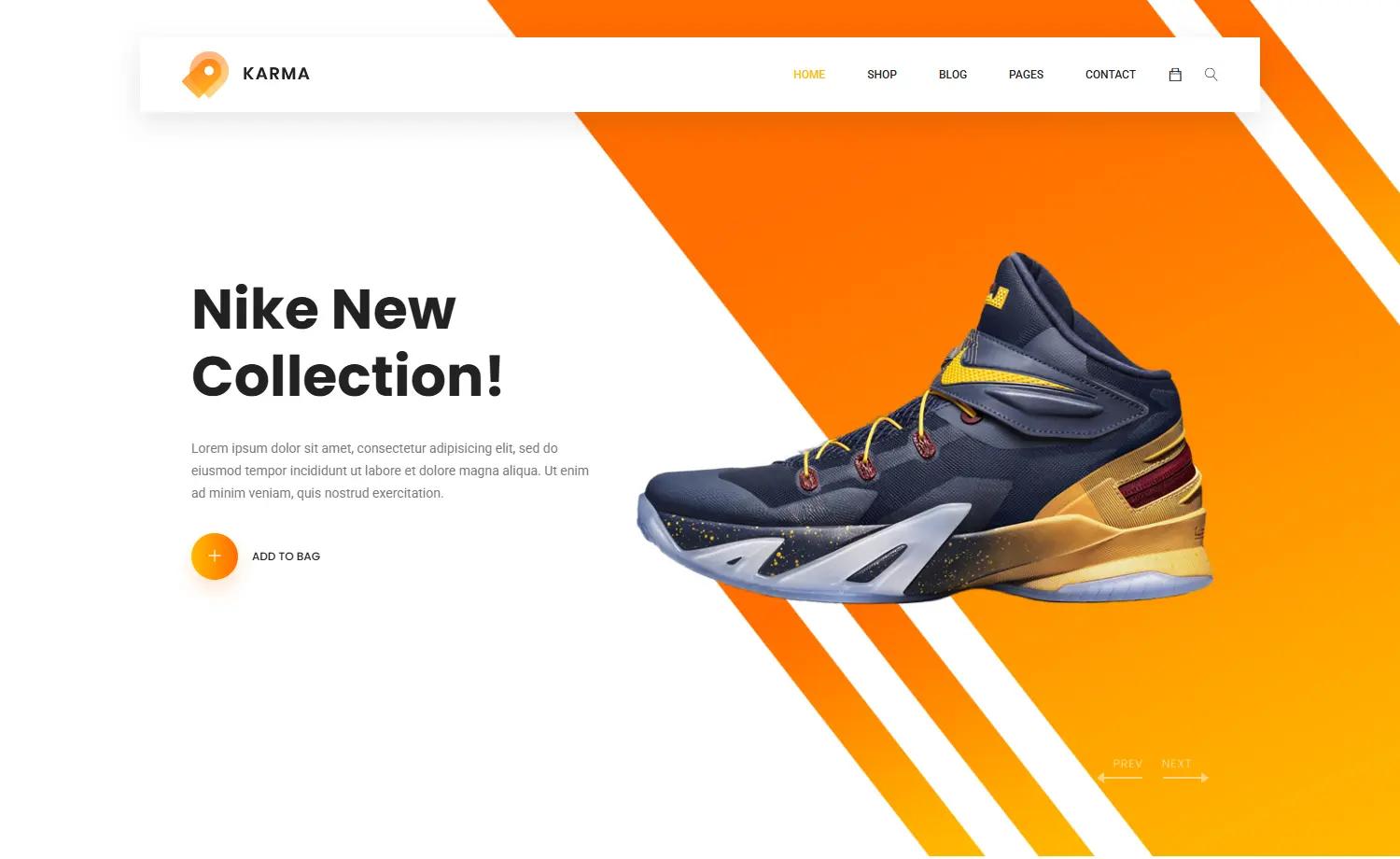
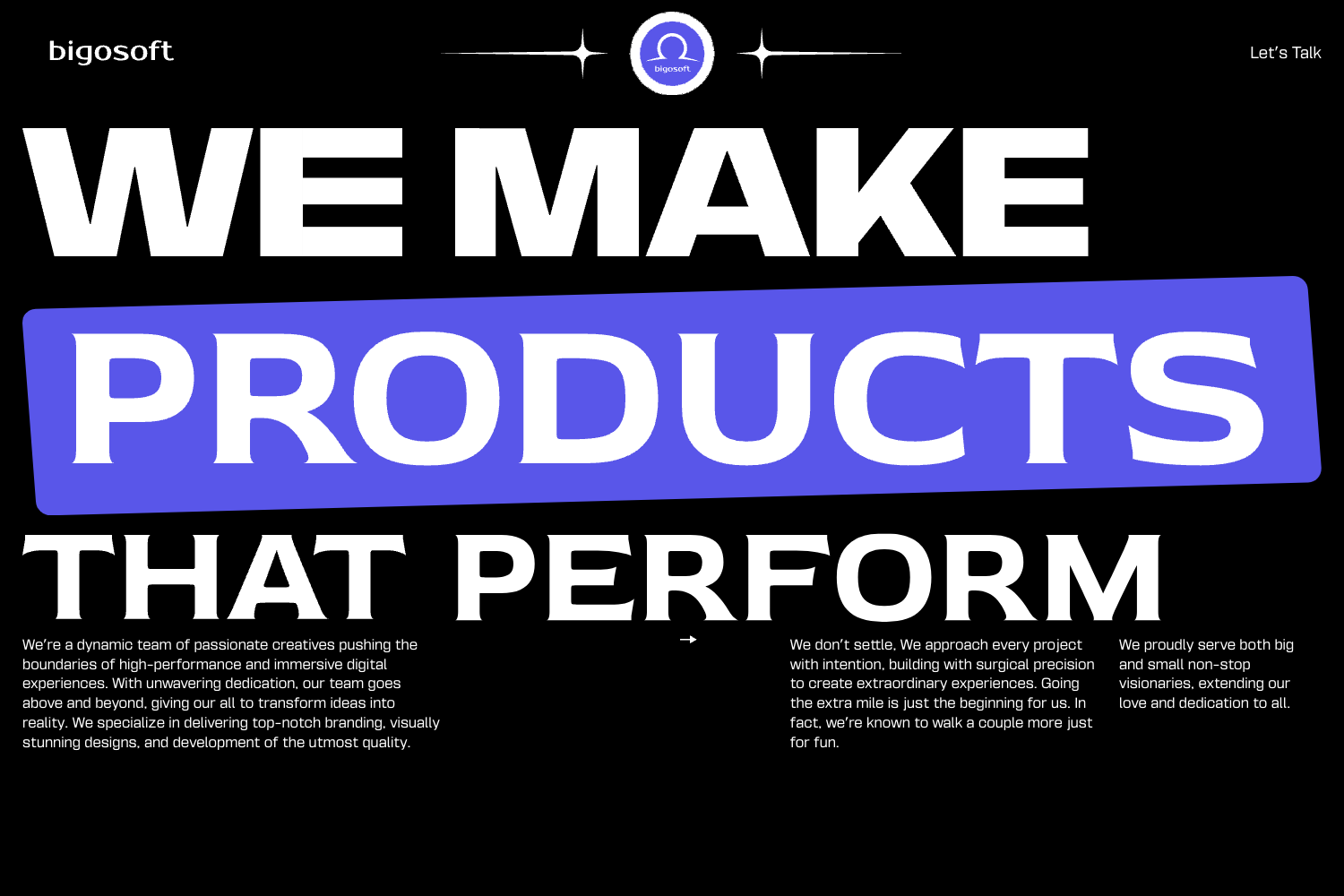
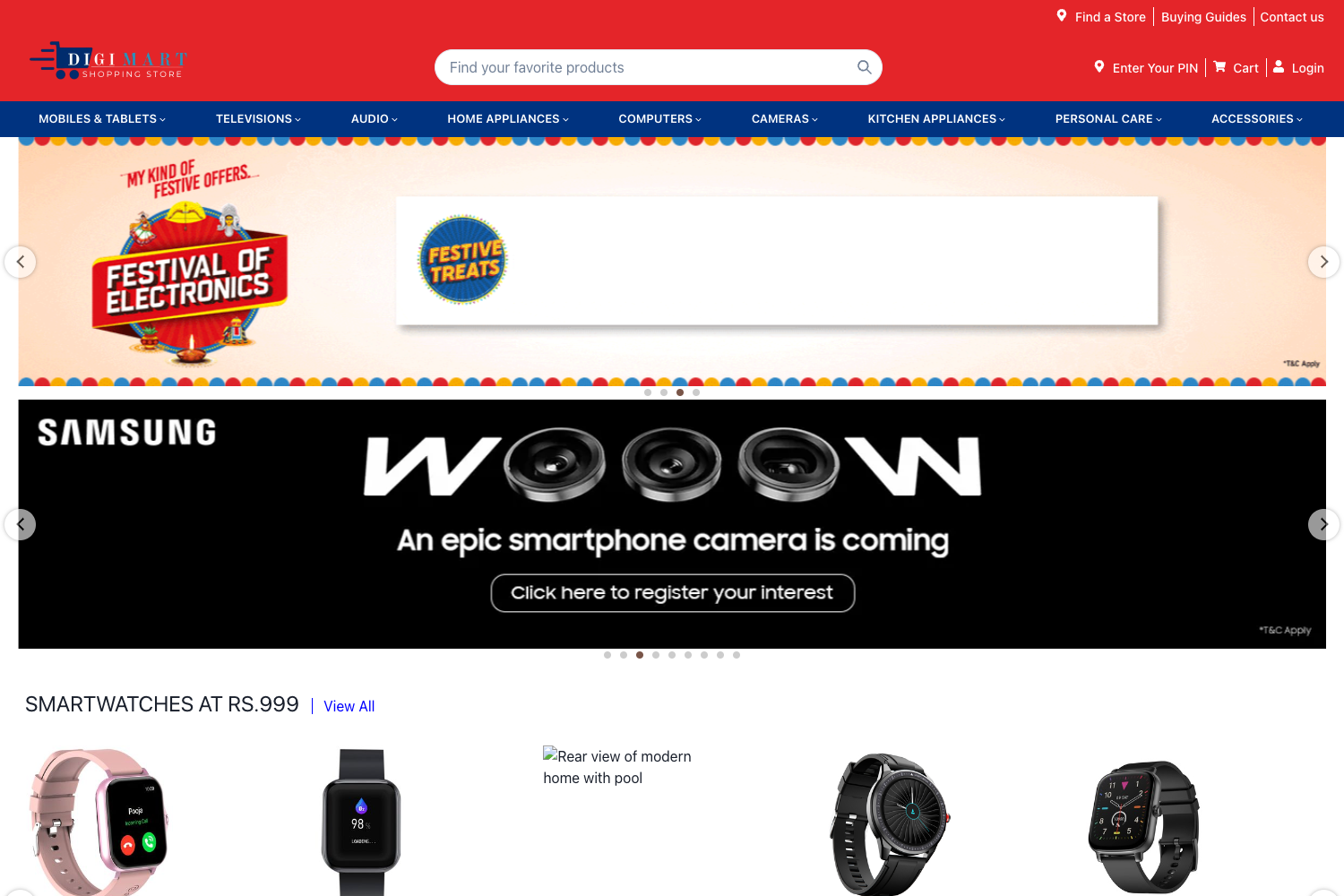
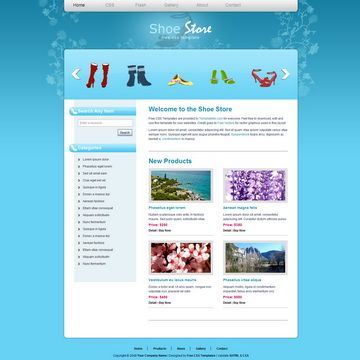
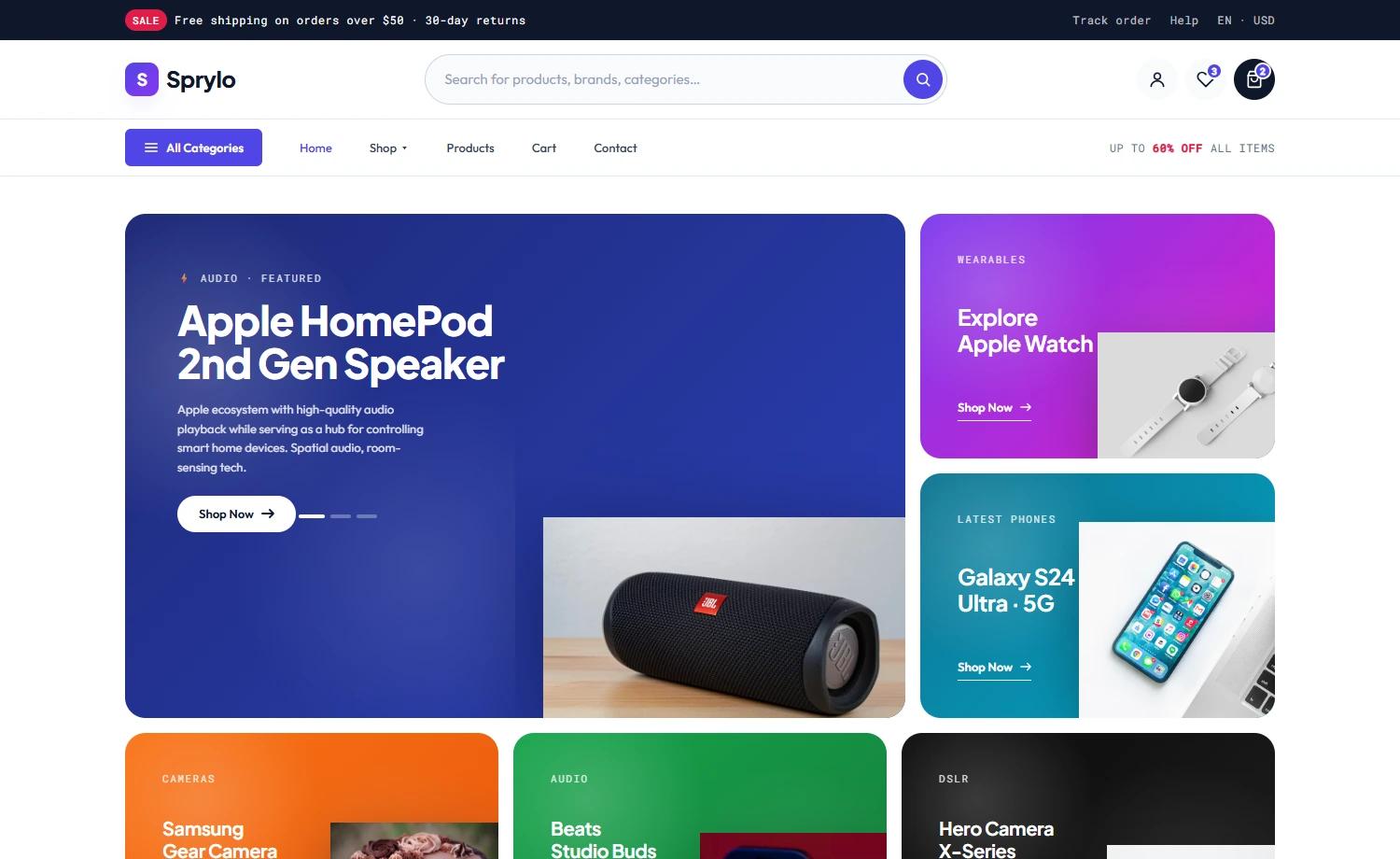
- Static e-commerce layout — Reproduces Flipkart-style navigation, product sections, and a visual landing page as seen in the included screenshots.
- Local preview workflow — The README directs users to install dependencies with
npm installand launch the page via Live Server against index.html. - Contributor onboarding — Includes a step-by-step fork, clone, branch, and pull request guide, plus alternative GitHub Desktop instructions.
- Open-source program badge — Listed as a participating project in GirlScript Summer of Code 2024, targeting beginner contributors.
- Community health files — Ships a Contributor Code of Conduct and an MIT License.
Who is Flipkart_Clone for?
- Frontend learners — can inspect how an e-commerce homepage is structured without the complexity of a framework.
- Open-source newcomers — can practice the full pull request workflow with a beginner-friendly project and guided instructions.
- Hobbyist developers — can use the static layout as a starting point for a personal storefront mockup or to learn basic web hosting.
What can you do with Flipkart_Clone?
- Study an e-commerce UI: Examine the HTML structure and CSS styling that replicate Flipkart's product card grids and header navigation.
- Practice contributions: Fork the repo, create a branch, make changes, and submit pull requests using the documented steps or GitHub Desktop.
- Deploy a static demo: Upload the files to any static host to show a Flipkart-like front page without a backend.
How does Flipkart_Clone work?
The project runs entirely on the client side. After cloning, you run npm install, then open index.html with a Live Server extension to view the page in localhost. Edits to HTML, CSS, or JavaScript are reflected on refresh, and changes can be pushed back to GitHub for a pull request.
FAQ
Is Flipkart_Clone free to use?
Yes, the project is released under the MIT License, so you can freely use, modify, and distribute the code with attribution.
Do I need any frameworks to run Flipkart_Clone?
No, the core rendering uses only HTML, CSS, and JavaScript. The only optional setup step is npm install, which is included in the README before local preview.
Can I contribute to Flipkart_Clone?
Yes, the README provides a full contribution workflow: fork, clone, create a branch, commit, push, and open a pull request. The project also lists itself under GirlScript Summer of Code 2024 for beginner contributions.
Does Flipkart_Clone have a backend or database?
No, this is a static frontend clone. It does not include payment processing, product databases, or account authentication; it focuses on recreating the visual e-commerce experience.