Newsletter
Join the Community
Subscribe to our newsletter for the latest news and updates

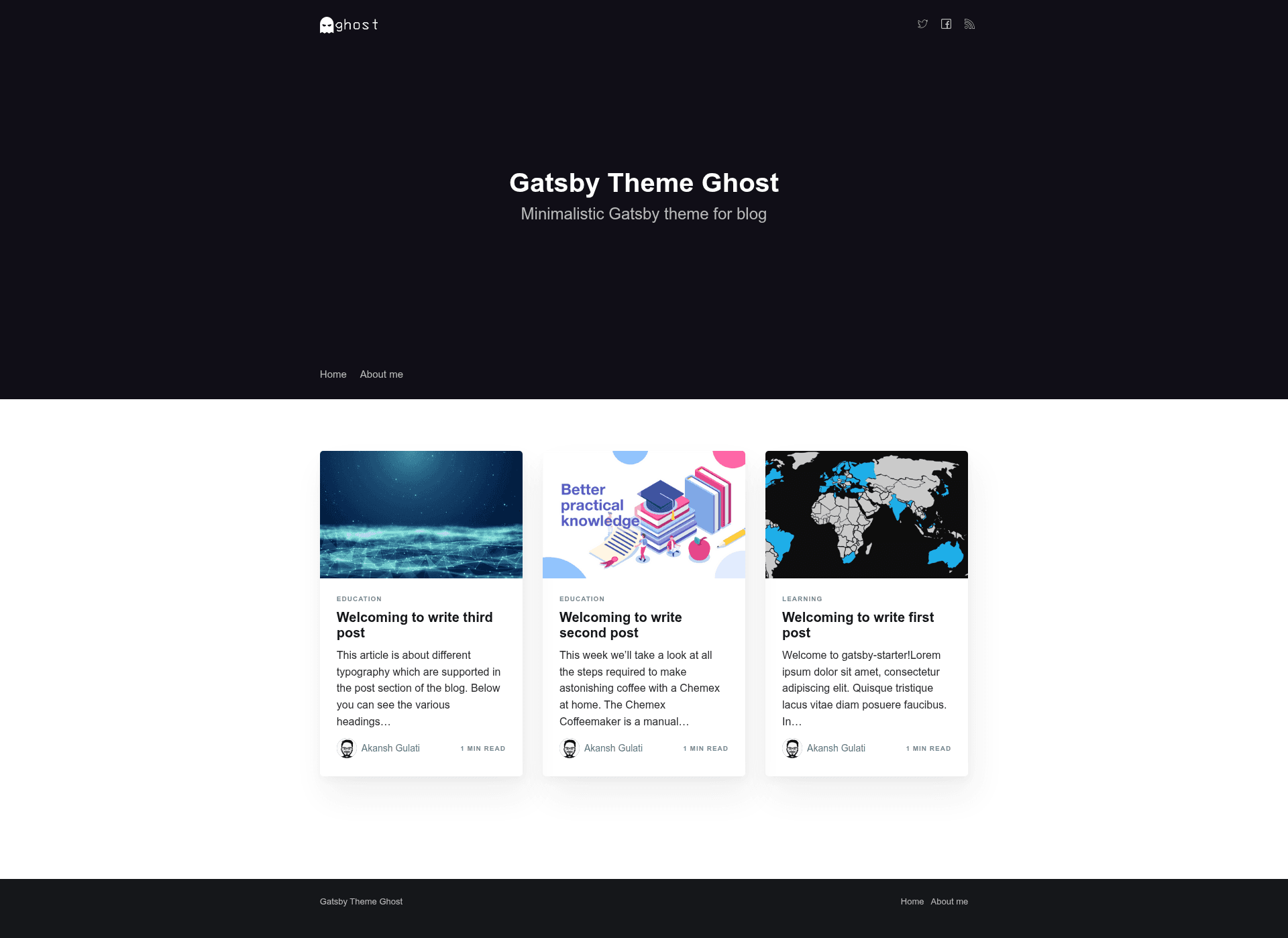
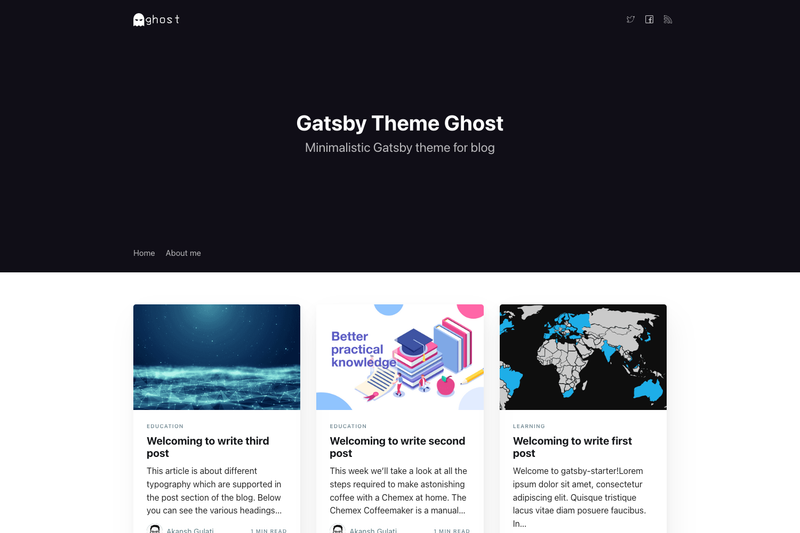
Minimalistic Gatsby theme, mobile and SEO friendly and supports author, tag and static pages.
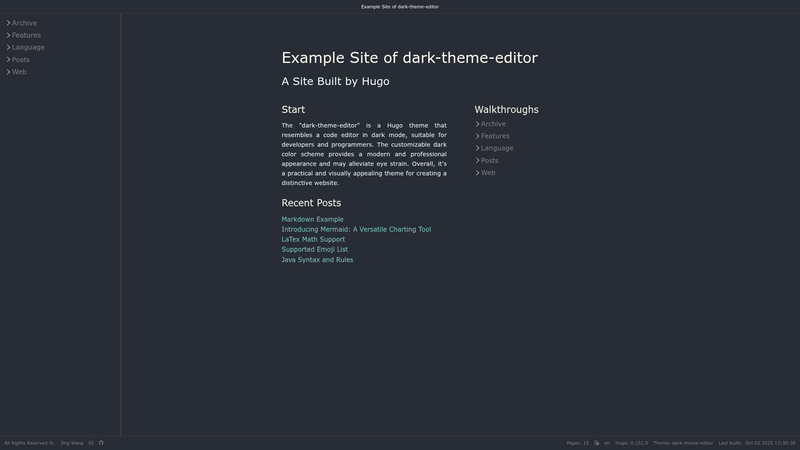
A dark, editor-style blog theme for Hugo with multilingual support, Mermaid, KaTeX math, and SEO tools.

My Russian blog about politics and social problems

A card-style Hexo blog theme with built-in donation, comment, search, lazy-loading, and custom payment features.
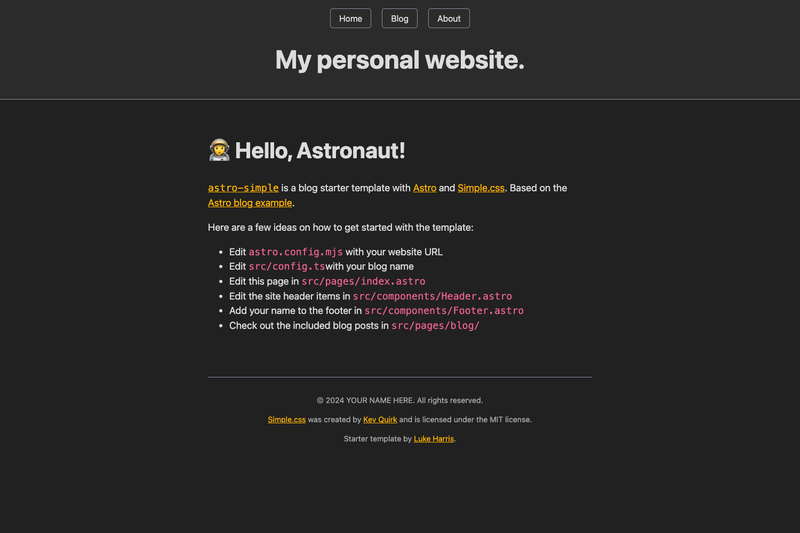
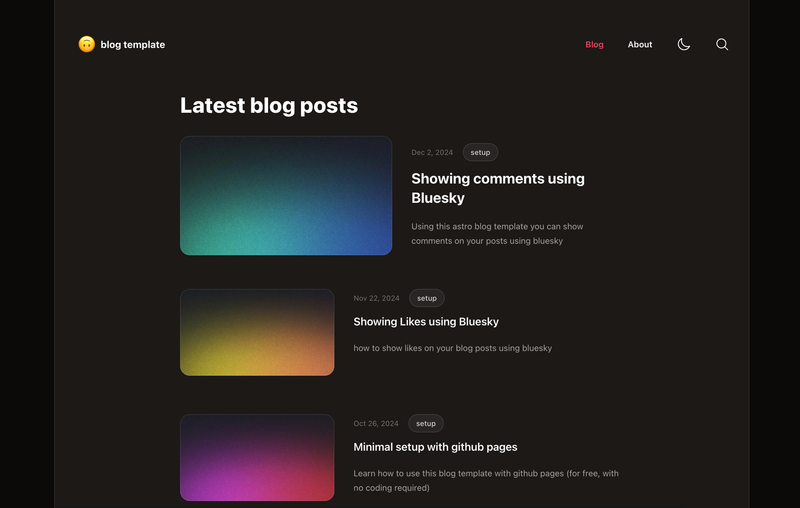
A blog starter template with Astro and Simple.css.
Gatsby Theme Ghost is a minimalistic Gatsby starter theme for building fast, SEO-friendly blogs with author pages, tag pages, static pages, and markdown-based content stored in the repository.
Gatsby Theme Ghost is a minimalistic Gatsby theme for static blogs, created by Akansh Gulati. It accepts markdown files for posts, tags, authors, and pages as input and outputs a compiled static site via Gatsby's React-based build system. The theme is distributed as an npm package and on GitHub under the MIT license.
It is built on Gatsby, so all content is processed at build time and served as static HTML. The theme includes a site configuration file where you set the site URL, posts per page, metadata titles, and social handles. It also exposes GraphQL at localhost:8000/__graphql during development for querying content.
This theme suits bloggers, technical writers, and developers who want a markdown-driven blog in Gatsby without building the entire site from scratch. It also suits anyone looking to deploy a static blog to Netlify quickly.
Install by running gatsby new gatsby-blog akanshgulati/gatsby-theme-ghost, which pre-configures the theme with example content. During development, yarn dev runs a local site at port 8000 with hot reloading and a GraphQL explorer at /__graphql. Content is authored as markdown files in src/posts, src/tags, src/authors, and src/pages, then compiled into static pages on build.
Yes, it is open source and released under the MIT license, so it is free to use and modify for personal and commercial projects.
Add your Disqus shortname to the site configuration file at utils/siteConfig.js. Then set the comment flag to true in a post's markdown frontmatter to show the Disqus comment box.
Each post markdown file needs title, date, slug, draft, tags, author, comment, feature_image, created_at, published_at, and updated_at. Tags and authors must be defined in their own markdown files first.
Yes, it supports static pages. Create a markdown file under src/pages with title, date, draft, slug, created_at, published_at, and updated_at fields; the body becomes the page content.