Newsletter
Join the Community
Subscribe to our newsletter for the latest news and updates

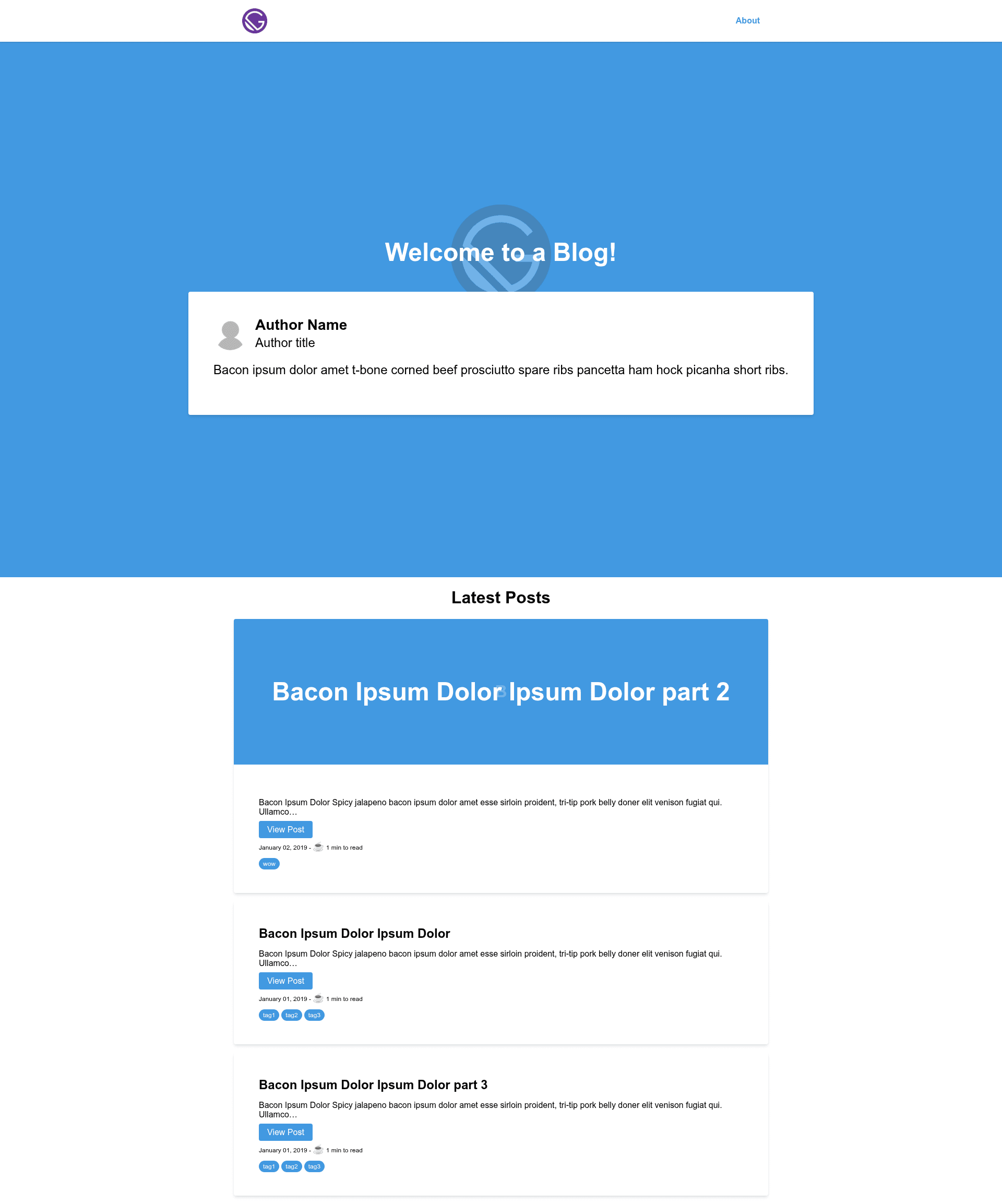
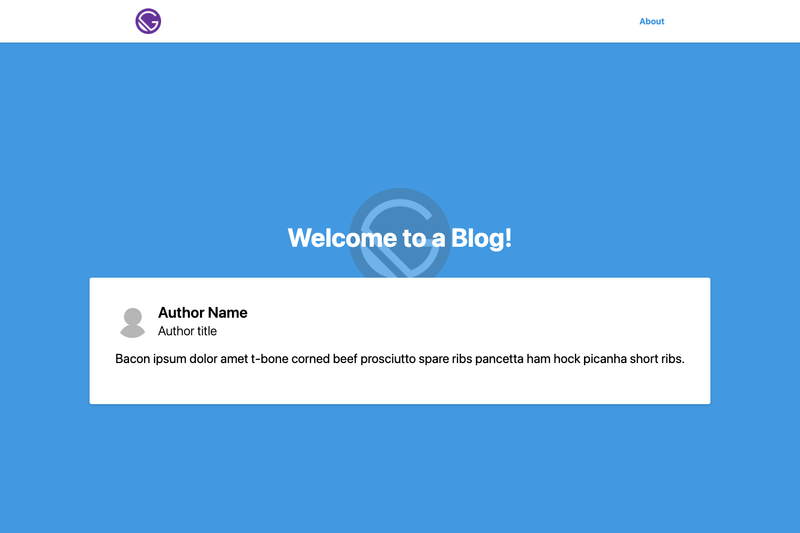
A minimalistic Gatsby Blog Theme styled with TailwindCSS
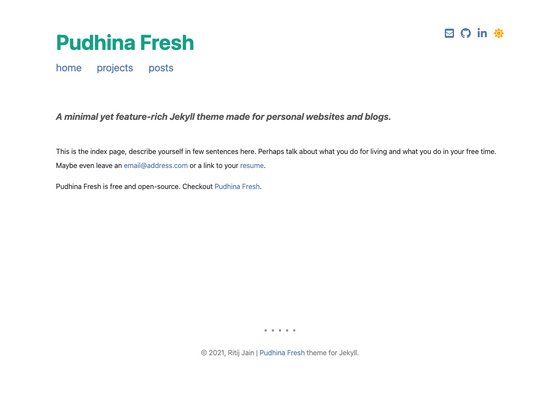
A minimal, feature-rich Jekyll theme for personal websites and blogs with dark mode, tag pages, and a masonry project showcase.
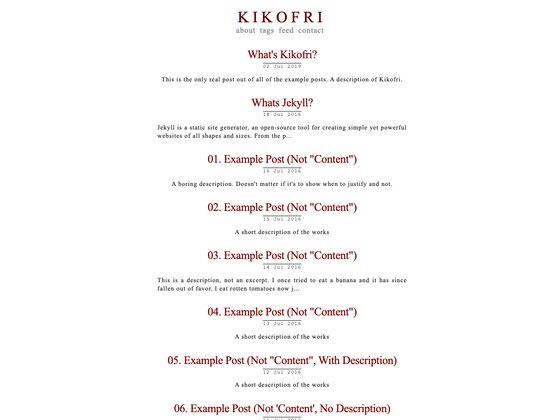
A minimal Jekyll theme forked from Kiko, designed to be ugly and old-school, with liquid micros and case-based tag sorting.
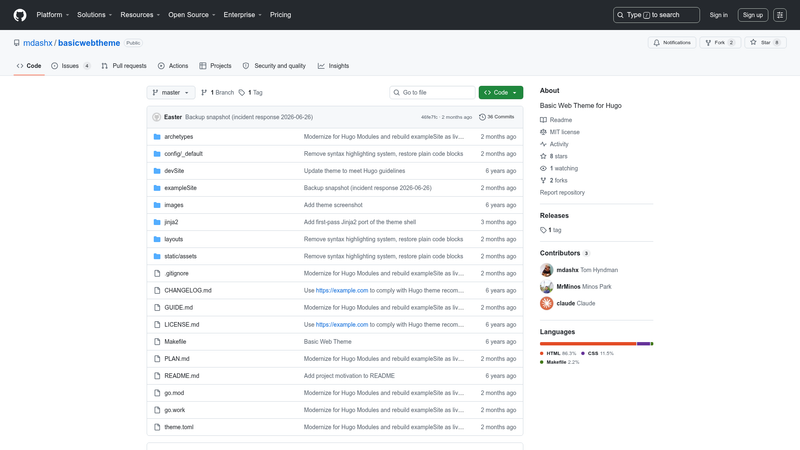
A minimal Hugo theme that lets content stand out by relying on default browser styles and minimal CSS classes.

A modern, responsive Hugo theme for news and media sites, built with Tailwind CSS and Alpine.js.
Gatsby Theme Tailwind Blog is a minimalistic blog theme for Gatsby that combines Tailwind CSS and Emotion for styling, letting you publish Markdown posts as a static blog. It is available on npm as @phizzard/gatsby-theme-tailwind-blog and is comparable in scope to the official Gatsby blog theme but with a more opinionated look.
Gatsby Theme Tailwind Blog is a Gatsby theme — a plugin that adds a blog to a Gatsby site. It takes Markdown files from a content directory (default content/posts) and generates blog posts, while assets are read from a separate assets directory (default content/assets). The theme runs on Gatsby, so it produces a static site with React and GraphQL under the hood. The package is published by the npm user @phizzard.
tailwind.js config file is generated via npx [email protected] init.contentPath option in gatsby-config.js sets where your Markdown posts live.assetsPath option sets the directory for images and other assets.basePath option determines the root URL where the blog is served (default /).npm or yarn and add to the plugins array with your chosen options.contentPath directory; the theme publishes them as a static blog.basePath and store supporting images in the assetsPath directory.tailwind.js file and Emotion styles.npm install --save @phizzard/gatsby-theme-tailwind-blog or yarn add @phizzard/gatsby-theme-tailwind-blog.plugins array in gatsby-config.js and set the contentPath, assetsPath, and basePath options.npx [email protected] init to create the tailwind.js config file.Gatsby Theme Tailwind Blog is a minimalistic blog theme for Gatsby that uses Tailwind CSS and Emotion for styling. It takes Markdown files from a configurable content directory and generates a static blog, similar in scope to the official Gatsby blog theme.
Install the package with npm install --save @phizzard/gatsby-theme-tailwind-blog or yarn add @phizzard/gatsby-theme-tailwind-blog, then add it to the plugins array in your gatsby-config.js.
The theme accepts three options: contentPath for the directory of Markdown posts (default content/posts), assetsPath for assets like images (default content/assets), and basePath for the blog's URL root (default /).
Run npx [email protected] init to create a tailwind.js file, then edit that file to override default Tailwind design tokens.
The theme provides a basic set of blog components and styling; its scope is described as similar to the official Gatsby blog theme, so you should expect standard post listing and detail views at a minimal level.