Newsletter
Join the Community
Subscribe to our newsletter for the latest news and updates

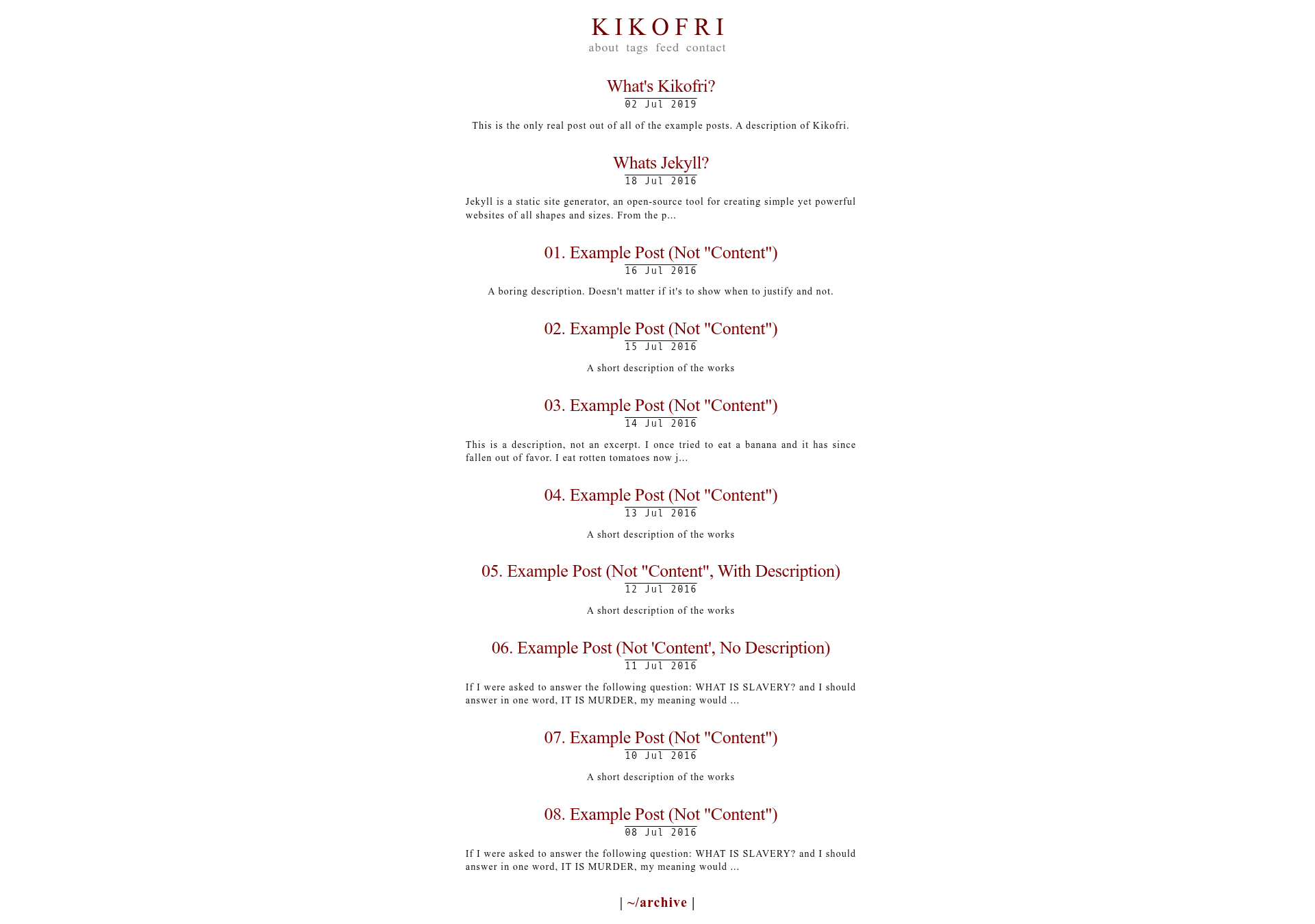
A minimal Jekyll theme forked from Kiko, designed to be ugly and old-school, with liquid micros and case-based tag sorting.
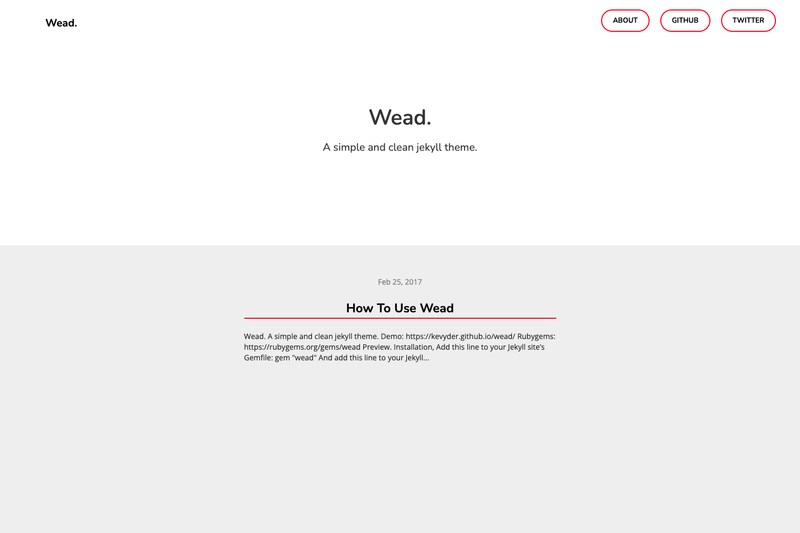
A simple and clean Jekyll theme for blogs, distributed as a Ruby gem.
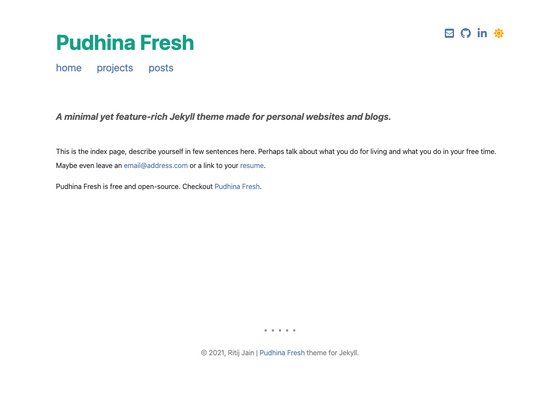
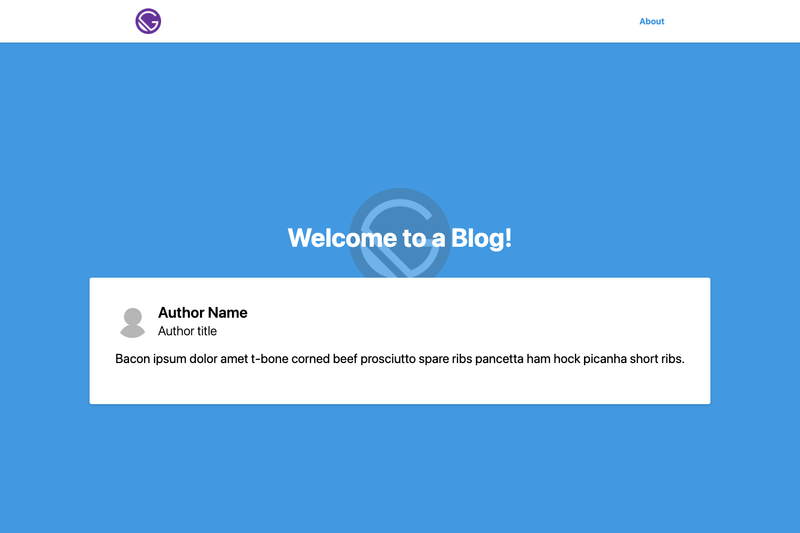
A minimal, feature-rich Jekyll theme for personal websites and blogs with dark mode, tag pages, and a masonry project showcase.
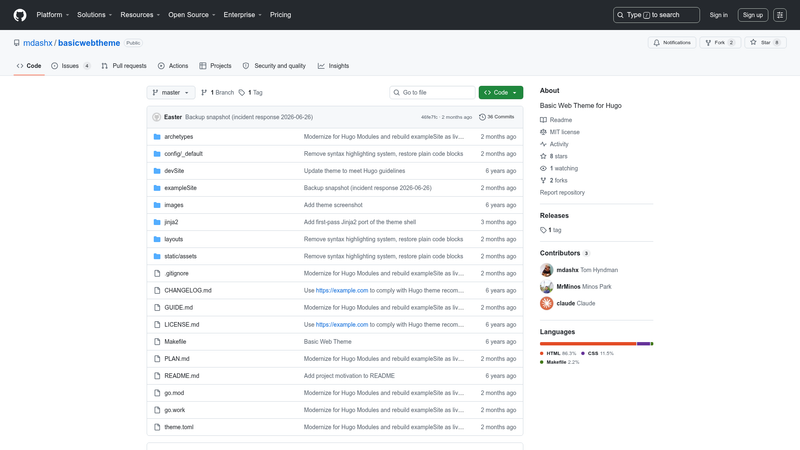
A minimal Hugo theme that lets content stand out by relying on default browser styles and minimal CSS classes.
Kikofri is a minimal, deliberately ugly Jekyll theme forked from the Kiko theme, built for static blogs and personal sites that run on Jekyll and GitHub Pages.
Kikofri is a Jekyll theme created by kxxvii as a fork of the Kiko theme. It takes standard Jekyll site content — posts, pages, and front matter — and renders a bare-bones, old-school HTML site with no JavaScript framework and no CSS framework. The theme is released under the Apache License 2.0 and is intended for developers who want a foundation to hack on rather than a polished product.
µ#[link][reference]#µ, creates Wikipedia-style references without extra plugins; the author calls these "micros."jekyll s after cloning, or deploy to GitHub Pages by adding gh-pages to the Gemfile._config.yml, edit about.md, and create posts with front matter fields like title, description, author, and layout._posts with front matter, and the theme renders them as a list with descriptions.gh-pages to the Gemfile, and get a live static site from the gh-pages branch.jekyll s to start the local development server._config.yml for site name and navigation, update about.md, and delete example posts and images._posts with the required front matter (e.g., title, description, author, layout).Yes, Kikofri is open source and released under the Apache License 2.0. You can use, modify, and distribute it, including for commercial projects, as long as you retain the original copyright notice.
Fork or clone the repository from GitHub, then run jekyll s to serve it locally. For GitHub Pages deployment, add gh-pages to your Gemfile and follow Jekyll's standard GitHub Pages setup.
Yes, tags are supported. The theme categorizes posts under /tags, and sorting is controlled by the case of the first letter of each tag in the post's front matter: uppercase for top placement, lowercase for bottom, and consistent case for alphabetical order.
Yes. The README explains that you can change the site name and navigation in _config.yml, modify about.md, and remove example content. However, the theme deliberately has no CSS framework or UI kit, so visual changes require editing the bundled stylesheet or templates manually.