Newsletter
Join the Community
Subscribe to our newsletter for the latest news and updates

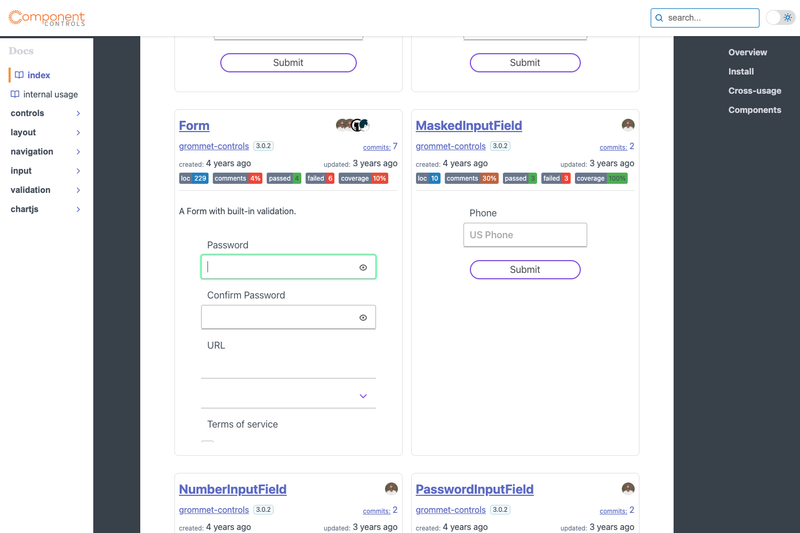
Grommet Controls is a library of extension components for Grommet 2, adding tables, forms, inputs, and charts.
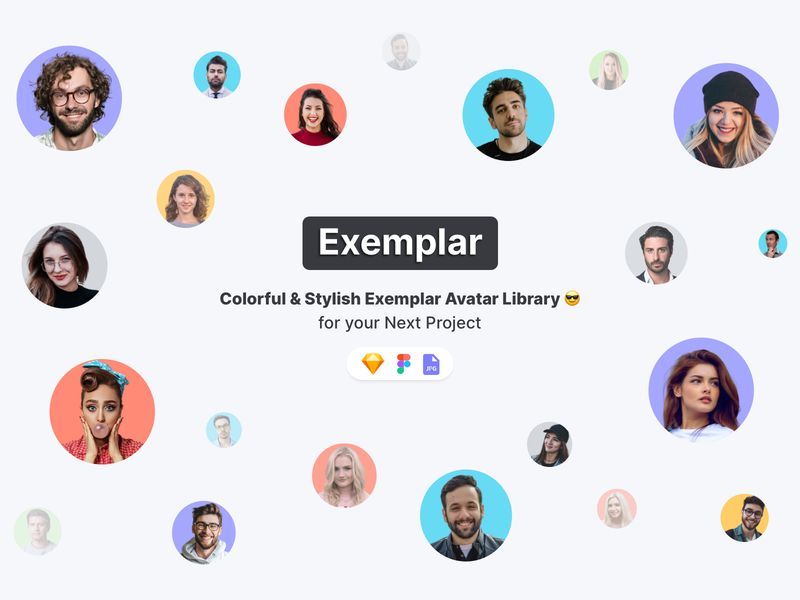
Exemplar is a free avatar library with 20 customizable avatars for Figma and Sketch, usable in websites, apps, and mockups.
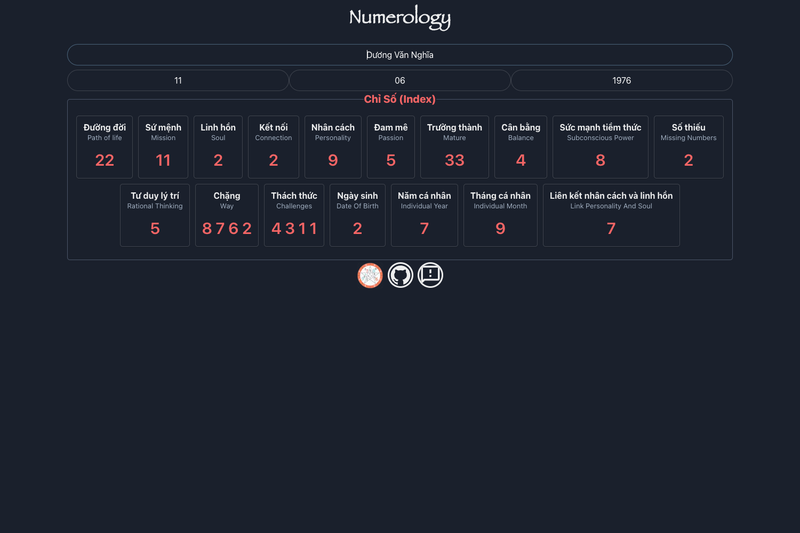
Next.js and Chakra UI web app for looking up numerology (thần số học) numbers, with a live demo site.

Utility and component-centric design system leveraging Bootstrap 5 for rapid, responsive UI development.
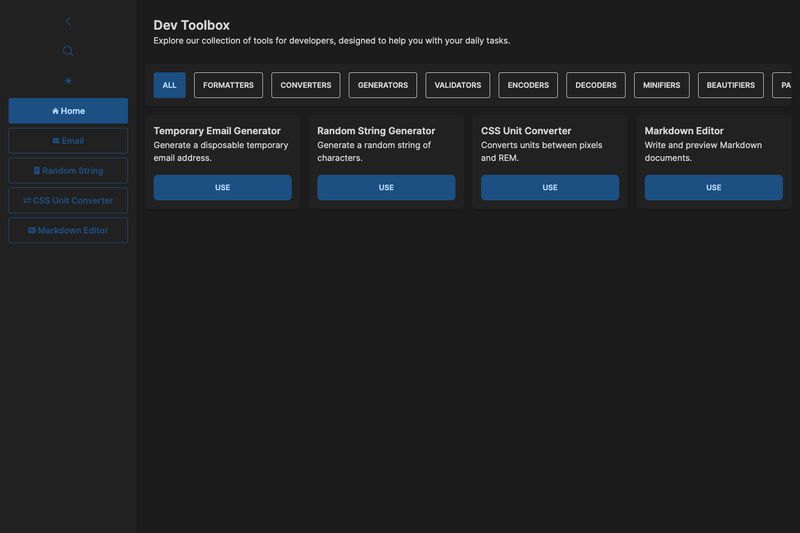
Dev Toolbox is a free and open source collection of tools for everyday use to speed up your daily workflow as a developer.
Grommet Controls is a library of extension components for Grommet 2, the React-based UI toolkit, adding data tables, form inputs, notifications, layout elements and Chart.js chart wrappers to a Grommet application.
Grommet Controls is a collection of controls built on top of Grommet 2, the React UI framework. It extends Grommet with a PagingTable that offers pagination, filtering, footer, child rows and grouping; input controls such as MaskedInput, DateInput, NumberInput, PasswordInput, EmailInput, ColorInput and DropInput; and layout components including Sidebar, VerticalMenu, Value, Spinning and Notification. The library also includes Chart.js wrappers for BarChart, DoughnutChart, HorizontalBarChart, LineChart, PieChart, PolarChart, RadarChart and ScatterChart, which require the chart.js and react-chartjs-2 packages.
Install the package with npm install grommet-controls and import components directly. For member imports, configure babel-plugin-transform-imports with entries for grommet-controls, grommet-controls/chartjs, and grommet-controls/themes to keep bundles lean. The documentation site at grommet-controls.netlify.app provides details and examples, and a sample application is available to clone from the grommet-controls-sample GitHub repository.
Grommet Controls is a set of extension components for Grommet 2, a React UI framework. It provides tables, form inputs, notifications, layout elements and Chart.js chart wrappers that you can drop into a Grommet-based app.
Run npm install grommet-controls in your project. For Chart.js components, you also need to install chart.js and react-chartjs-2.
The repository metadata lists Next.js as a related topic, and a sample app can be cloned from GitHub. Since the components are React-based, they can be used in a Next.js project, though the documentation focuses on Grommet 2.
No. You can configure babel-plugin-transform-imports to load only specific member components, which reduces bundle size and prevents the full library from being pulled into your bundles.