
Template details
Hugo Lithium
A simple responsive blog theme for Hugo with Disqus comments and Google Analytics built in.
About this template
Hugo Lithium is a simple responsive blog theme for the Hugo static site generator that turns Markdown content into a blog with Disqus comments and Google Analytics tracking.
What is Hugo Lithium?
Hugo Lithium is a minimal blog theme developed by jrutheiser, distributed via GitHub under the MIT license. It runs on Hugo, a static site generator written in Go, and takes Markdown files as input: posts created with hugo new post/<post-name>.md and pages with hugo new page/<page-name>.md. Its output is a static, responsive website that visitors can read on any device. The theme is intentionally light, providing a clean reading experience without page builders or client-side frameworks.
Key Features
- Blog layout — A dedicated post content type, created with the
hugo new post/command, that renders a standard single-column article layout. - Page support — A separate page content type (
hugo new page/) for static content such as an About or Contact page, outside the blog stream. - Responsive design — The theme adapts to mobile, tablet, and desktop viewport widths, with no separate mobile theme required.
- Disqus integration — An optional Disqus comment section is included, activated by adding your Disqus shortname in
config.toml. - Google Analytics — Built-in Google Analytics support is enabled by setting the
googleAnalyticsproperty in the site configuration. - MIT licensed — The source code is freely available for personal and commercial use; attribution and license retention are the only requirements.
- Example site included — The repository ships an
exampleSitefolder with a sampleconfig.tomlthat demonstrates the available configuration options.
Who is it for?
- Hugo beginners — People learning Hugo who want a straightforward theme to get a blog online quickly without adjusting complex settings.
- Personal bloggers — Writers who publish posts and a few static pages and need Disqus comments plus Google Analytics, all configured from a single
config.toml. - Developers building minimal sites — Developers who want a small, readable codebase to fork and customize since the theme is a single lightweight template set.
- Static-site purists — Those who want no JavaScript frameworks or build steps beyond Hugo itself, producing fast-loading plain HTML pages.
What can you do with Hugo Lithium?
- Publish blog posts — Run
hugo new post/<post-name>.md, write in Markdown, and Hugo will render it as an entry in the blog list. - Create static pages — Use
hugo new page/<page-name>.mdto add pages like About or Contact that sit outside the chronological post feed. - Enable comments — Set your Disqus shortname in
config.tomland every post gets a threaded comment section without extra setup. - Track visitors — Add your Google Analytics tracking ID to the config and the theme injects the tracking snippet on every page.
How does Hugo Lithium work?
Installation is a two-step command-line process: first create a themes folder inside your Hugo site, then clone the repository with git clone https://github.com/jrutheiser/hugo-lithium-theme. Next, copy the sample config.toml from the exampleSite folder into your site root and adjust settings such as title, Disqus shortname, and Google Analytics ID. Finally, create content with the hugo new commands and run hugo to generate the static site.
FAQ
Is Hugo Lithium free?
Yes. The theme is open source and released under the MIT license, which permits free use, modification, and redistribution, including in commercial projects. The only condition is that the original copyright notice and license text are retained in copies or substantial portions of the software.
Does Hugo Lithium support comments and analytics?
Yes, it includes both Disqus and Google Analytics support out of the box. Disqus is activated by adding your site's shortname in the config.toml file, and Google Analytics is enabled by setting the googleAnalytics property in the same file. No other configuration is required.
What content types does Hugo Lithium have?
Hugo Lithium provides two content types: post for blog entries and page for static site pages. Posts are created with the command hugo new post/<post-name>.md, and pages are created with hugo new page/<page-name>.md. Both accept Markdown content and are rendered as standalone HTML pages.
Is Hugo Lithium responsive?
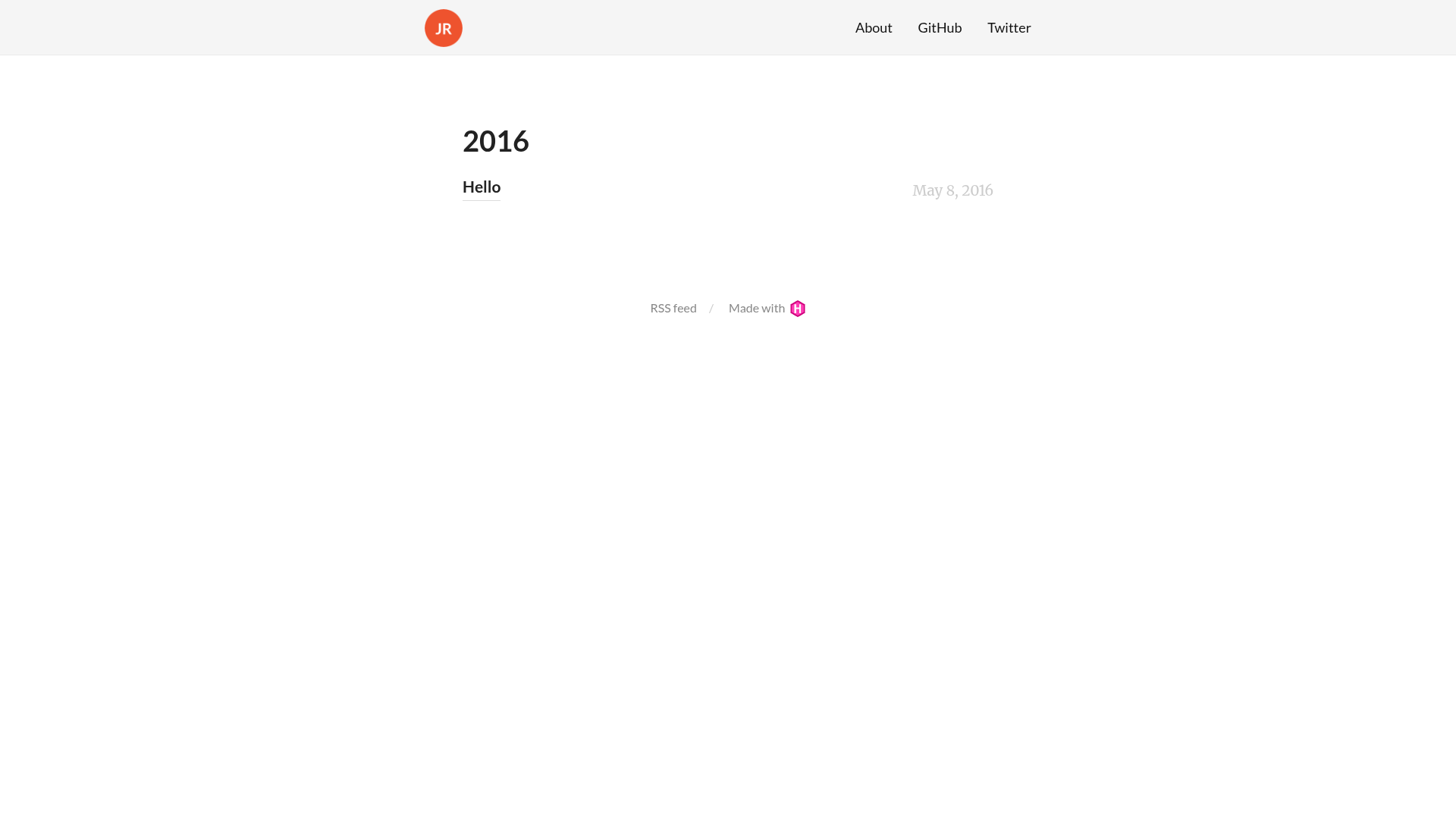
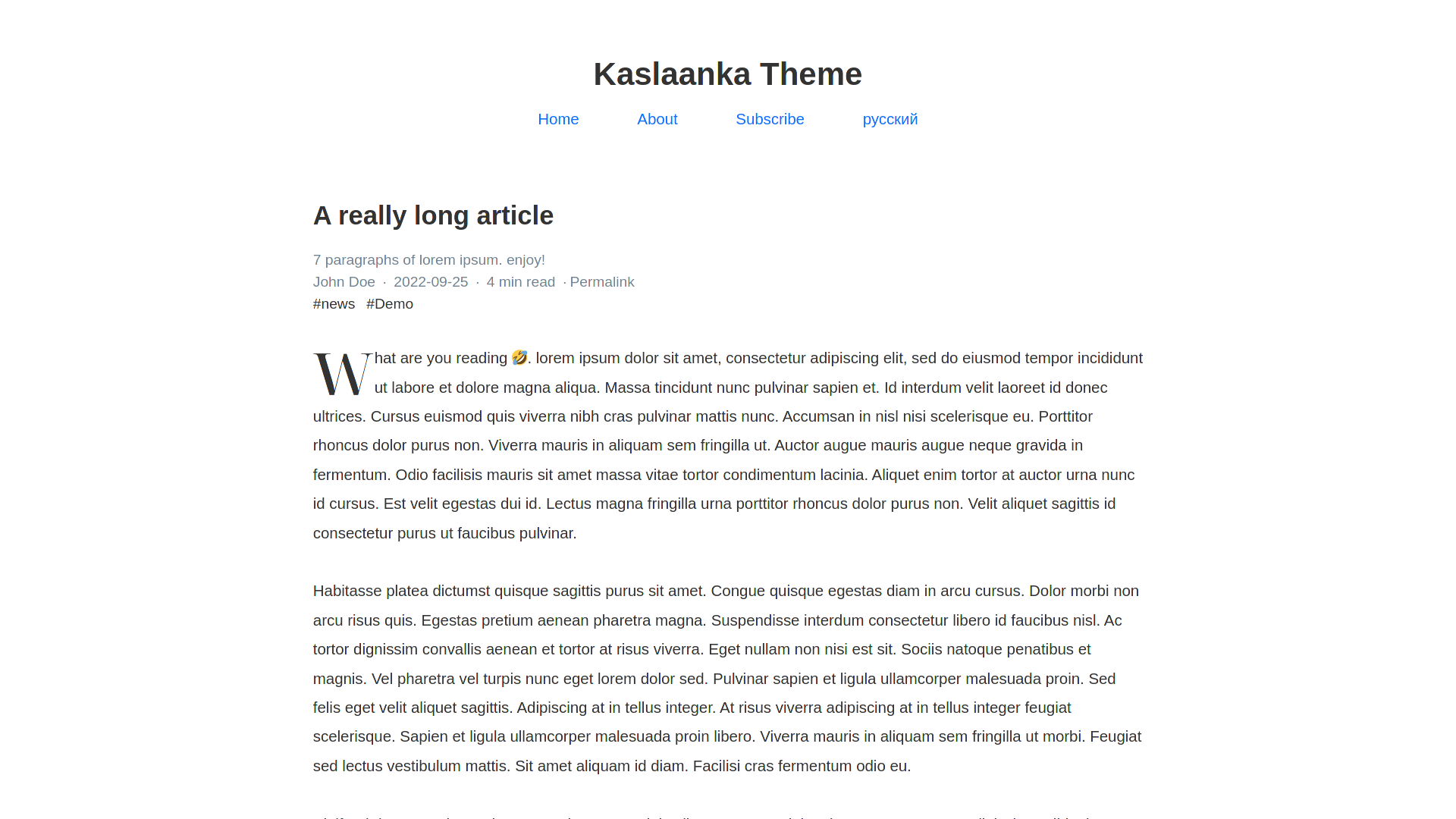
Yes. The theme uses a responsive design that adjusts the layout to fit mobile, tablet, and desktop screens without requiring a separate mobile theme or plugin. The repository's own description labels it a "simple responsive Hugo theme," and the screenshot shows a single-column reading layout that scales with viewport width.
What is the difference between Hugo Lithium and other Hugo themes?
Hugo Lithium is deliberately minimal compared to feature-rich Hugo themes. It includes only the essential blog components: posts, pages, Disqus comments, and Google Analytics. It omits landing page sections, portfolio grids, dashboard views, and other extras, which keeps the generated site lightweight and fast for text-focused publishing.