Newsletter
Join the Community
Subscribe to our newsletter for the latest news and updates

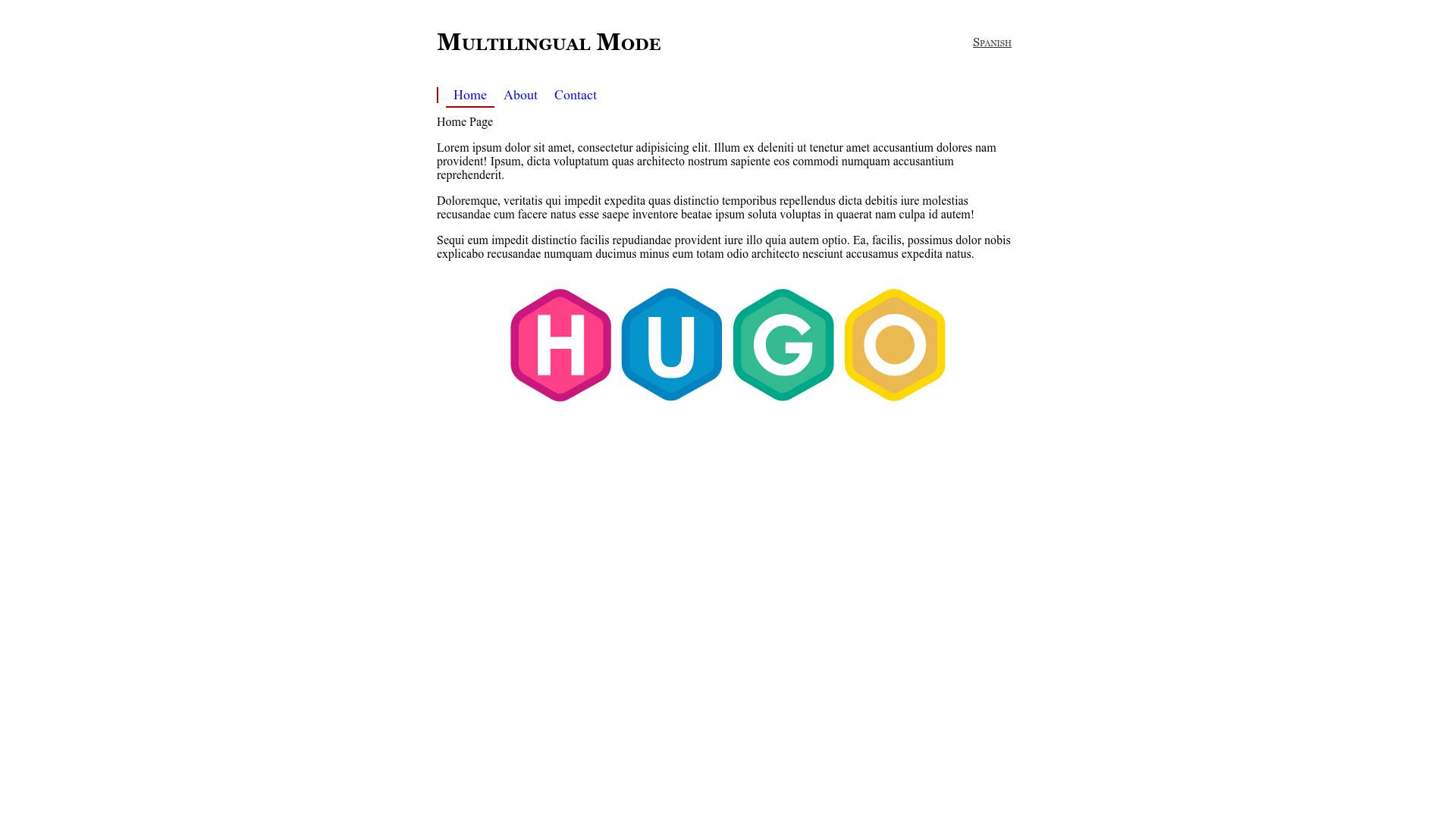
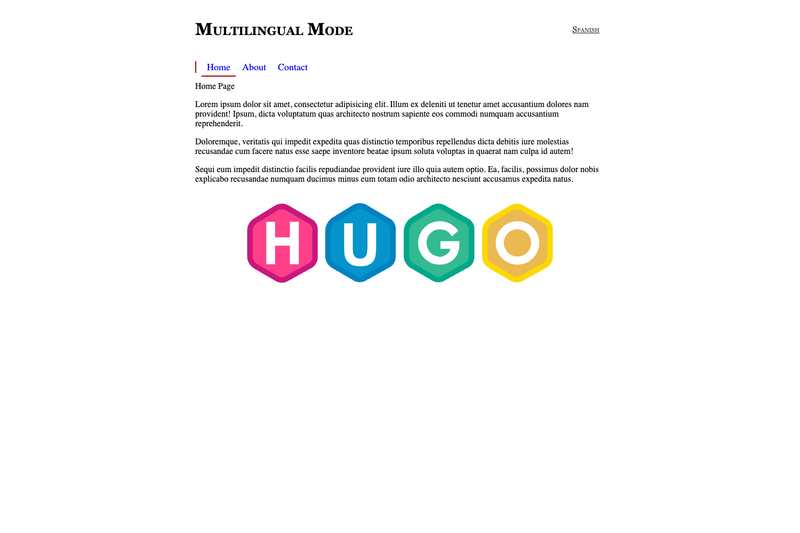
Hugo multilingual boilerplate to demonstrate internationalization (i18n) and multilingualization (m17n)

Landing page template based on Nextjs and TailwindCss

A Nuxt 3 static-site template that auto-generates a compliant placeholder website (with scraped content) for China's ICP filing review.
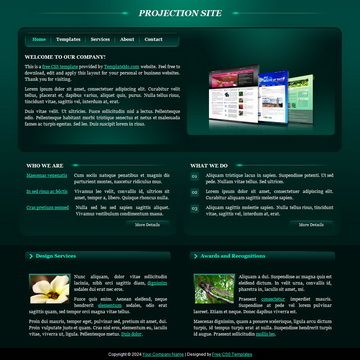
Free two-column HTML/CSS template with dark green gradient colors, standards-compliant layout.
Create a new project with Next.js, TypeScript, Eslint, Prettier in just 1 second and you don't need to setup anything.
Hugo Multilingual Boilerplate is an open-source Hugo boilerplate that demonstrates how to build static websites with internationalization (i18n) and multilingualization (m17n) support. It is maintained by sibiraj-s on GitHub and is meant to be cloned and adapted into your own multilingual Hugo project rather than deployed as a finished site.
Hugo Multilingual Boilerplate is a starter project for the Hugo static site generator, focused on showing how to structure content and templates so a site can be served in multiple languages. It takes a Hugo project skeleton with sample content and configuration and produces a fully compiled static website through Hugo's build pipeline. The template runs on Hugo, an open-source static site generator written in Go, and targets Hugo version v0.114.x, with the extended edition of Hugo required.
hugo server starts a local preview on port 1313 by default and reloads changes on the fly while you develop.hugo --minify --cleanDestinationDir produces a production-ready output with minified assets and a cleaned output directory.hugo server and browse the site at http://localhost:1313, with changes reflected instantly through LiveReload.hugo --minify --cleanDestinationDir to generate minified static files ready to deploy to any static host.The boilerplate is a GitHub repository that you clone with git, then run through Hugo's standard commands. After cloning, hugo server starts a local development server with live reload at port 1313 (or a random port if that one is taken). Building the site for production is a single command: hugo --minify --cleanDestinationDir, which outputs minified static files.
Yes. The boilerplate is an open-source project published on GitHub, and Hugo itself is an open-source static site generator released under an open source license.
Yes. The project lists the extended version of Hugo as a requirement, and recommends version v0.114.x for the best match with the boilerplate's configuration.
Internationalization (i18n) refers to localizing the interface text and UI strings, while multilingualization (m17n) refers to offering the actual content in multiple languages. This boilerplate demonstrates both patterns so you can see how they fit together.
No. It is a boilerplate, not a finished website. It provides the structure and demonstration needed to build your own multilingual Hugo site.
Clone the repository, change into the directory, and run hugo server. The site will be available at http://localhost:1313 by default, and Hugo will pick a random port if 1313 is already in use.