Newsletter
Join the Community
Subscribe to our newsletter for the latest news and updates

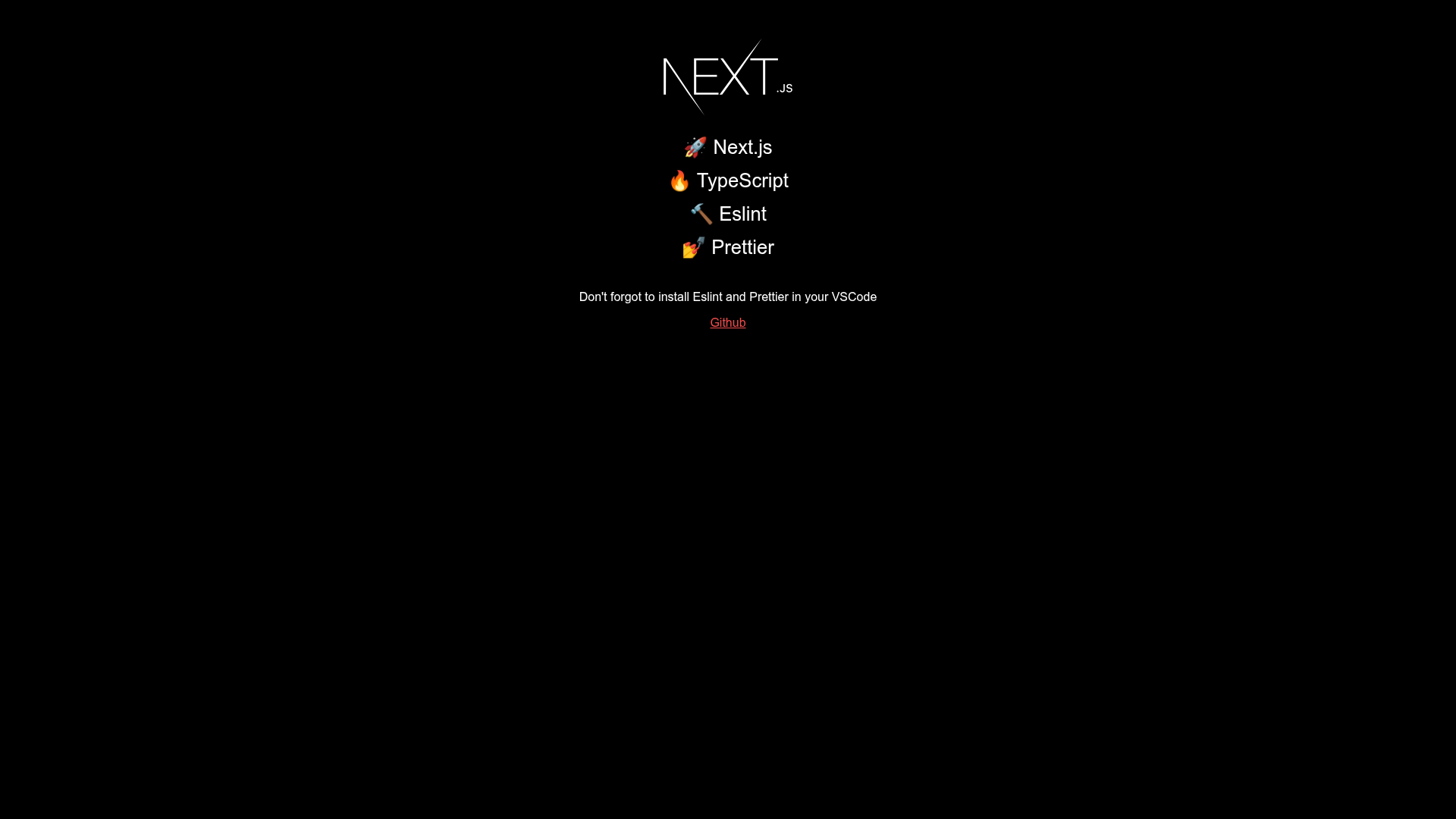
Create a new project with Next.js, TypeScript, Eslint, Prettier in just 1 second and you don't need to setup anything.

A Nuxt 3 static-site template that auto-generates a compliant placeholder website (with scraped content) for China's ICP filing review.
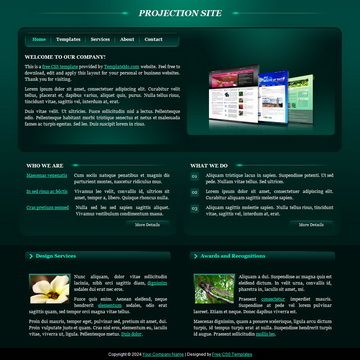
Free two-column HTML/CSS template with dark green gradient colors, standards-compliant layout.

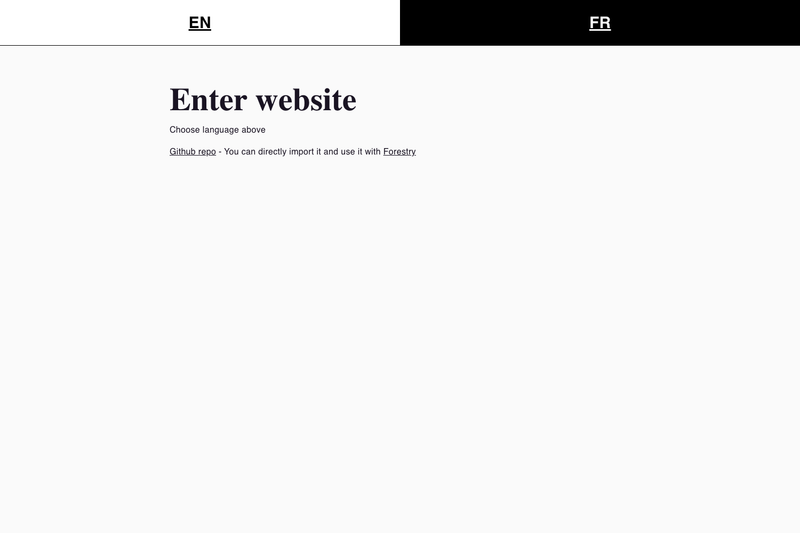
Hugo multilingual boilerplate to demonstrate internationalization (i18n) and multilingualization (m17n)
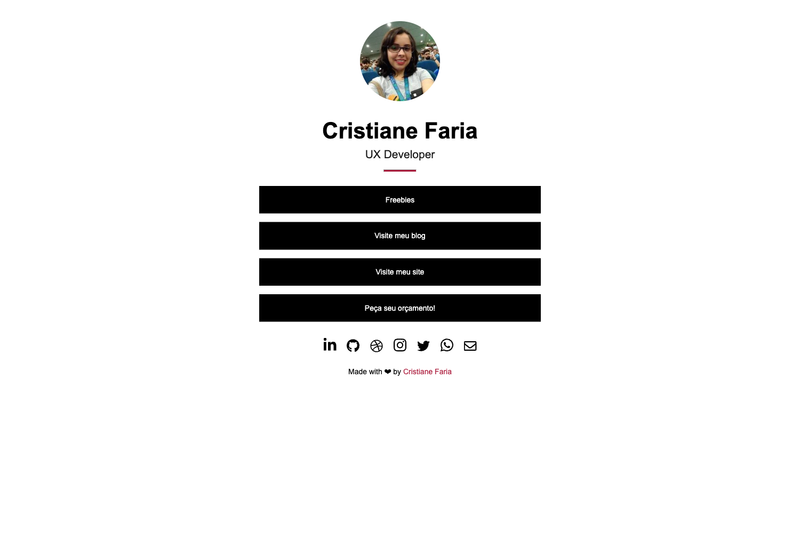
A digital business card template built with HTML5 and CSS3, reusable for any business or personal brand.
Next.js + TypeScript + ESLint + Prettier Template is a GitHub boilerplate that scaffolds a new Next.js project with TypeScript, ESLint, and Prettier pre-configured, removing the need for manual setup. It is maintained by igdev116 and published as a public repository under the topics eslint, nextjs, prettier, react, template, and typescript.
The template is a starting point for building Next.js applications with a development environment already configured. It takes a fresh clone of the repository and yields a runnable Next.js project with TypeScript for type checking, ESLint for linting, and Prettier for code formatting. The project runs on Node.js using yarn as the package manager, and it includes a live Vercel deployment at https://next-ts-eslint-prettier-tau.vercel.app for previewing the default output.
Developers want to start a new Next.js project with TypeScript and code-quality tooling already in place. It is especially useful for:
The README outlines a four-step workflow: clone the repository with git clone https://github.com/igdev116/next-ts-eslint-prettier.git, install dependencies with yarn install, start the development server with yarn dev, and if you plan to use your own Git history, delete the existing .git folder using rm -rf .git.
The repository is public on GitHub, and no license or price is mentioned in the README. You can clone it and use it as the basis for your own projects without any stated cost.
The setup instructions exclusively use yarn commands (yarn install and yarn dev). If you prefer npm, you would need to adapt the commands yourself.
Yes, Next.js is a React framework, and the repository's topics include react. The template inherits React's component model and ecosystem.
No, TypeScript is baked into the project configuration from the start. The template's purpose is to provide a TypeScript setup, so removing it would require reconfiguring the project manually.