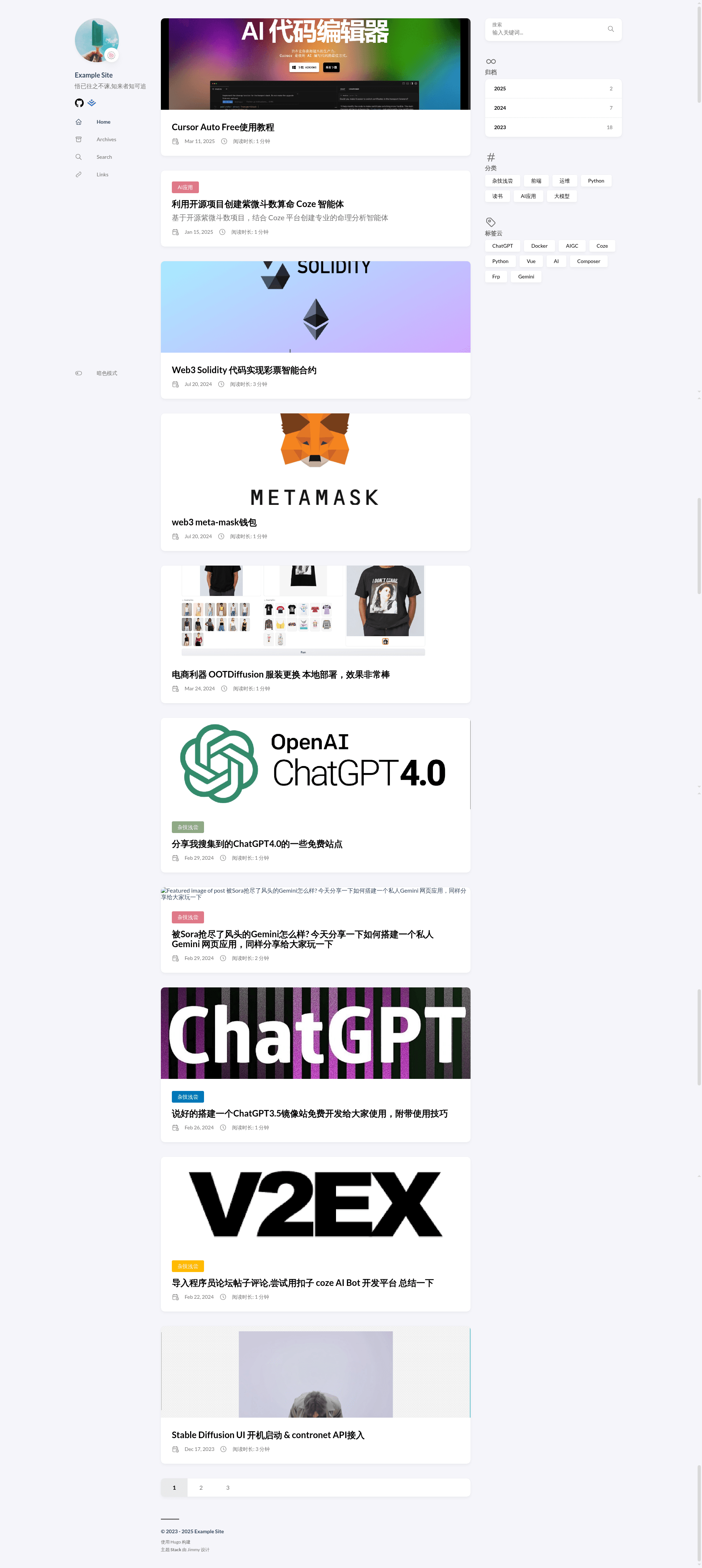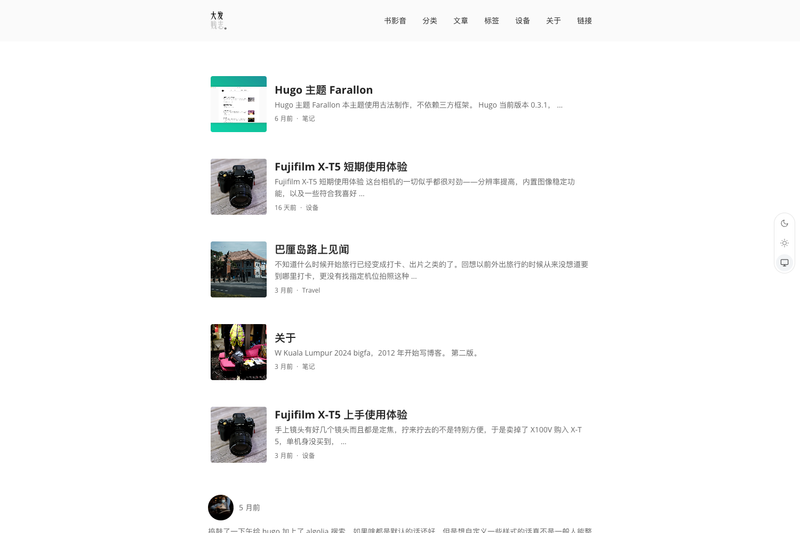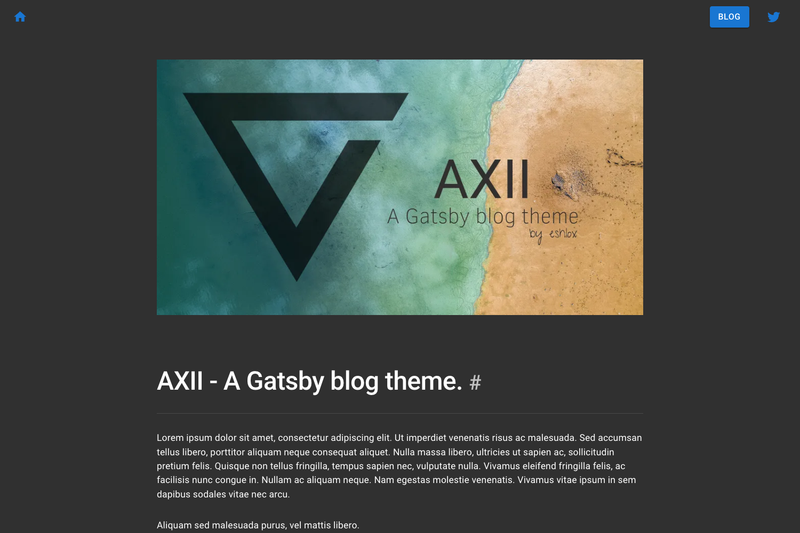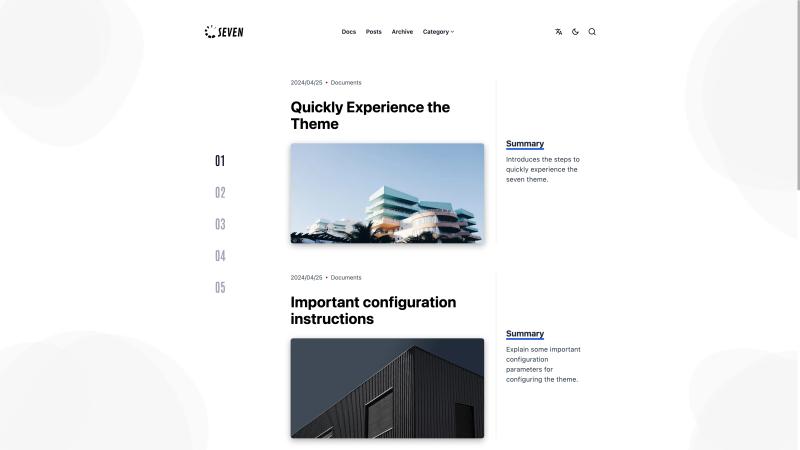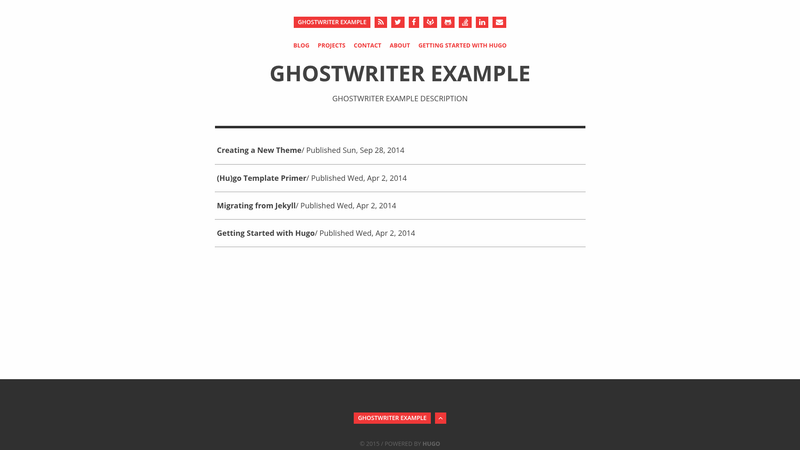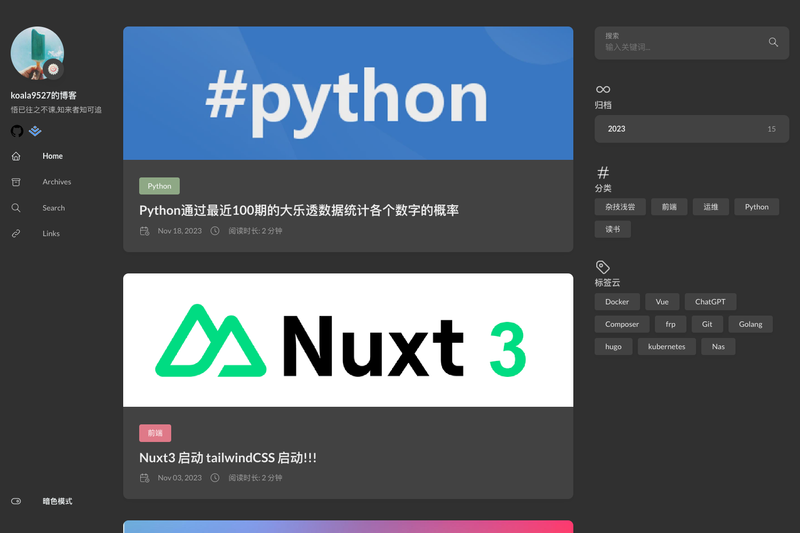
This Hugo blog template, built on the hugo-theme-stack theme, lets you create a static personal blog from Markdown files with a few command-line commands and includes a Chinese-language tutorial for setup.
What is this Hugo blog template?
This is a personal blog template that uses the Hugo static site generator and the hugo-theme-stack theme. It takes Markdown content as input and generates a deployable static website. The repository includes a tutorial at blog.tuwei.space that walks through the installation process. The template targets bloggers who prefer a simple, static approach to publishing.
Key Features
- Hugo static site generation — generates a fast, database-free blog from Markdown files.
- hugo-theme-stack — a Hugo theme that provides a modern, responsive blog layout for posts.
- Single-file post creation — run
hugo new post/myfirst.mdto create a new Markdown post. - Post with resources — run
hugo new post/web3-meta-mask/index.mdto create a post with a folder for images and other assets. - Draft preview — use
hugo server -Dto run a local server that shows draft posts. - Setup tutorial — a step-by-step guide is available at blog.tuwei.space, covering installation and configuration.
Who is this blog template for?
- Personal bloggers who want to publish Markdown posts to a static site without managing a content management system.
- Hugo beginners who need a working theme plus a tutorial to get started quickly.
- Developers who want to create posts that bundle resources, such as screenshots or code samples, using the index.md folder pattern.
What can you do with this template?
- Static website owners: generate a fast, secure blog with no server-side database.
- Technical writers: create posts with associated assets by using the folder-based post structure.
- Students and learners: follow the tutorial at blog.tuwei.space to learn how to set up and deploy a Hugo site.
How does this template work?
- Install Hugo and clone the template repository.
- Create a new post with
hugo new post/myfirst.md. - For a post with accompanying resources, create a folder and an
index.mdinside it, likepost/web3-meta-mask/index.md. - Preview the site locally with
hugo server -D, which includes draft posts.