Newsletter
Join the Community
Subscribe to our newsletter for the latest news and updates

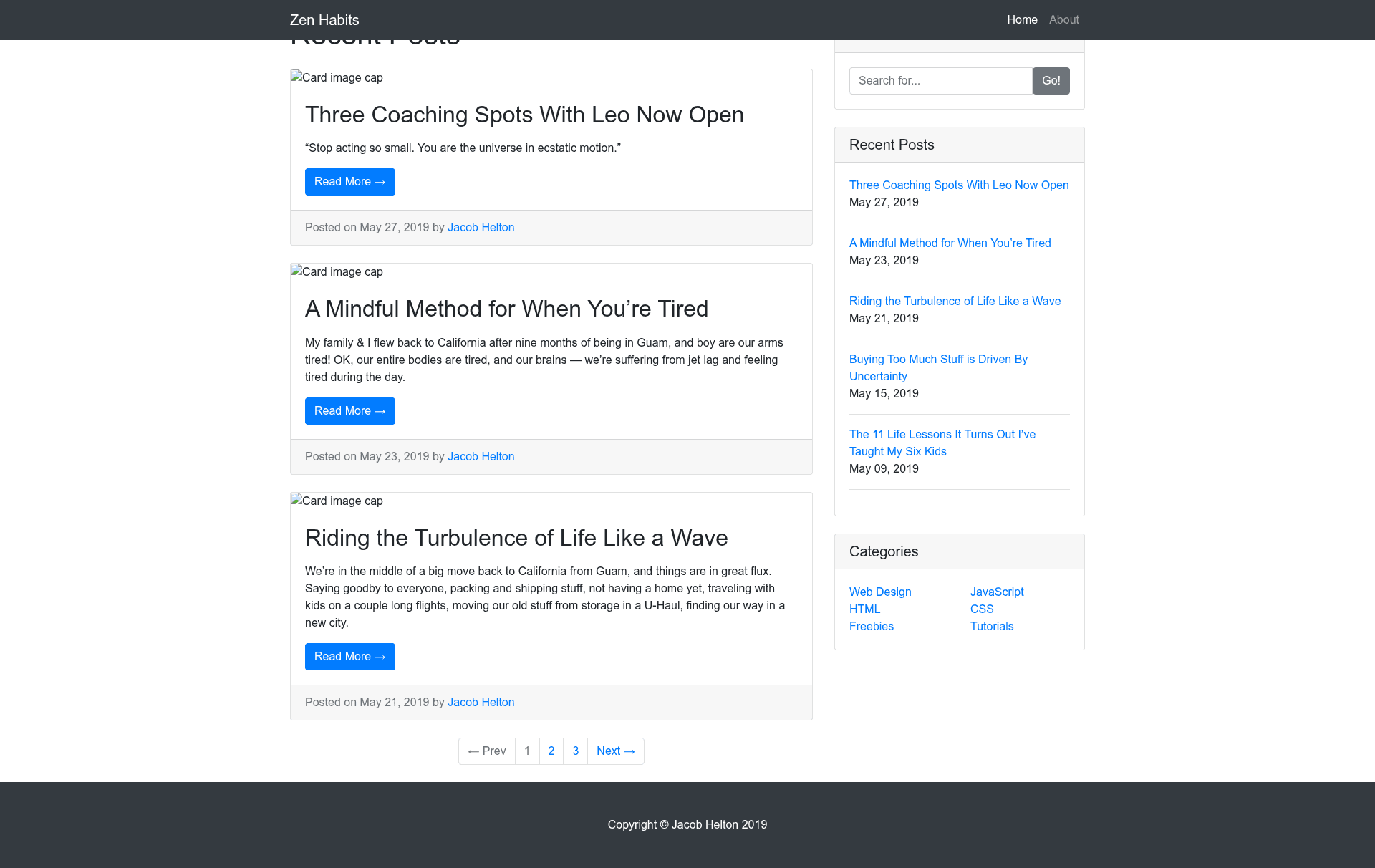
Final build of the Jekyll blog that will be featured in Maxx-Undiscovered Tutorial
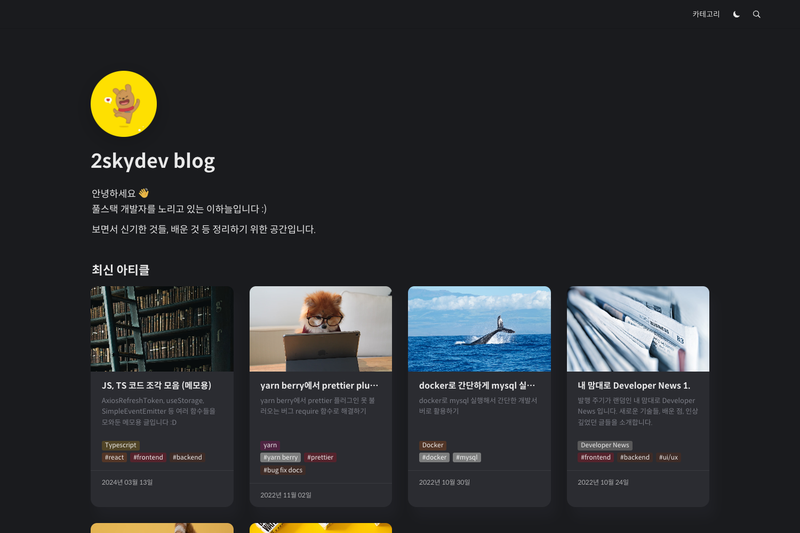
Notion + Next.js blog starter kit that generates a static ISR blog from a Notion page, with dark mode, comments, and more.
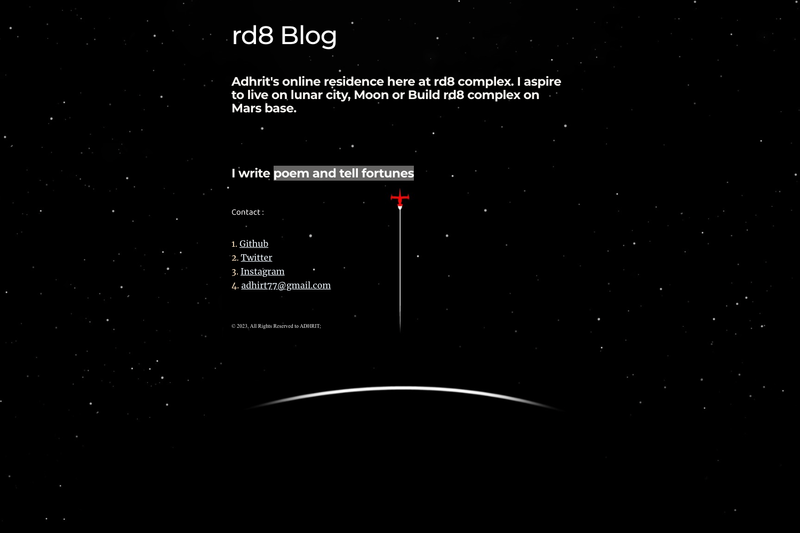
An anime-themed Gatsby.js blog template with TypeScript, deployable to Netlify.
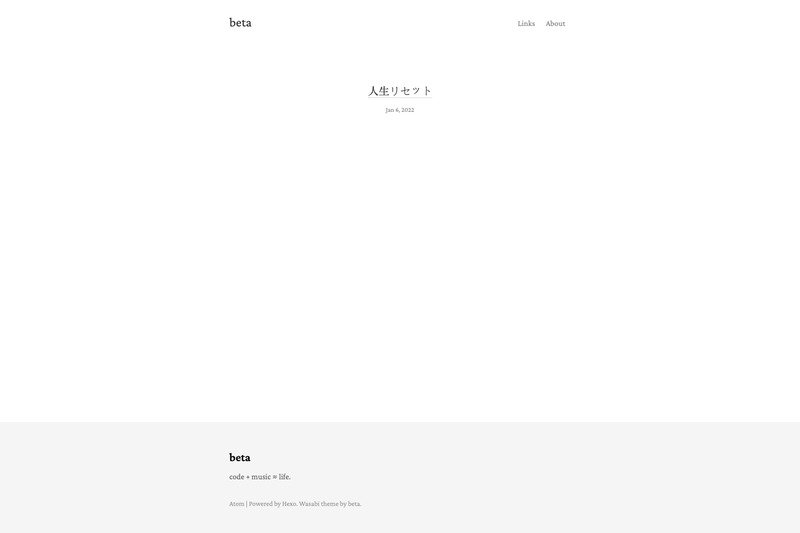
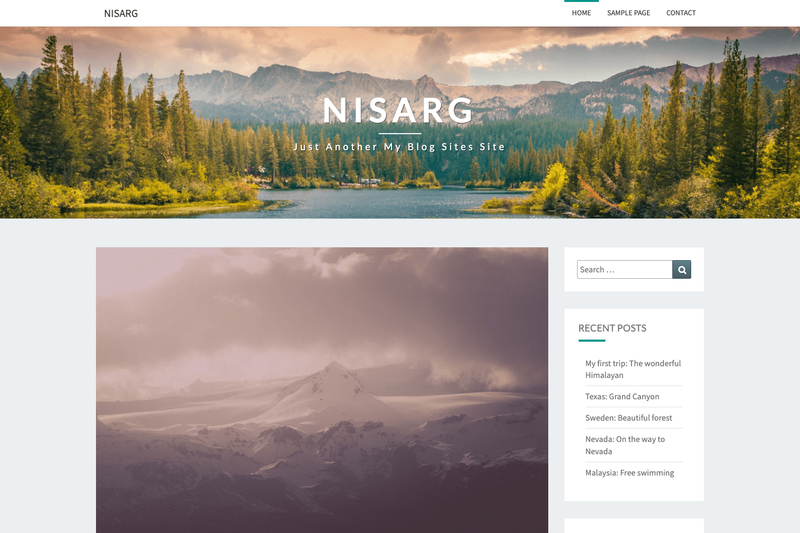
A simple and minimal Hexo theme built with Pug, featuring Disqus integration and a clean blog layout.
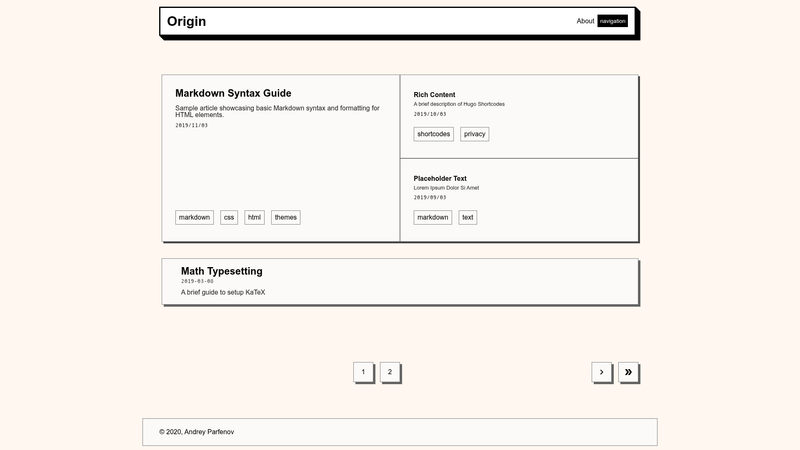
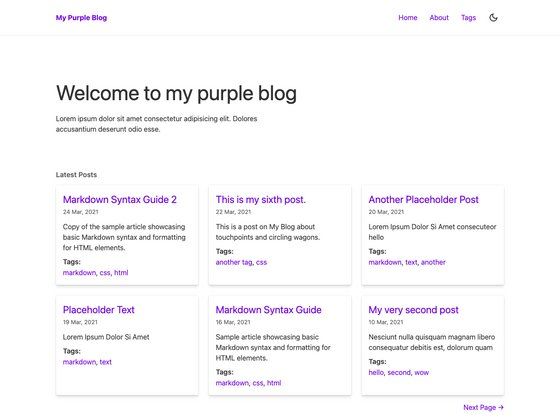
A simple Hugo theme for blogging with a homepage grid, optional featured posts, and CSS-only mode.
Jekyll-Blog-Undiscovered is a Jekyll blog template, built as the final build for the Maxx-Undiscovered tutorial, that demonstrates how to assemble a static blog using Liquid templating, Bootstrap-based layouts, and copyright-free sample content.
Jekyll-Blog-Undiscovered is a completed Jekyll blog project that simplifies the website building process by leveraging Jekyll's built-in Liquid Syntax for templating. It takes Markdown or HTML content and produces a static blog website through Jekyll's build process. The layout is based on startbootstrap.com's Blog Home and Blog Post templates, which are HTML/CSS templates. The sample content comes from Leo Babauta's zenhabits.net blog, which is copyright-free, allowing free reproduction and modification.
The template works by combining Jekyll's standard build process with Bootstrap-based layouts. Content files are placed in Jekyll's designated folders, and Liquid tags pull them into the proper layout for rendering. New posts are added by uploading a new file with the correct front matter and naming convention.
The repository is named Jekyll-Blog-Undiscovered, and it's described as the final build for the Maxx-Undiscovered tutorial. You can find it on platforms like GitHub by searching for the repository name.
It uses the Blog Home and Blog Post templates from startbootstrap.com. These are free Bootstrap-based templates that provide a responsive blog layout.
Yes, the sample content is borrowed from zenhabits.net and is described as copyright-free, so you can reproduce, repost, and modify it as you choose.
No, Jekyll is a static site generator, so the output is plain HTML, CSS, and JavaScript. There is no database or server-side processing.
According to the repository metadata, the topics are bootstrap-template, css3, html5, and jekyll-blog, indicating a Bootstrap-based Jekyll blog with HTML5 and CSS3.