Newsletter
Join the Community
Subscribe to our newsletter for the latest news and updates

Jekyll starter styled with Tailwind CSS

A full-stack web application built with Next.js 13, Supabase, and Prisma. Play AI-generated trivias about art, entertainment, geography, history, and science.
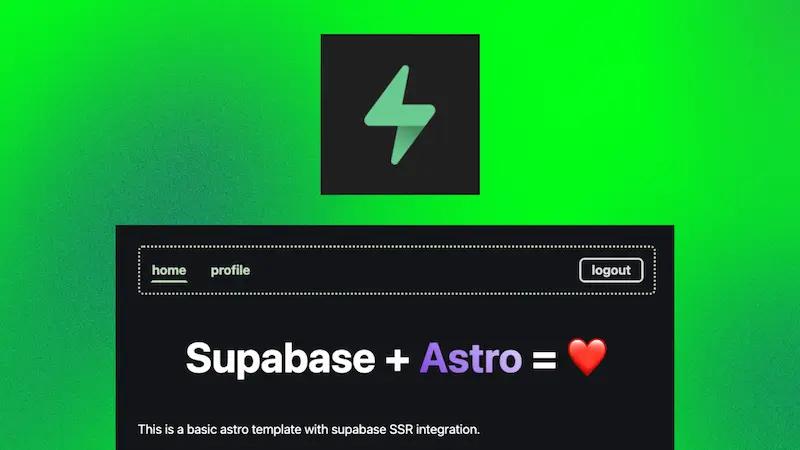
Minimal Astro starter with Supabase authentication, server-side protected routes, and client-to-server token flow.
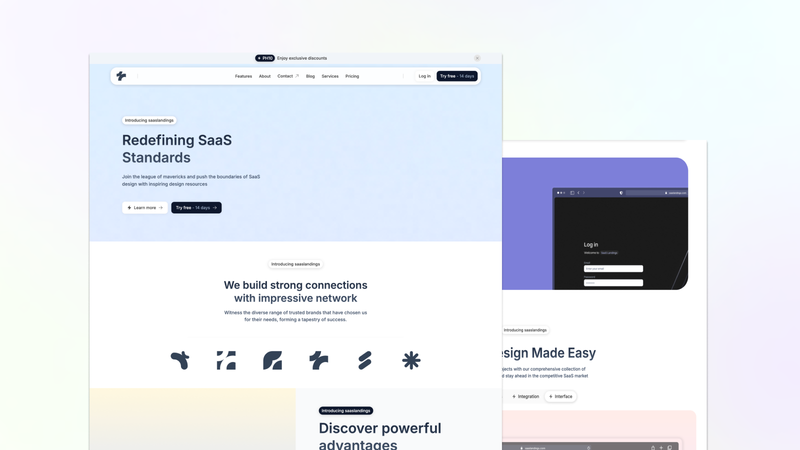
Open-source Astro starter theme with Tailwind CSS v4 and modular marketing sections for fast landing pages.

A simple landing page built with 11ty and Tailwind CSS.
Jekyll Starter Tailwind is a free, open-source boilerplate that pairs the Jekyll static site generator with the Tailwind CSS utility framework via a Gulp-based build pipeline, giving you a barebones Jekyll theme plus automated CSS purging, minification, and live reload.
Jekyll Starter Tailwind is a starter kit that combines Jekyll and Tailwind CSS with a Gulp orchestration layer. The repository contains a barebones Jekyll theme and a Gulpfile that compiles Tailwind, strips unused CSS with Tailwind's purge option, runs Autoprefixer, minifies CSS, compiles Jekyll, and starts Browsersync for local development. The project is hosted at github.com/taylorbryant/jekyll-starter-tailwind and is licensed under the MIT license.
purge option, runs Autoprefixer, minifies CSS, compiles Jekyll, and launches Browsersync.purge option removes unused styles to reduce production CSS file size.npm run start or npm run dev compiles the site and serves it with Browsersync, providing live reload during development.netlify.toml that overrides Netlify's default jekyll build with npm run build, plus a one-click Deploy to Netlify link in the README.npm run build:dev for development and npm run build / npm run build:production for production output.netlify.toml makes deployment straightforward.npm run commands.After cloning the repository, run bundle install to install required Ruby gems and npm ci to install npm packages. Then npm run start or npm run dev compiles the site with development settings and runs Browsersync. For deployment, npm run build compiles the site for production, producing a static _site directory that can be hosted on any web server or static host.
The starter requires Bundler, Jekyll, Node.js, npm, and Ruby. After cloning, run bundle install for gems and npm ci for npm packages.
Run npm run build:production or npm run build. The Gulpfile performs Tailwind purging, Autoprefixer, and CSS minification, then compiles Jekyll to a static site.
Use the one-click Deploy to Netlify button in the README. The included netlify.toml overrides the default jekyll build command with npm run build, so Netlify runs the full Gulp pipeline.
Yes, the project is open source under the MIT license. You can use, modify, and redistribute it for personal or commercial projects.