Newsletter
Join the Community
Subscribe to our newsletter for the latest news and updates

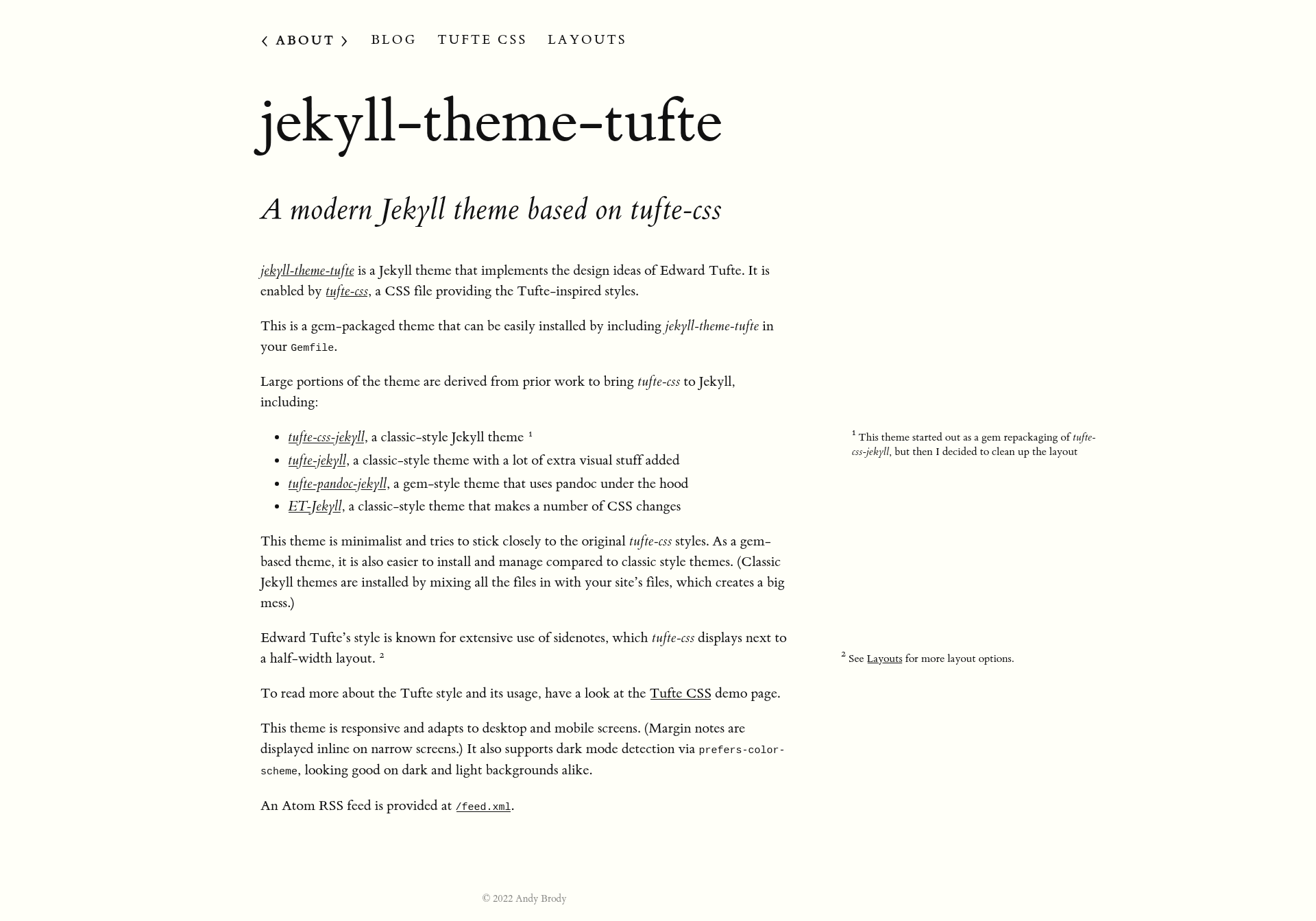
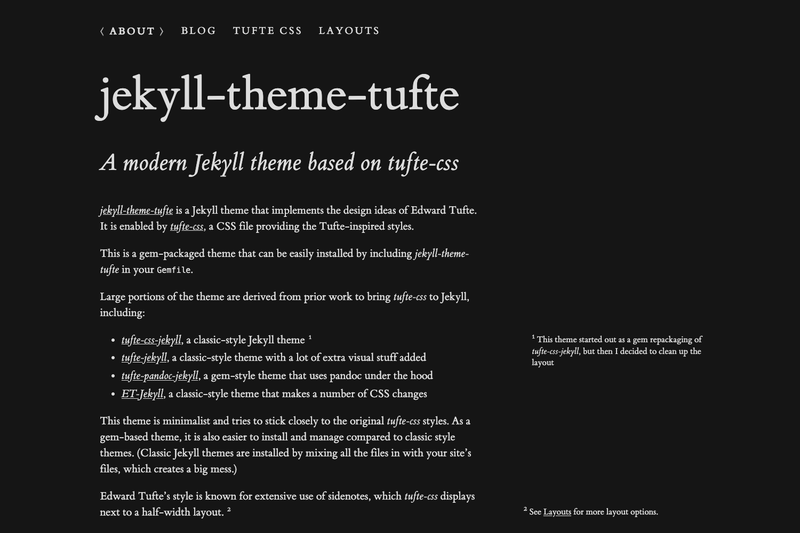
A minimalist Jekyll theme inspired by Edward Tufte's design, based on tufte-css, with margin notes and dark mode.
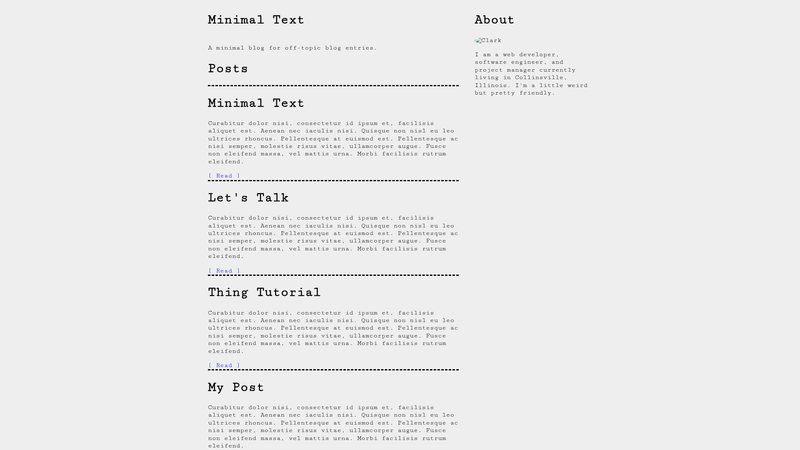
Clean and lightweight Jekyll theme for text-focused blogs, with configurable baseurl and pagination.
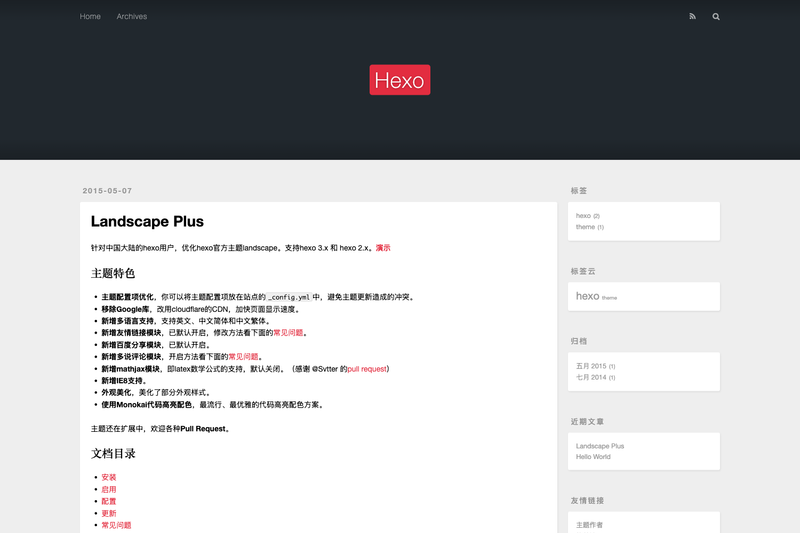
A Hexo blog theme based on the official landscape theme, optimized for mainland China with multilingual support, Baidu share, MathJax, and more.
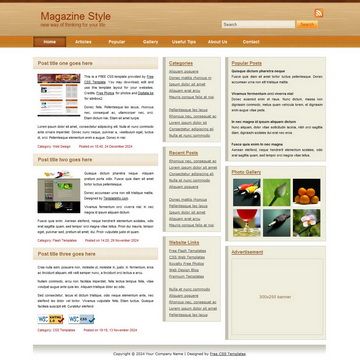
Magazine style website design, wooden color, 3-column HTML CSS template, free to download and edit.
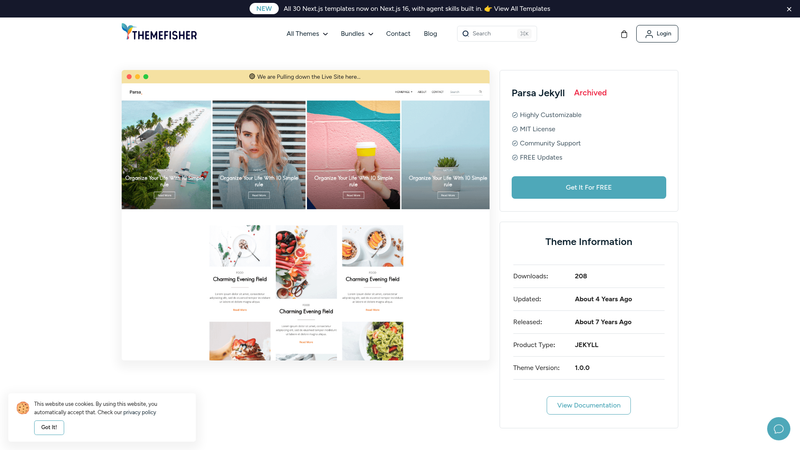
Parsa is a free Jekyll blog theme from Themefisher, ideal for personal blogs and portfolio websites, with YAML-based customization.
Jekyll Theme Tufte is a gem-packaged Jekyll static-site theme that brings Edward Tufte's signature text design — wide margins, margin notes, and a clean serif layout — to Jekyll blogs and documentation sites via tufte-css.
Jekyll Theme Tufte is a minimalist Jekyll theme inspired by Edward Tufte's book design, built on tufte-css. It is distributed as a Ruby gem and installed by adding it to a site's Gemfile. The theme takes a standard Jekyll site (Markdown/HTML posts and pages) and renders it with Tufte-style typography, including side-bar margin notes that display inline on narrow screens.
The theme is created and maintained on GitHub at https://github.com/ab/jekyll-theme-tufte, and a live demo is available at https://ab.github.io/jekyll-theme-tufte/.
{% marginnote %} let you place margin notes in posts; these must be enabled by adding the theme to the plugins list in _config.yml.prefers-color-scheme CSS media query, so the theme looks good on both dark and light backgrounds.header to false in _config.yml._config.yml and front matter, or fork the theme and edit the gemspec regex to add custom directories.Like any Jekyll theme, you add gem 'jekyll-theme-tufte' to your Gemfile, set theme: jekyll-theme-tufte and add the plugin to _config.yml, then run bundle. Content is written as normal Jekyll Markdown/HTML files, and the theme's Liquid tags handle margin notes. For development, clone the repo, run bundle install, then bundle exec jekyll serve -w to test changes locally.
Jekyll Theme Tufte is free and open source, released under the MIT License.
Yes, the theme is open source under the MIT License, so you can use, modify, and redistribute it freely. There are no paid tiers or premium features.
Add gem 'jekyll-theme-tufte' to your Gemfile, set theme: jekyll-theme-tufte and add - jekyll-theme-tufte to your plugins list in _config.yml, then run bundle. The plugins entry is required to use the custom Liquid tags like {% marginnote %}.
Yes. It uses the prefers-color-scheme media query to detect the user's system preference and renders a dark version accordingly. Margin notes and other elements adapt to both backgrounds.
Gem-based themes like this one are installed as a Ruby gem and don't mix their files into your site's directory, making updates easier. Classic themes require copying theme files directly into your site, which can create a mess.